Coloring Faces
Coloring Faces: Your Ultimate Guide to Realistic Skin Tones
Welcome, fellow artist! Have you ever struggled to bring a portrait to life, feeling like your finished face looks flat or muddy? You're not alone. Mastering the art of Coloring Faces is often considered the pinnacle of portraiture, requiring a blend of observation, technique, and patience.
This guide is designed to take the mystery out of rendering beautiful, realistic skin tones, whether you use traditional pencils, paint, or digital software. We will walk through the essential techniques, tool selection, and crucial color theory needed to make your faces glow with life.
Get ready to elevate your artwork, because understanding how light interacts with the human complexion will fundamentally change the way you approach painting and drawing faces.
Why Mastering Coloring Faces is Crucial for Artists
The face is the focal point of nearly every portrait. It carries the emotion, the story, and the personality of your subject. If the coloring is off, the viewer's eye will immediately notice, regardless of how well you've drawn the features.
Successful Coloring Faces isn't just about picking a beige or brown color; it's about capturing the complexity of human skin. Skin is translucent, reflecting and absorbing light in fascinating ways, which is why it often contains subtle hints of blues, reds, and yellows.
By mastering these techniques, you move beyond merely drawing a face to truly capturing a living, breathing person on your canvas.
The Psychology of Color in Portraiture
Color is a powerful tool for conveying mood. The warmth or coolness of the skin tones you choose can instantly communicate the subject's environment or emotional state.
Warm tones (reds, oranges, yellows) often suggest vitality, health, or passion, but can also convey heat or anger. Cooler tones (blues, greens, purples) might imply calm, sadness, or a cool environment.
When you start Coloring Faces, consider the overall narrative. Are you trying to paint a person basking in golden hour sunlight, or someone sitting in a dimly lit, blue-hued room?
Essential Tools and Mediums for Coloring Faces
The tools you use will heavily influence your approach to skin tones. While the principles of layering and light remain the same, execution differs greatly between mediums.
For realistic results, regardless of your medium, layering and blending are paramount. You can rarely achieve a believable skin tone in a single pass.
Here are some popular options often used when Coloring Faces:
- Oil Paints: Offer long working times, allowing for excellent blending and subtle color transitions. They are ideal for high realism.
- Acrylic Paints: Dry quickly, requiring faster blending, but their opacity allows for easy correction and vibrant color stacking.
- Colored Pencils: Excellent for texture and fine detail. Look for wax-based or oil-based pencils that layer smoothly without creating a waxy build-up (bloom).
- Digital Software (Procreate, Photoshop): Provides limitless customization of brushes and colors, offering unparalleled control over blending and color mixing.
Choosing the Right Color Palette
Forget the single "flesh" color tube! Realistic skin tones are built from a surprising array of colors. The key is to start with a base color and then modify it with subtle hints of secondary colors.
Many professional portrait artists use a limited palette that still allows for incredible versatility. You need colors that mimic the undertones found in blood flow, fat, and bone structure.
A good starting palette should include these core colors:
- Titanium White (for highlights and tinting)
- Burnt Sienna or Raw Umber (for shadows and mid-tones)
- Cadmium Yellow or Ochre (for warmer areas)
- Alizarin Crimson or Cadmium Red (for blushing and blood flow areas)
- Ultramarine Blue or Deep Green (used sparingly for deep shadows or cool reflected light)
Step-by-Step Techniques for Realistic Coloring Faces
Regardless of your chosen medium, the process of building up skin color is similar to building an onion—in layers. Each layer adds depth and subtlety, preventing the final result from looking flat.
Starting with the Base Tone
The base tone is your foundation. This color should represent the overall lightness or darkness of the skin under ambient light, before shadows and extreme highlights are added.
For beginners Coloring Faces, it is better to start slightly lighter than you think necessary. It is always easier to darken skin tones than to lighten them later without erasing valuable detail.
Mix your mid-tone color—often a combination of white, yellow ochre, and a touch of red—and apply it evenly across the entire face area, excluding the very brightest highlights you may have reserved.
Layering for Depth and Texture
Once the base layer is dry or set, you can begin introducing localized colors. This is where you bring in those subtle reds and blues that make skin look alive.
Remember the areas where blood vessels are close to the surface—like the cheeks, nose, and ears—will need warmer, redder tones. Areas around the jawline and under the eyes often receive cooler, subtle bluish-green tones due to thinner skin and slight shadowing.
Follow these steps for effective layering:
- Apply secondary, regional colors (reds, blues, purples) thinly over the base tone.
- Gently blend these regional colors back into the base tone using a clean, soft brush or blender.
- Use opposing colors sparingly (e.g., a tiny touch of green in a red area) to neutralize overly bright spots and deepen shadows naturally.
- Build density slowly. Several thin layers are always better than one thick, opaque layer, especially when aiming for realism.
Adding Highlights and Shadows
Highlights and shadows define form and volume. Before applying them, identify your primary light source. All highlights and shadows must align with this source.
Shadows should never be pure gray or black. To create a realistic shadow when Coloring Faces, mix the local skin tone with a darker, complementary color (e.g., mix a warm mid-tone with dark purple or burnt umber).
Highlights should typically be the lightest color used on the face, often mixed with a touch of the base tone for warmth. Apply the brightest highlights only where the light source directly hits, such as the forehead, tip of the nose, and cheekbones.
Troubleshooting Common Coloring Mistakes
Even experienced artists encounter problems, especially when tackling diverse skin tones. The two most common issues are "muddy" colors and flatness.
Muddy colors usually occur when too many pigments are mixed haphazardly, especially opaque ones, leading to dull, gray results. To avoid this, use transparent layers and keep your mixtures clean and simple.
Flatness happens when there is insufficient contrast between the light and dark areas. If your painting lacks punch, push your shadows darker and your highlights lighter, focusing on the edges where light transitions into shadow.
Always study references! Look at how light behaves in real life, especially the subtle reflected light in the shadows that keeps them from becoming completely black.
Another tip is to step away frequently. Our eyes adjust quickly, and stepping back allows you to see color discrepancies and value shifts you missed while working up close.
Conclusion
Coloring Faces is a rewarding challenge that greatly enhances the realism and emotional impact of your portraits. By moving away from single-color thinking and embracing the complex layering of subtle hues, you unlock the secret to vibrant skin tones.
Remember that practice is key. Keep experimenting with different palettes, paying close attention to light and shadow, and your portraits will soon radiate life. Embrace the journey of learning and enjoy the process of bringing depth and warmth to every face you color!
Frequently Asked Questions (FAQ) about Coloring Faces
- What is the biggest mistake beginners make when coloring faces?
- The biggest mistake is using colors straight from the tube or pan, resulting in flat, artificial tones. Beginners often fail to introduce the necessary complementary colors (like subtle blues or greens) in the shadow areas, which makes the skin look dull.
- How do I avoid making the skin look "muddy" when mixing?
- To avoid muddiness, stick to a limited palette and focus on layering transparently. Avoid mixing too many colors together, especially when blending shadows. If using oil or acrylic, ensure your previous layer is dry before adding new colors, or blend carefully to avoid overmixing.
- Should I use warm or cool colors for highlights when coloring faces?
- This depends entirely on your light source! If the light source is warm (like a sunset or indoor lamp), the highlights will be warm. If the light source is cool (like daylight or moonlight), the highlights should lean cool. However, skin usually retains a warm undertone, so even cool highlights should maintain some warmth.
- Is it easier to color faces digitally or traditionally?
- Digital painting offers undo buttons and instant color modification, making the technical process of blending easier and less wasteful. However, the fundamental understanding of color theory and light remains the same. Traditional mediums provide a unique tactile experience and depth that many artists prefer.
Coloring Faces
Coloring Faces Wallpapers
Collection of coloring faces wallpapers for your desktop and mobile devices.
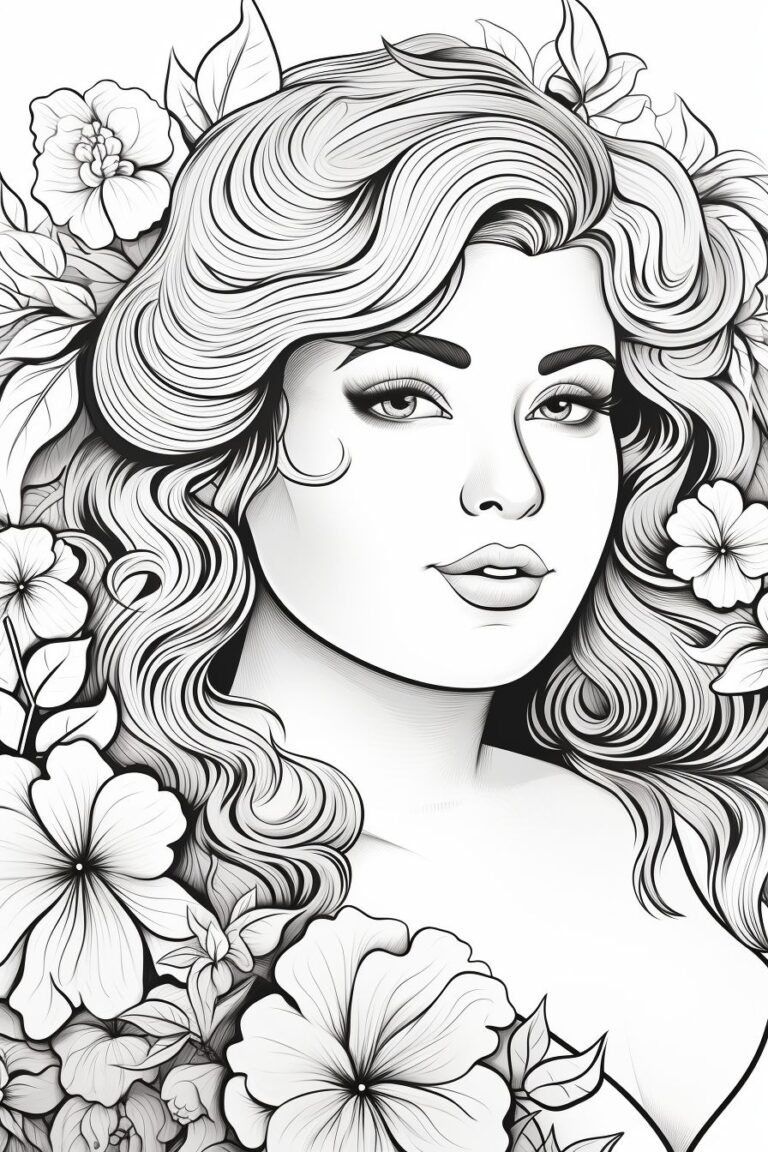
Crisp Coloring Faces Scene Nature
A captivating coloring faces scene that brings tranquility and beauty to any device.

Vibrant Coloring Faces Design for Mobile
Explore this high-quality coloring faces image, perfect for enhancing your desktop or mobile wallpaper.

Lush Coloring Faces Photo Illustration
A captivating coloring faces scene that brings tranquility and beauty to any device.

Exquisite Coloring Faces Background Digital Art
Immerse yourself in the stunning details of this beautiful coloring faces wallpaper, designed for a captivating visual experience.
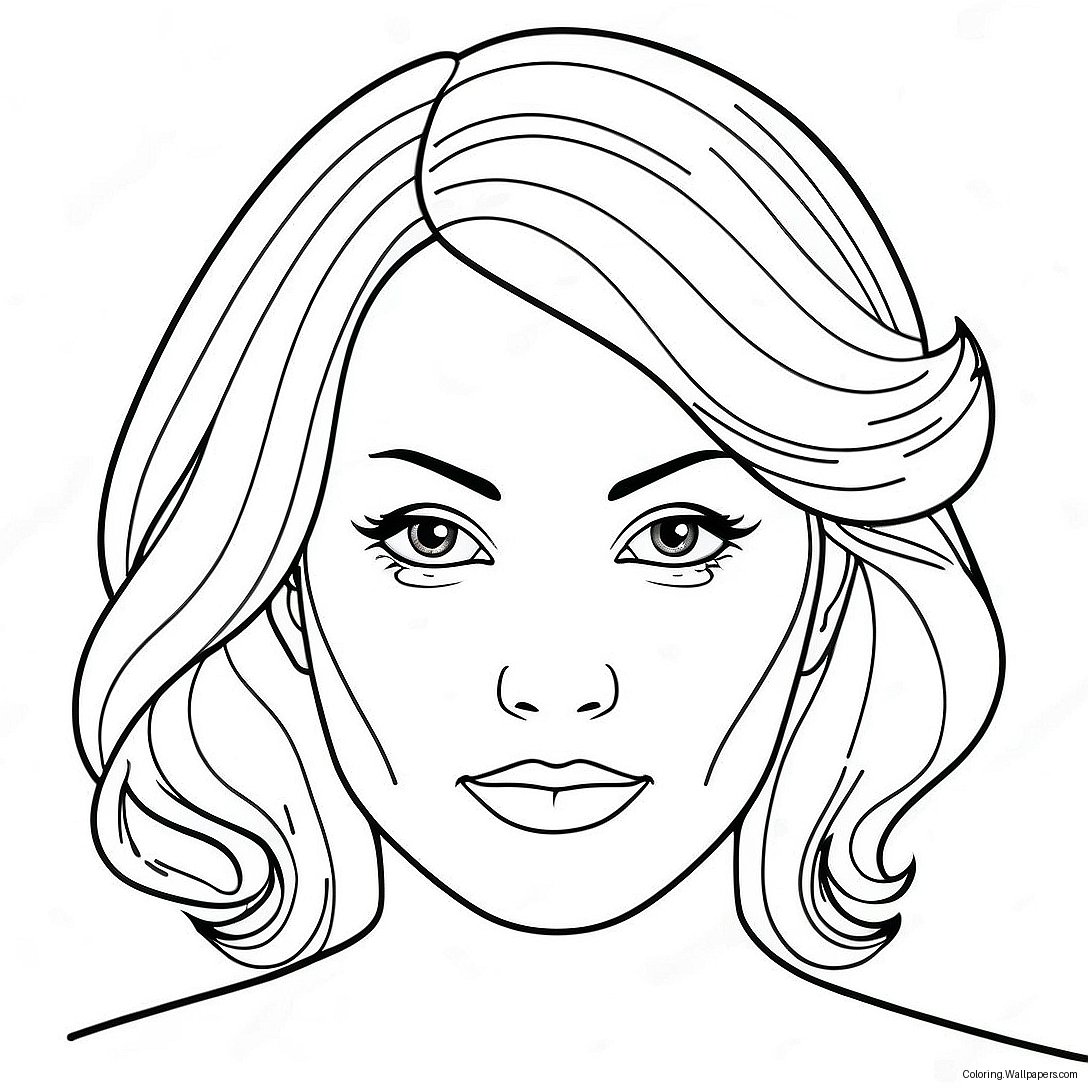
Gorgeous Coloring Faces Design Illustration
This gorgeous coloring faces photo offers a breathtaking view, making it a perfect choice for your next wallpaper.

Mesmerizing Coloring Faces Artwork Illustration
Transform your screen with this vivid coloring faces artwork, a true masterpiece of digital design.

Crisp Coloring Faces View in HD
A captivating coloring faces scene that brings tranquility and beauty to any device.
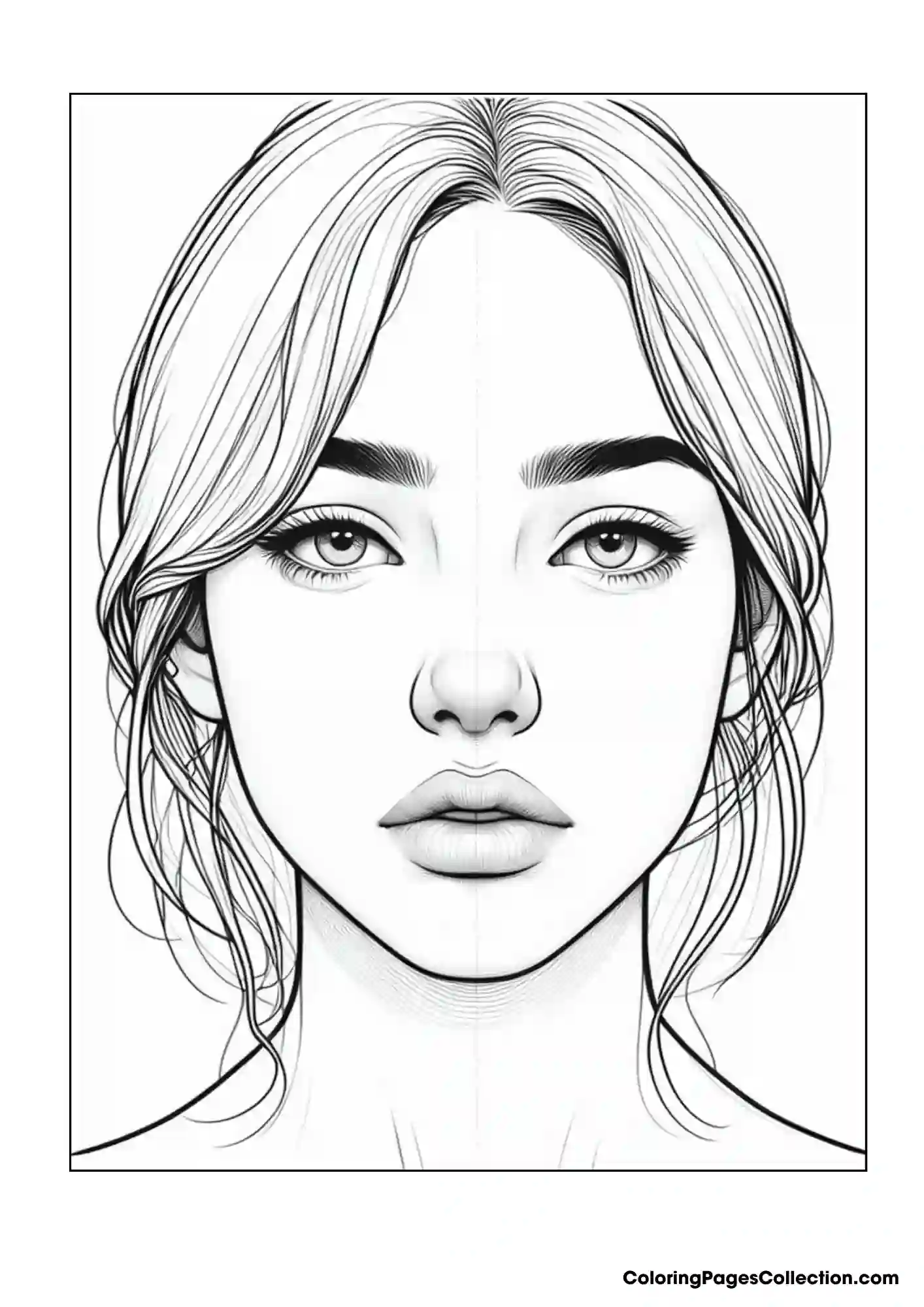
Amazing Coloring Faces Image Collection
Transform your screen with this vivid coloring faces artwork, a true masterpiece of digital design.
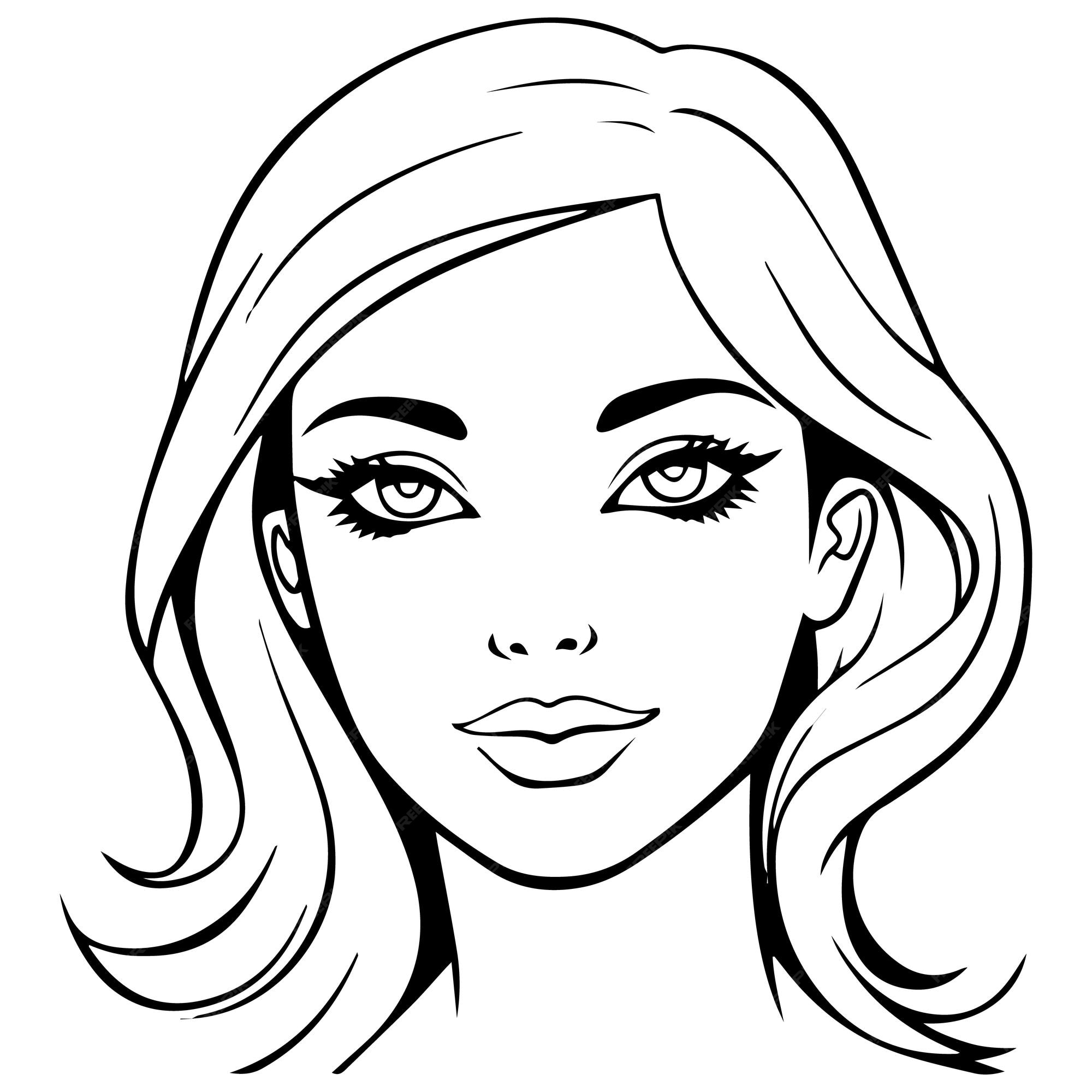
Exquisite Coloring Faces Abstract Collection
Find inspiration with this unique coloring faces illustration, crafted to provide a fresh look for your background.

High-Quality Coloring Faces Design Nature
Discover an amazing coloring faces background image, ideal for personalizing your devices with vibrant colors and intricate designs.
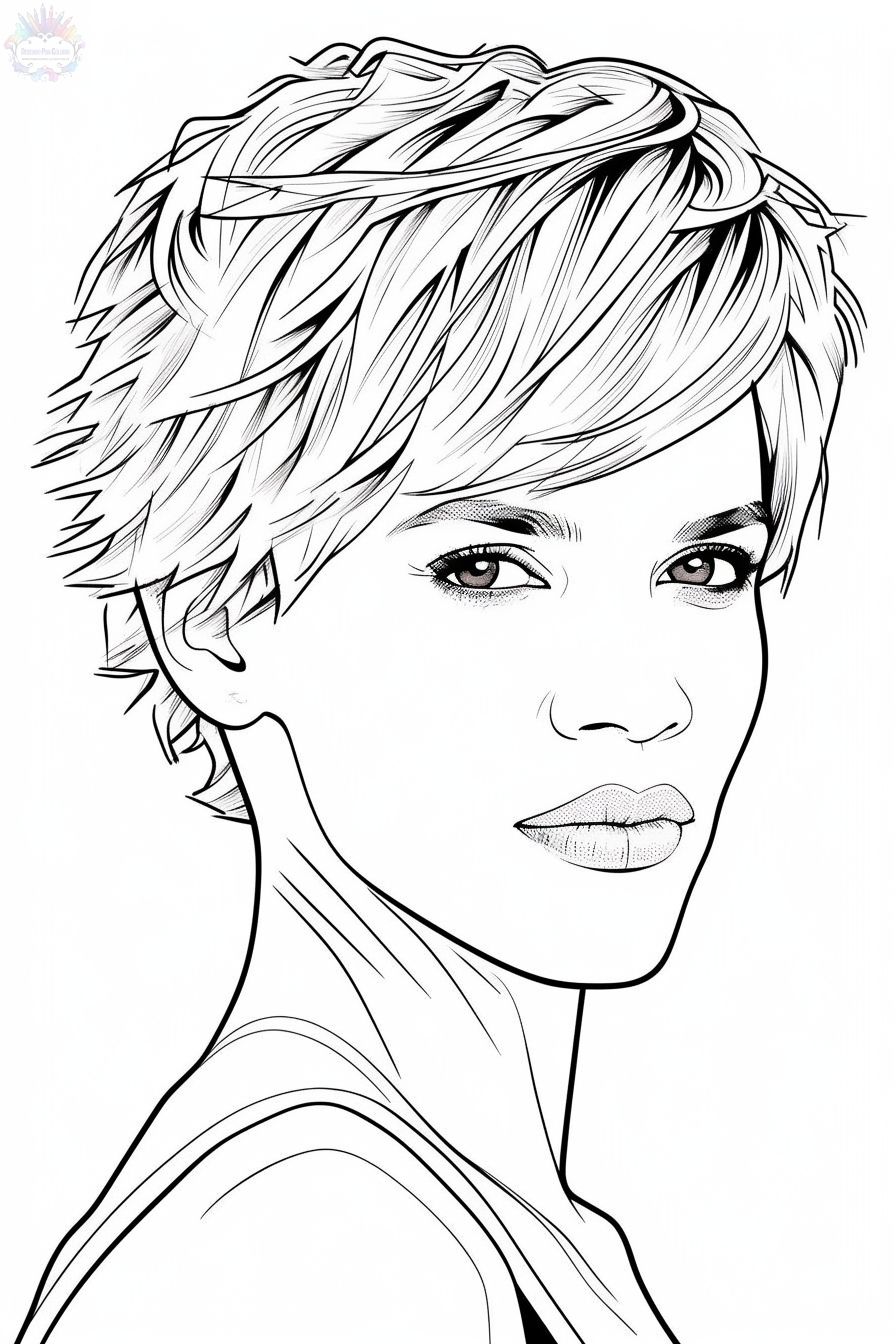
Stunning Coloring Faces Background Illustration
Find inspiration with this unique coloring faces illustration, crafted to provide a fresh look for your background.

Vivid Coloring Faces Wallpaper in 4K
Explore this high-quality coloring faces image, perfect for enhancing your desktop or mobile wallpaper.
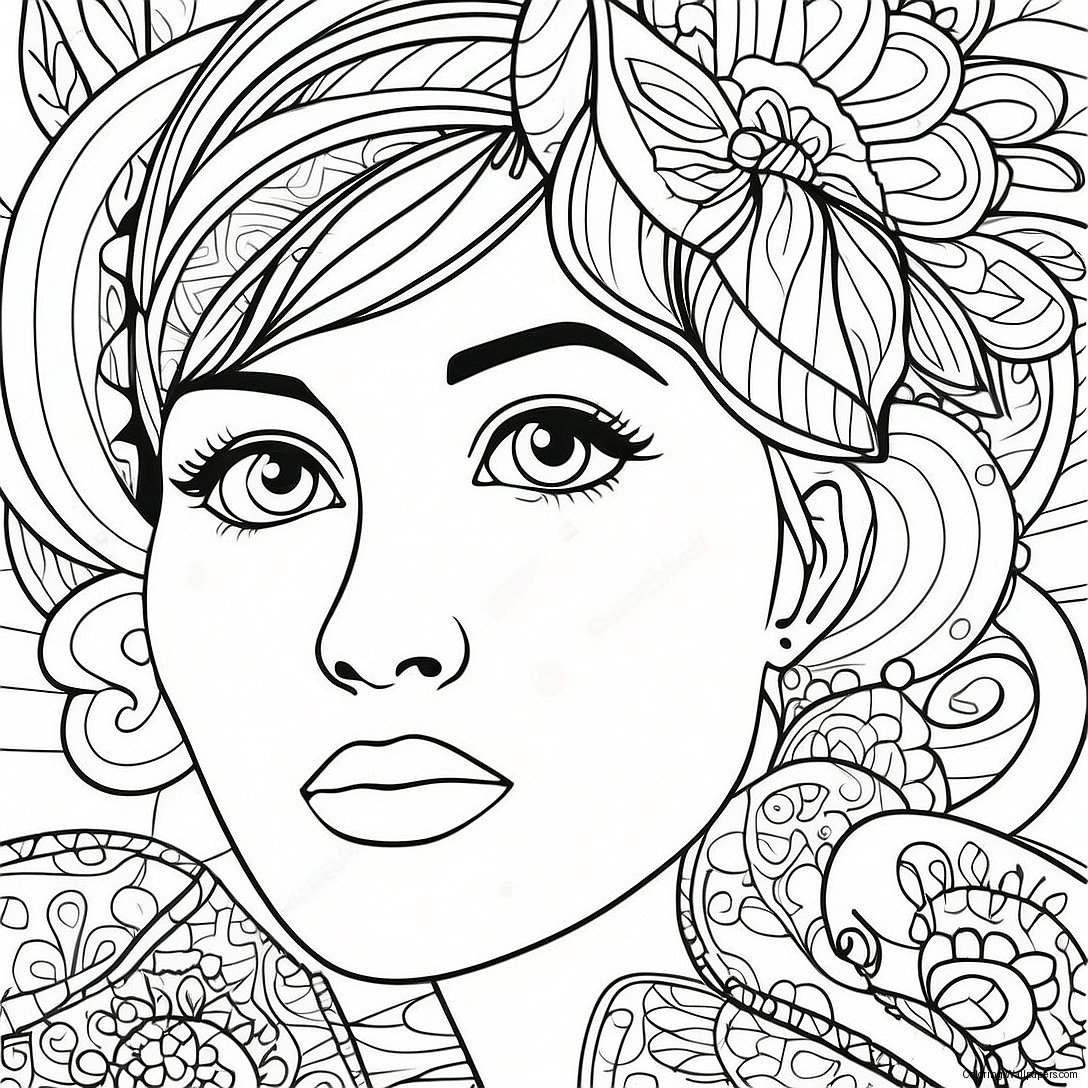
Lush Coloring Faces Image Nature
A captivating coloring faces scene that brings tranquility and beauty to any device.

Detailed Coloring Faces Picture Illustration
Experience the crisp clarity of this stunning coloring faces image, available in high resolution for all your screens.
High-Quality Coloring Faces Landscape Art
Transform your screen with this vivid coloring faces artwork, a true masterpiece of digital design.

Amazing Coloring Faces View Digital Art
Transform your screen with this vivid coloring faces artwork, a true masterpiece of digital design.
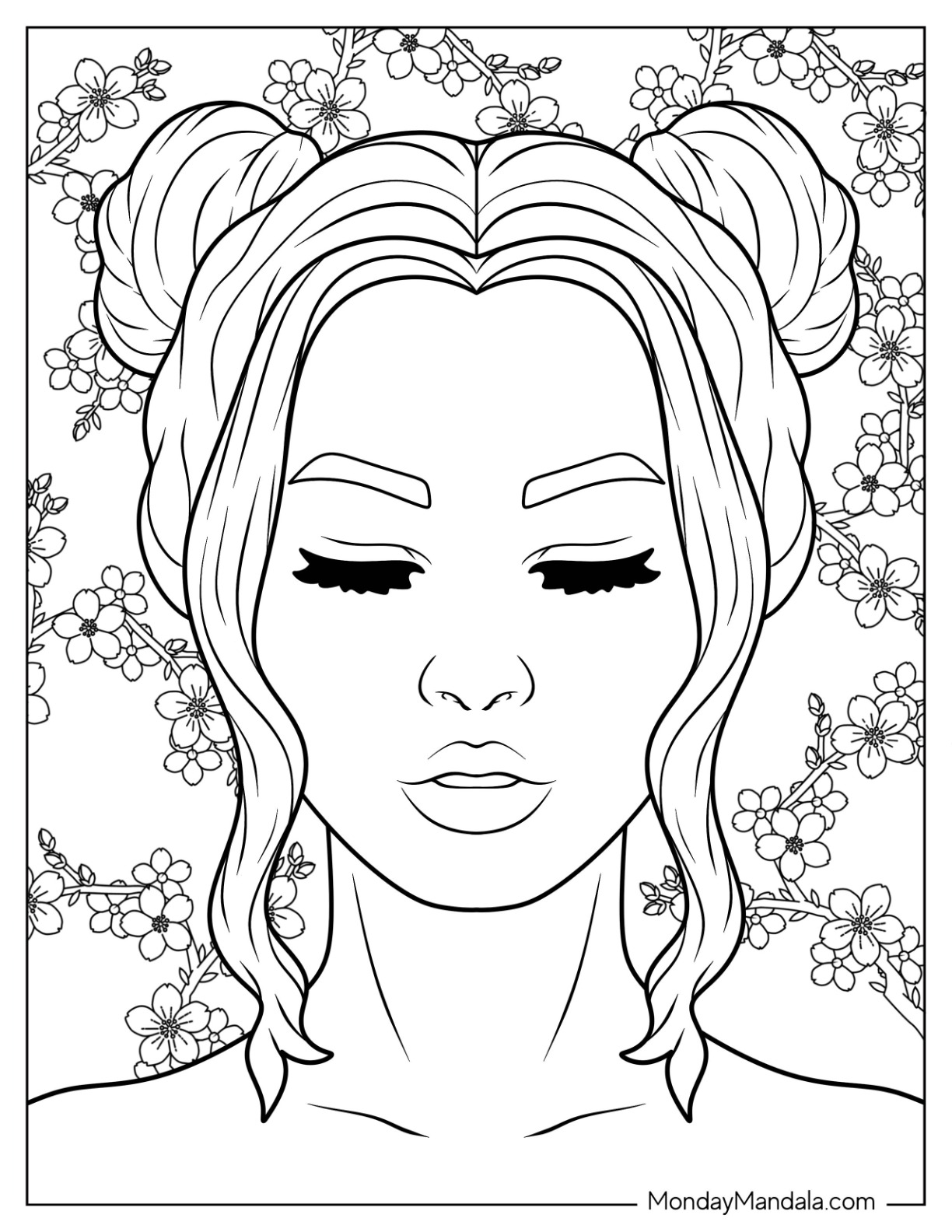
High-Quality Coloring Faces Moment for Your Screen
Discover an amazing coloring faces background image, ideal for personalizing your devices with vibrant colors and intricate designs.
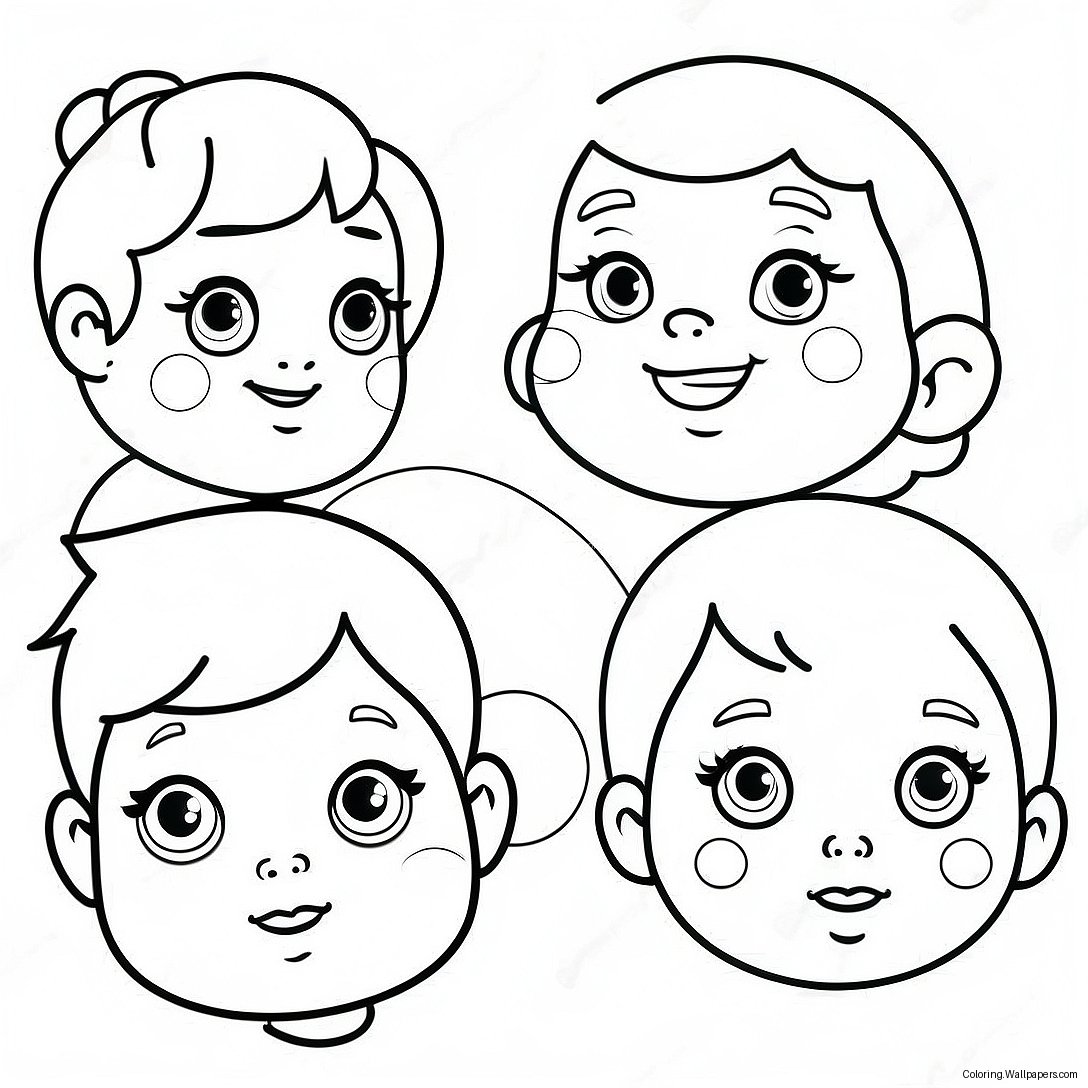
Beautiful Coloring Faces Wallpaper for Your Screen
Explore this high-quality coloring faces image, perfect for enhancing your desktop or mobile wallpaper.
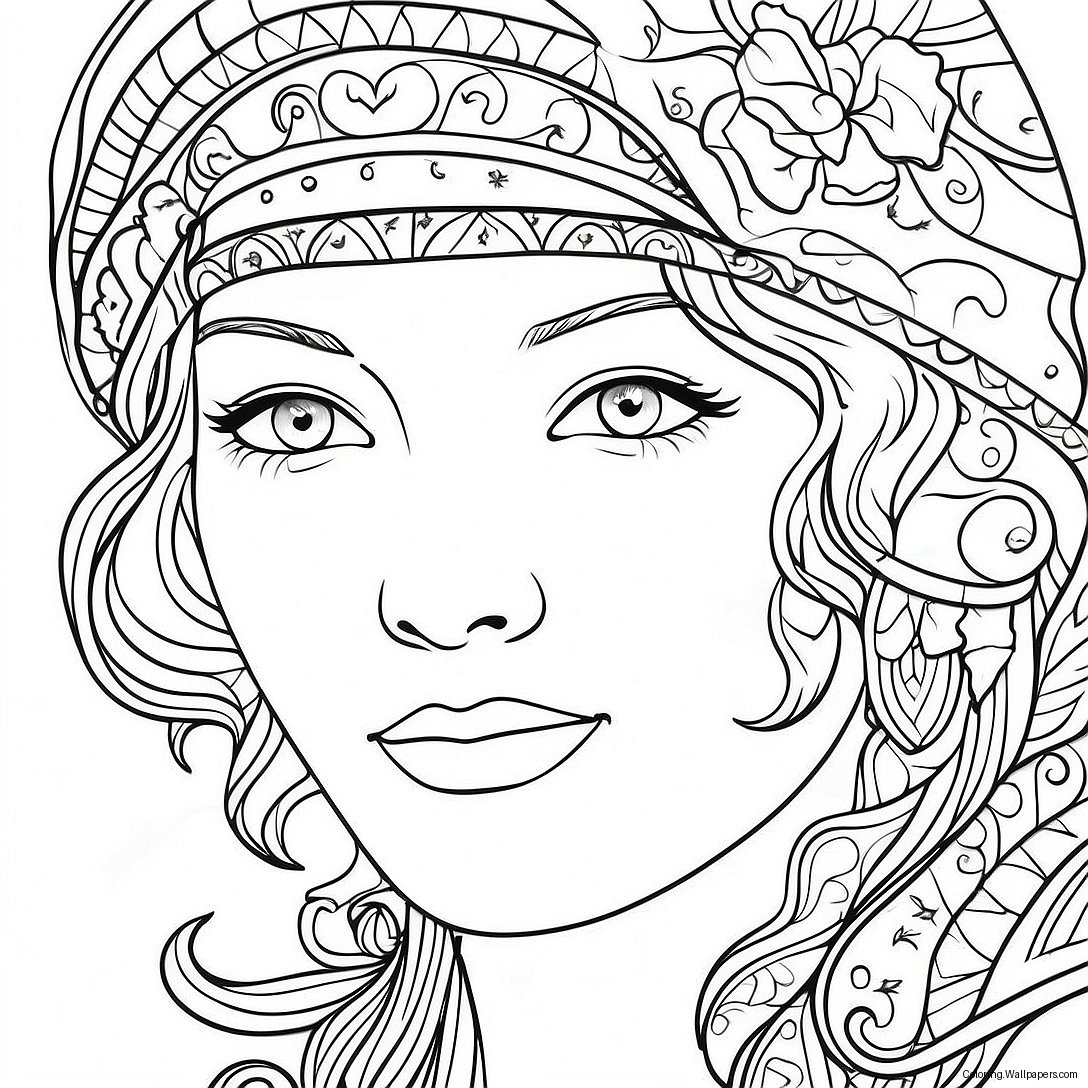
Amazing Coloring Faces Image Nature
Experience the crisp clarity of this stunning coloring faces image, available in high resolution for all your screens.
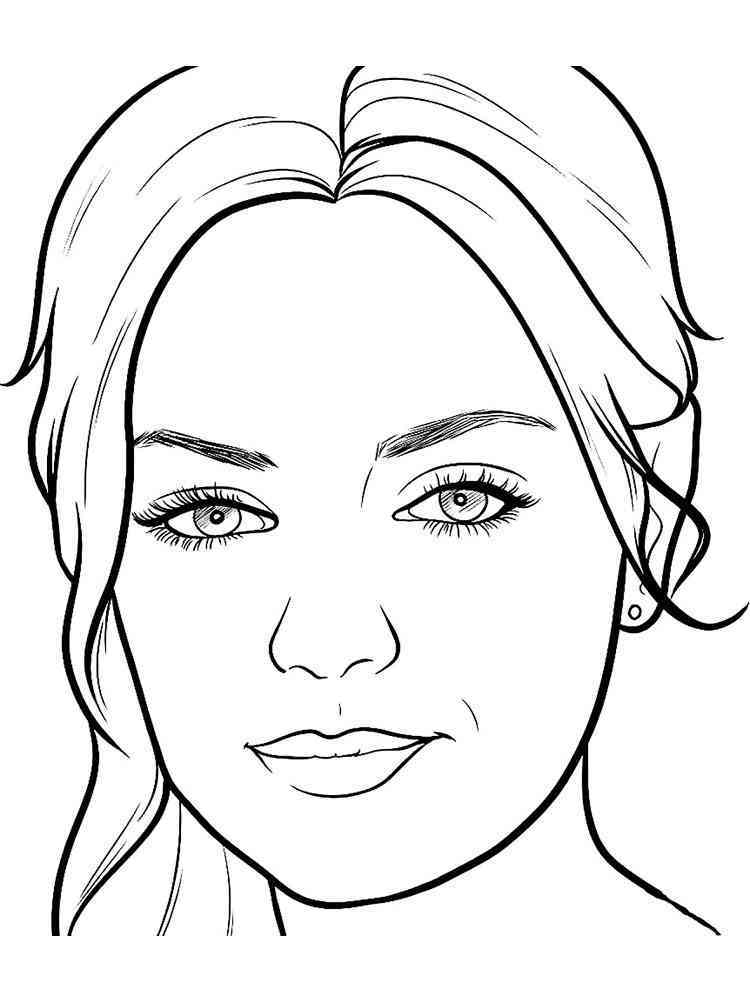
Captivating Coloring Faces Picture Art
Immerse yourself in the stunning details of this beautiful coloring faces wallpaper, designed for a captivating visual experience.
Download these coloring faces wallpapers for free and use them on your desktop or mobile devices.