Crayola Colour Wheel
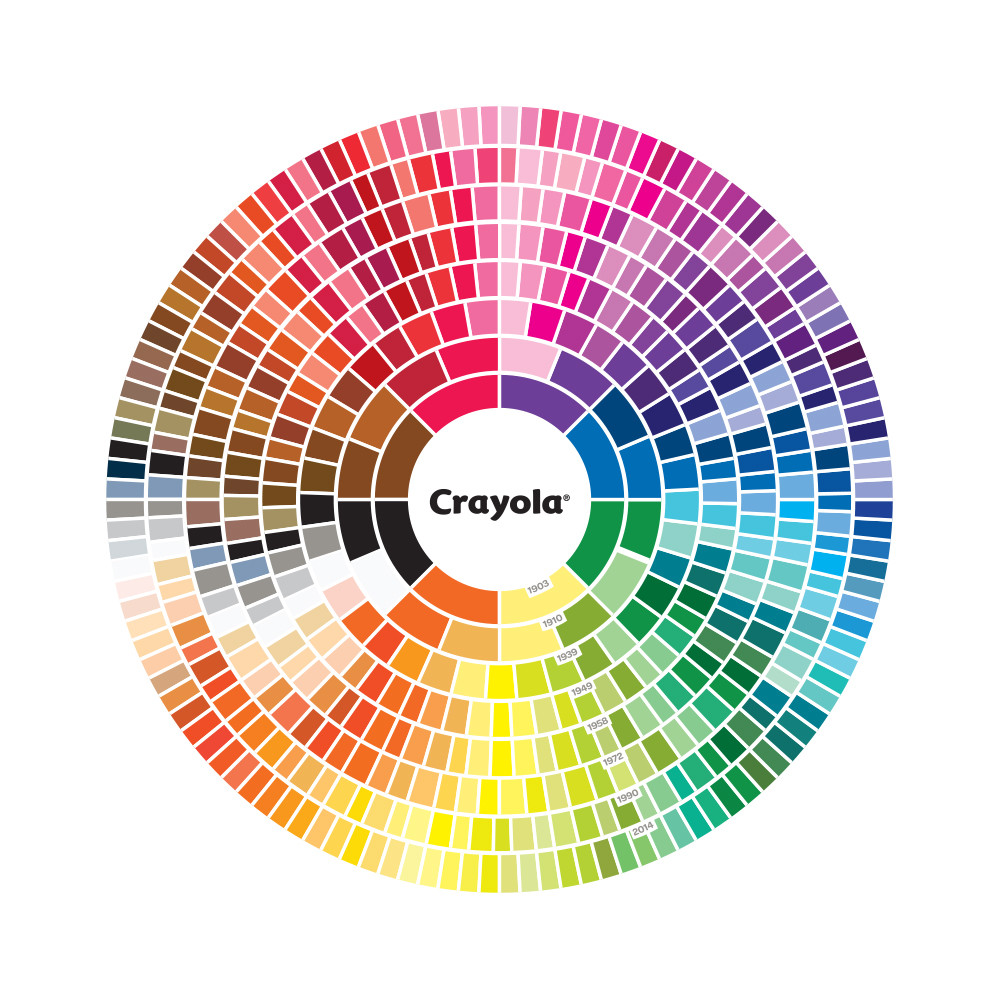
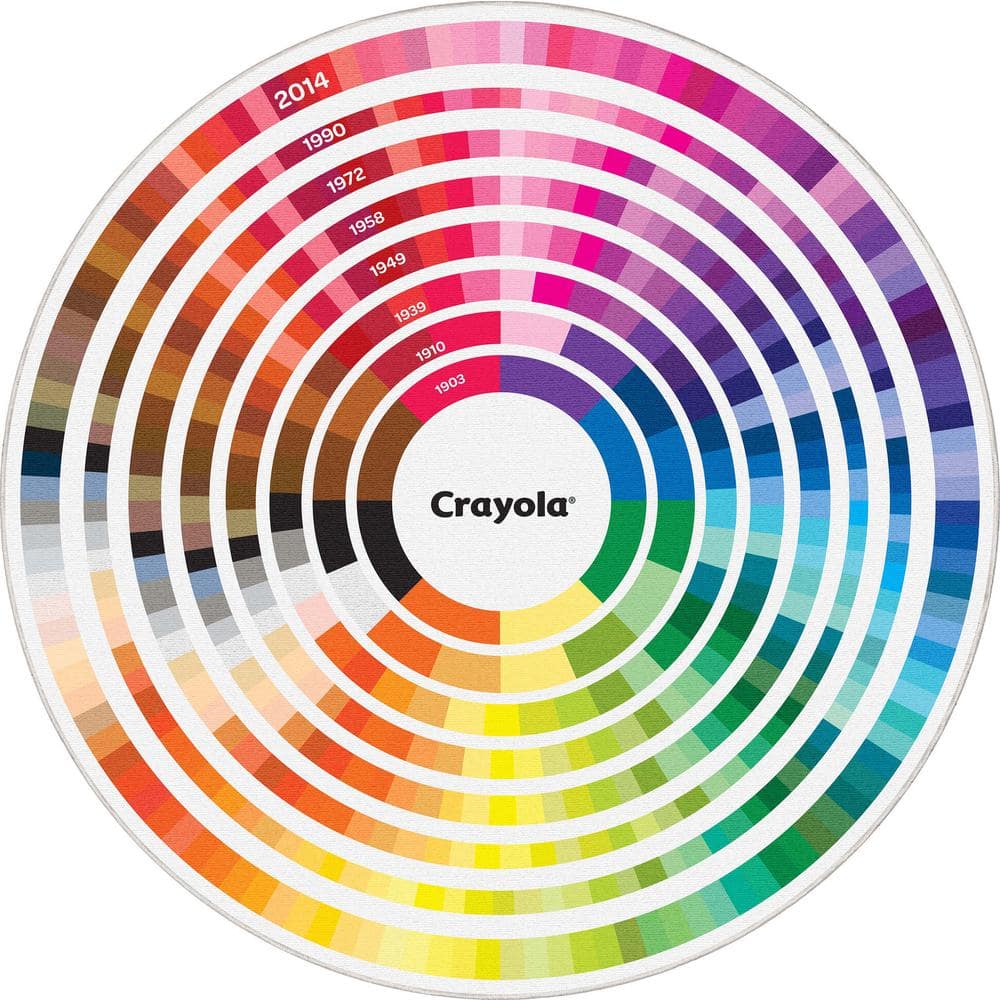
Crayola Colour Wheel: Your Ultimate Guide to Colorful Creativity
If you've ever stared at a massive box of 120 Crayola crayons, wondering how to perfectly match that neon green with the right shade of violet, you need the secret weapon: the Crayola Colour Wheel. This isn't just a boring art school concept; it's the map to unleashing your full creative potential, ensuring your drawings and projects always look vibrant and harmonious.
Understanding the color wheel is fundamental, whether you are a seasoned artist or just coloring with your kids. It shows you the relationships between colors, helping you choose shades that complement each other rather than clash. Let's dive deep into how the classic spectrum translates specifically into the beloved world of Crayola!
What Makes the Crayola Colour Wheel Unique?
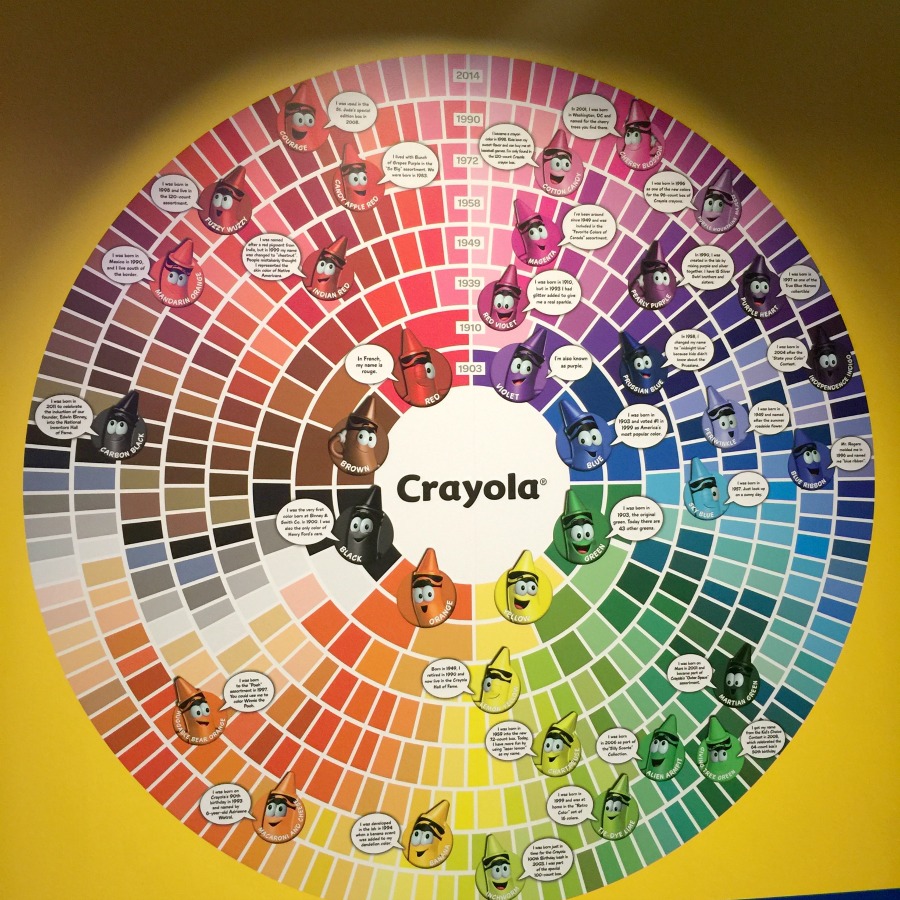
While the basic structure of the color wheel—Red, Yellow, Blue—remains consistent, the Crayola experience adds a layer of fun through its famously diverse and often whimsical color names. From "Macaroni and Cheese" to "Fuzzy Wuzzy Brown," these names might make traditional mixing seem tricky, but the underlying principles are the same.
The beauty of the Crayola Colour Wheel lies in its accessibility. It takes complex color theory and applies it to tools that everyone has used since childhood. By mastering the core concepts, you can easily transition from standard primary colors to choosing the perfect corresponding shade from Crayola's massive catalog.
Primary Colors: The Building Blocks
Primary colors are the foundation of all other colors; you cannot create them by mixing anything else. These are your absolute essentials for the Crayola Colour Wheel. In the standard RYB (Red, Yellow, Blue) model, these three pigments are the kings.
When working with Crayola, you often have multiple choices for your primaries. For Red, you might use "Scarlet" or "Red," while for Blue, "Cerulean" or "Blue" are common choices. Yellow remains fairly straightforward, usually "Yellow" or "Lemon Yellow."
Understanding these blocks is the first step in successful color mixing and selection:
- Red: Essential for warmth and passion.
- Yellow: Provides lightness and brightness.
- Blue: Offers coolness and depth.
Secondary Colors: Mixing Magic
When you combine any two primary colors in equal measure, you get a secondary color. These colors sit exactly between the primaries on the color wheel, establishing key relationships that guide color harmony.
Think about mixing a perfect Green using Crayola crayons. You take your Yellow and your Blue (maybe "Sky Blue"), blend them together, and voilà! You get Green (or perhaps "Kelly Green" or "Forest Green"). This mixing process proves the fundamental structure of the Crayola Colour Wheel.
The three key secondary colors are:
- Red + Yellow = Orange (or Crayola's "Marigold").
- Yellow + Blue = Green (or Crayola's "Jungle Green").
- Blue + Red = Violet (or Crayola's "Purple Heart").
Decoding the Crayola Spectrum: Beyond the Basics
Once you understand primary and secondary colors, the wheel expands further into tertiary colors. These shades bridge the gap between their parent primary and secondary colors, giving your artwork more subtlety and depth. Crayola provides an abundance of tertiary options, often with the most exciting names!
For example, mixing Yellow and Orange gives you Yellow-Orange, or perhaps Crayola's "Goldenrod." This expanded spectrum is crucial for detailed work, especially when shading or adding fine details to landscapes or portraits.
Tertiary and Analogous Harmonies
Tertiary colors are created by mixing a primary color with an adjacent secondary color. They are named by combining the two parent colors (e.g., Red-Violet, Blue-Green).
Analogous colors are groups of three colors that are next to each other on the color wheel. They harmonize beautifully and are frequently used to create serene and comfortable designs. Think "Blue," "Blue-Green," and "Green" – a calming ocean palette built right from the Crayola Colour Wheel.
Using analogous Crayola colors can make your artwork look instantly professional and cohesive. Try combining "Indigo," "Blue-Violet," and "Violet" for a moody nighttime sky.
Warm vs. Cool Crayola Tones
The color wheel is perfectly divided into two major temperature categories: warm and cool. This distinction is vital for setting the mood or feeling of your drawing.
Warm colors generally include reds, oranges, and yellows. They are energizing, attention-grabbing, and remind us of sunlight or fire. Crayola favorites like "Atomic Tangerine" and "Sunset Orange" fall into this category.
Cool colors include blues, greens, and violets. They are soothing, calming, and remind us of water, nature, and shadows. For cool vibes, reach for "Periwinkle" or "Sea Green." Knowing whether your color is warm or cool helps dramatically when deciding how to shade or highlight areas.
Practical Uses of the Crayola Colour Wheel
So, how do we take this theoretical knowledge and apply it directly to that giant box of Crayola crayons or markers? The practical application centers around choosing color schemes that delight the eye and convey your artistic message clearly.
Using the color wheel removes the guesswork from color selection. Instead of randomly choosing colors, you can rely on established schemes that are guaranteed to work together. This is helpful for everything from decorating a poster board to creating detailed character art.
Choosing the Right Shades for Your Art
When selecting your palette, consider the message. Do you want high energy or something subtle? Your choice of color scheme—whether it's complementary, analogous, or triadic—will determine the emotional impact of your piece.
Here are some ways to use the Crayola Colour Wheel effectively:
- Identify your core color (e.g., "Indigo").
- Use the wheel to locate its complementary color (Orange/Yellow-Orange, like "Burnt Sienna").
- Select analogous colors (e.g., "Violet" and "Blue-Violet") to build a harmonious background palette.
- Use a triadic scheme (three colors spaced evenly) for vibrant, playful themes.
Matching Complimentary Hues
Complementary colors are those found directly opposite each other on the color wheel (e.g., Red and Green, Blue and Orange). When placed next to one another, they create the highest contrast, making both colors appear brighter and more intense.
This scheme is perfect for emphasis! If you want a specific element, like a Crayola "Screamin' Green" dinosaur, to pop off the page, draw a background using its complementary colors, such as "Magenta" or "Red Violet." The contrast ensures maximum visual impact.
However, use complementary colors judiciously. Too much high contrast can be overwhelming, so artists often use one color as the dominant background and the other as an accent.
Using Tints and Shades
Tints and shades add dimension to your artwork. A tint is achieved by adding white to a color, making it lighter (think "Sky Blue" vs. "Blue"). A shade is created by adding black, making it darker (think "Forest Green" vs. "Green").
While Crayola doesn't require mixing paint with white or black, their extensive range offers ready-made tints and shades. Look for names that imply lightness ("Pastel," "Light") or darkness ("Deep," "Midnight") to create realistic shadows and highlights. This is the secret to making your two-dimensional drawings look three-dimensional.
Using different values (lights and darks) of a single hue is called a monochromatic scheme, which is incredibly elegant and easy to execute with a wide array of Crayola supplies.
Conclusion: Mastering the Crayola Colour Wheel
The Crayola Colour Wheel is more than just a theoretical concept; it's a practical tool that allows anyone to create visually stunning and harmonious art. By understanding the relationships between primary, secondary, and tertiary colors, and recognizing the power of warm and cool tones, you can move beyond random coloring to intentional design.
We encourage you to grab your biggest box of Crayola products—whether they are crayons, markers, or colored pencils—and start experimenting with complementary and analogous schemes. Once you master the color wheel, you will find new depths and possibilities in every single shade, from "Tickle Me Pink" to "Midnight Blue." Happy coloring!
Frequently Asked Questions (FAQ) about the Crayola Colour Wheel
- What is the difference between the standard color wheel and the Crayola Colour Wheel?
- The structural theory (Primary, Secondary, Complementary) remains the same. The "Crayola Colour Wheel" simply refers to applying those universal principles specifically to the vast array of hues and unique names offered by the Crayola brand.
- How do I find the complementary color for a specific Crayola shade?
- First, identify the base hue of the Crayola shade (e.g., "Carnation Pink" is a tint of Red). Then, look directly across the color wheel to find the complementary base hue (Green). Finally, choose a Crayola green, like "Emerald Green" or "Spring Green," that offers the best contrast.
- Are Crayola color names standardized on the wheel?
- While Crayola offers thousands of names, they all fit into the standard RYB structure. "Macaroni and Cheese" is a Yellow-Orange, and "Purple Pizzazz" is a rich Violet. You must relate the whimsical name back to its core hue to use the color wheel effectively.
- What are analogous colors, and when should I use them?
- Analogous colors are three colors sitting side-by-side on the color wheel (e.g., Yellow, Yellow-Green, and Green). They should be used when you want to create a calm, harmonious, or relaxing composition, as they blend together smoothly without high contrast.
- How does the color wheel help with shading using crayons?
- When shading, you often use darker versions (shades) of the same hue or introduce a cool complementary color into the shadow areas. For instance, to shade a yellow object, you would use a darker yellow/brown, or a touch of violet, the complementary color, to create depth without making the shadow look muddy.
Crayola Colour Wheel
Crayola Colour Wheel Wallpapers
Collection of crayola colour wheel wallpapers for your desktop and mobile devices.
Artistic Crayola Colour Wheel Artwork Concept
A captivating crayola colour wheel scene that brings tranquility and beauty to any device.
Lush Crayola Colour Wheel Moment Digital Art
A captivating crayola colour wheel scene that brings tranquility and beauty to any device.

Detailed Crayola Colour Wheel Photo for Desktop
Discover an amazing crayola colour wheel background image, ideal for personalizing your devices with vibrant colors and intricate designs.

Amazing Crayola Colour Wheel Landscape Concept
Transform your screen with this vivid crayola colour wheel artwork, a true masterpiece of digital design.

Exquisite Crayola Colour Wheel Landscape for Desktop
A captivating crayola colour wheel scene that brings tranquility and beauty to any device.
Stunning Crayola Colour Wheel Image Art
Immerse yourself in the stunning details of this beautiful crayola colour wheel wallpaper, designed for a captivating visual experience.
Vibrant Crayola Colour Wheel Capture Illustration
Explore this high-quality crayola colour wheel image, perfect for enhancing your desktop or mobile wallpaper.

Artistic Crayola Colour Wheel Artwork for Your Screen
Find inspiration with this unique crayola colour wheel illustration, crafted to provide a fresh look for your background.
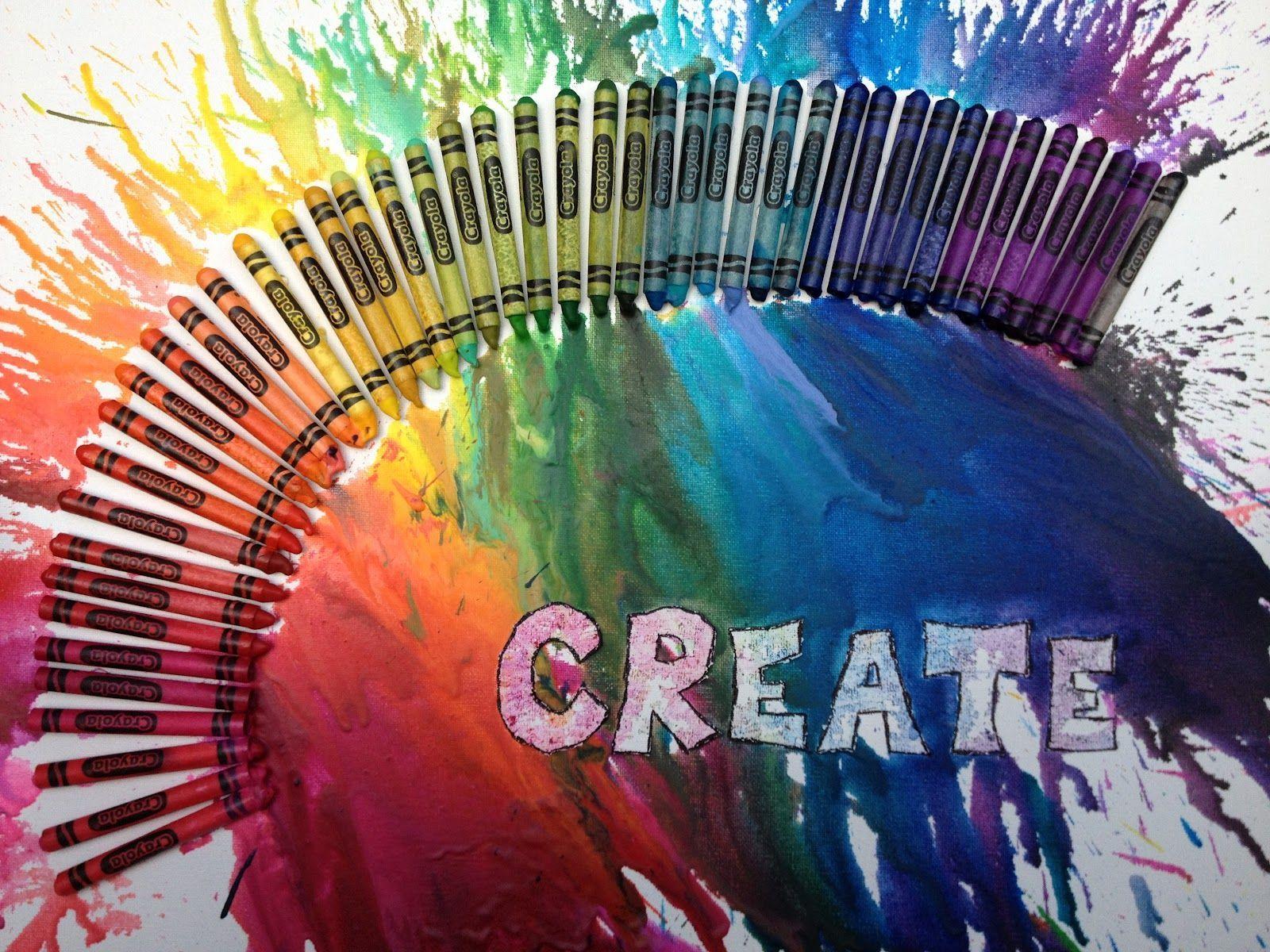
Vibrant Crayola Colour Wheel Abstract in 4K
Experience the crisp clarity of this stunning crayola colour wheel image, available in high resolution for all your screens.
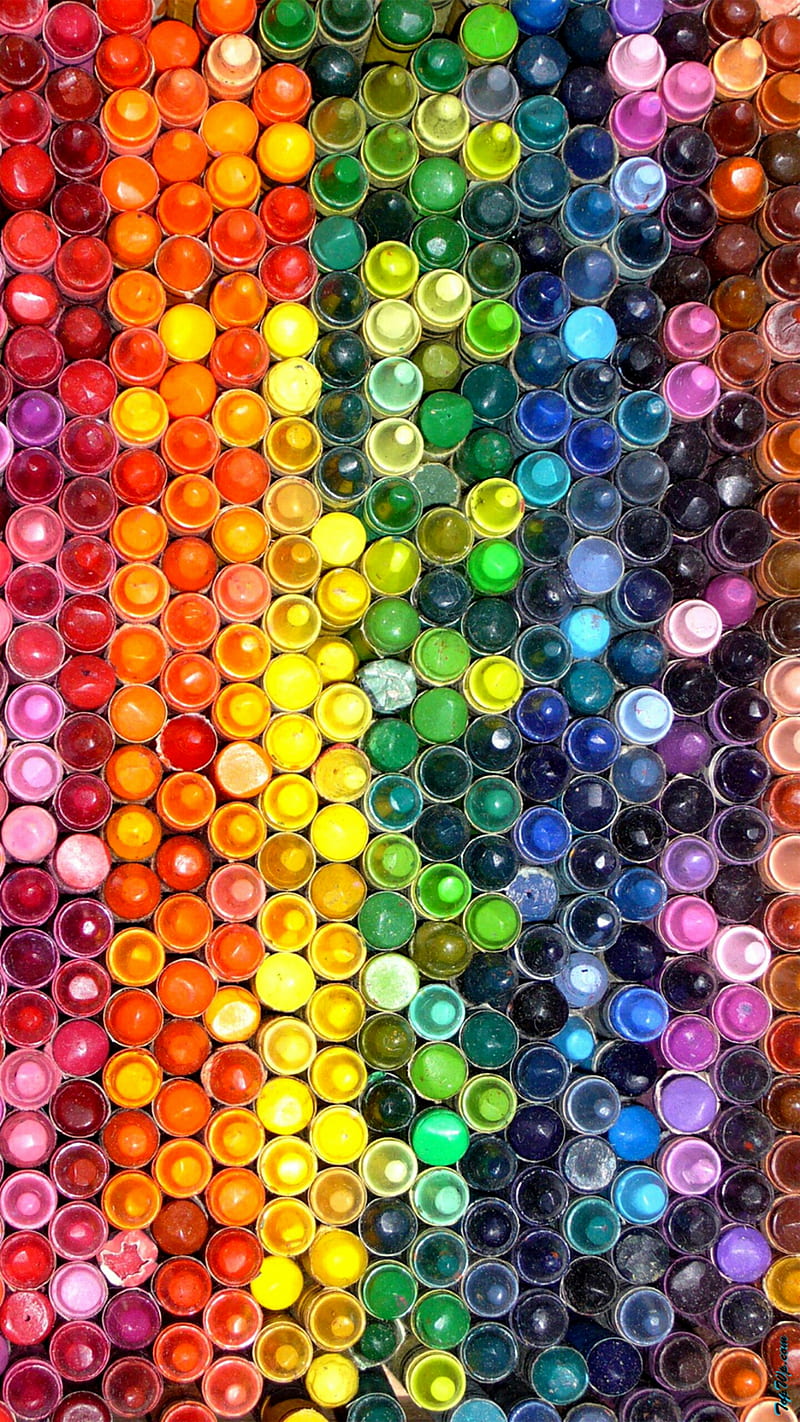
Vivid Crayola Colour Wheel Wallpaper in HD
Discover an amazing crayola colour wheel background image, ideal for personalizing your devices with vibrant colors and intricate designs.
Detailed Crayola Colour Wheel Artwork for Desktop
Discover an amazing crayola colour wheel background image, ideal for personalizing your devices with vibrant colors and intricate designs.
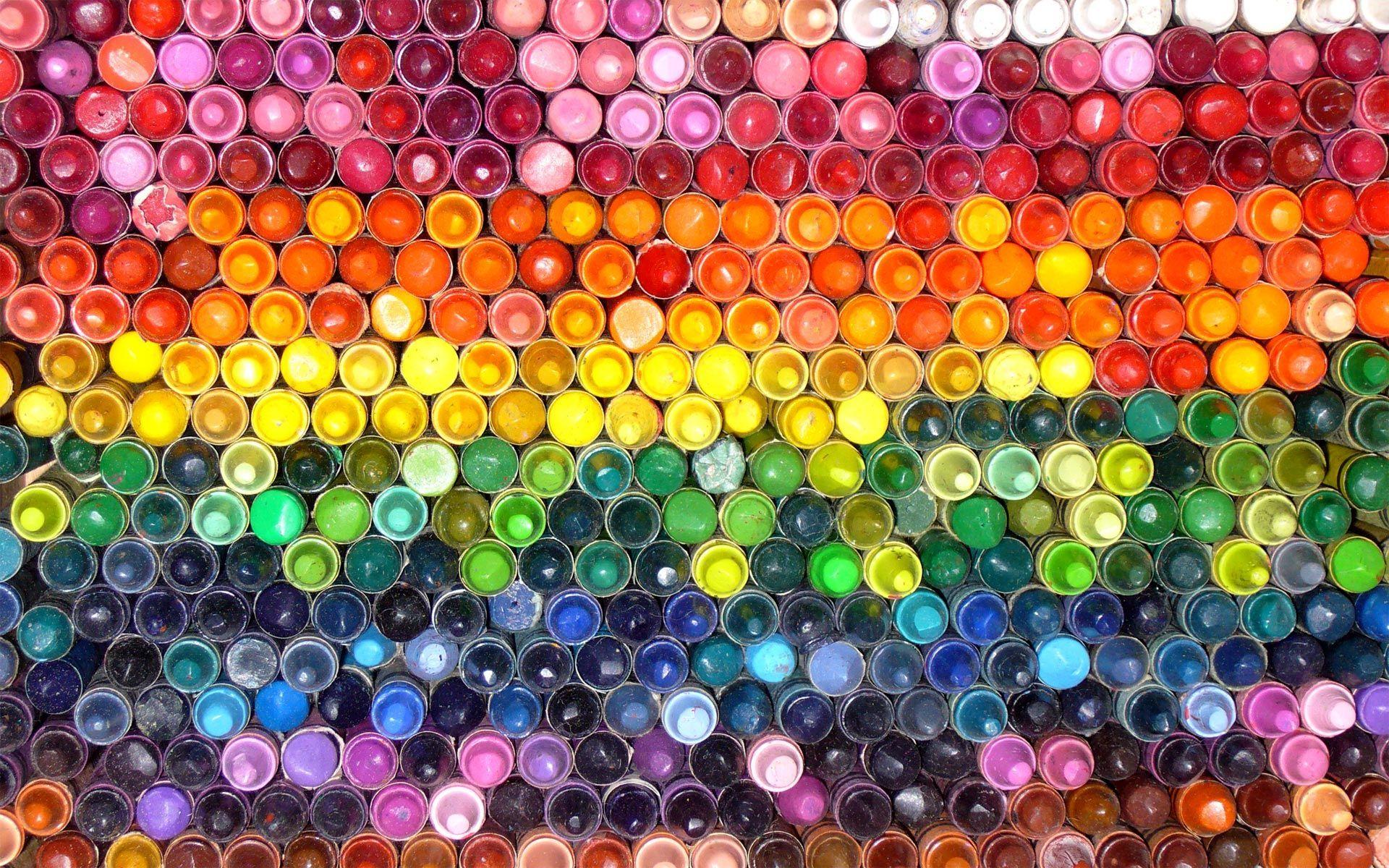
Lush Crayola Colour Wheel Photo for Mobile
A captivating crayola colour wheel scene that brings tranquility and beauty to any device.

Dynamic Crayola Colour Wheel View Photography
Find inspiration with this unique crayola colour wheel illustration, crafted to provide a fresh look for your background.
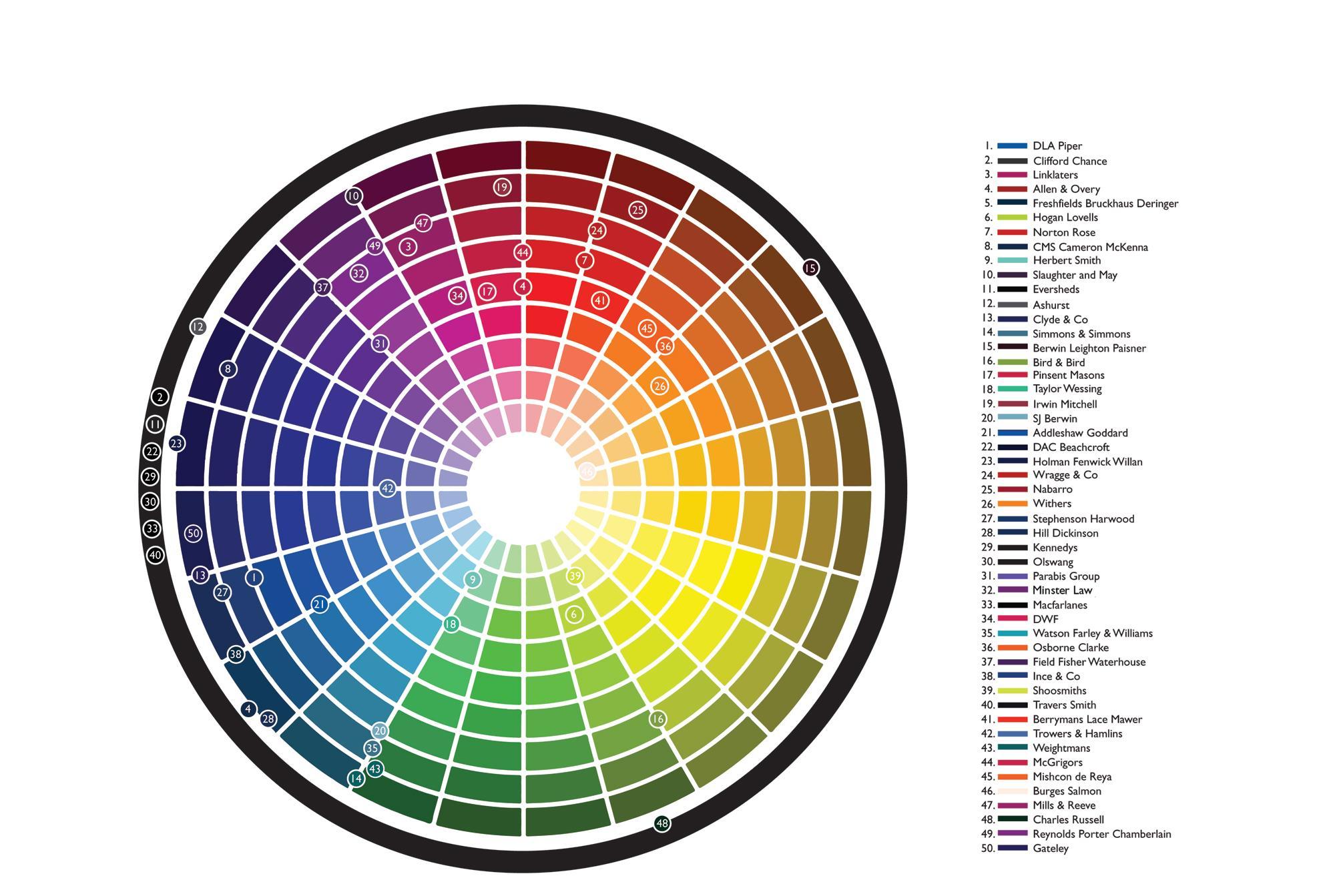
Dynamic Crayola Colour Wheel Capture Art
A captivating crayola colour wheel scene that brings tranquility and beauty to any device.

Dynamic Crayola Colour Wheel View for Mobile
This gorgeous crayola colour wheel photo offers a breathtaking view, making it a perfect choice for your next wallpaper.
Spectacular Crayola Colour Wheel Photo for Mobile
Find inspiration with this unique crayola colour wheel illustration, crafted to provide a fresh look for your background.
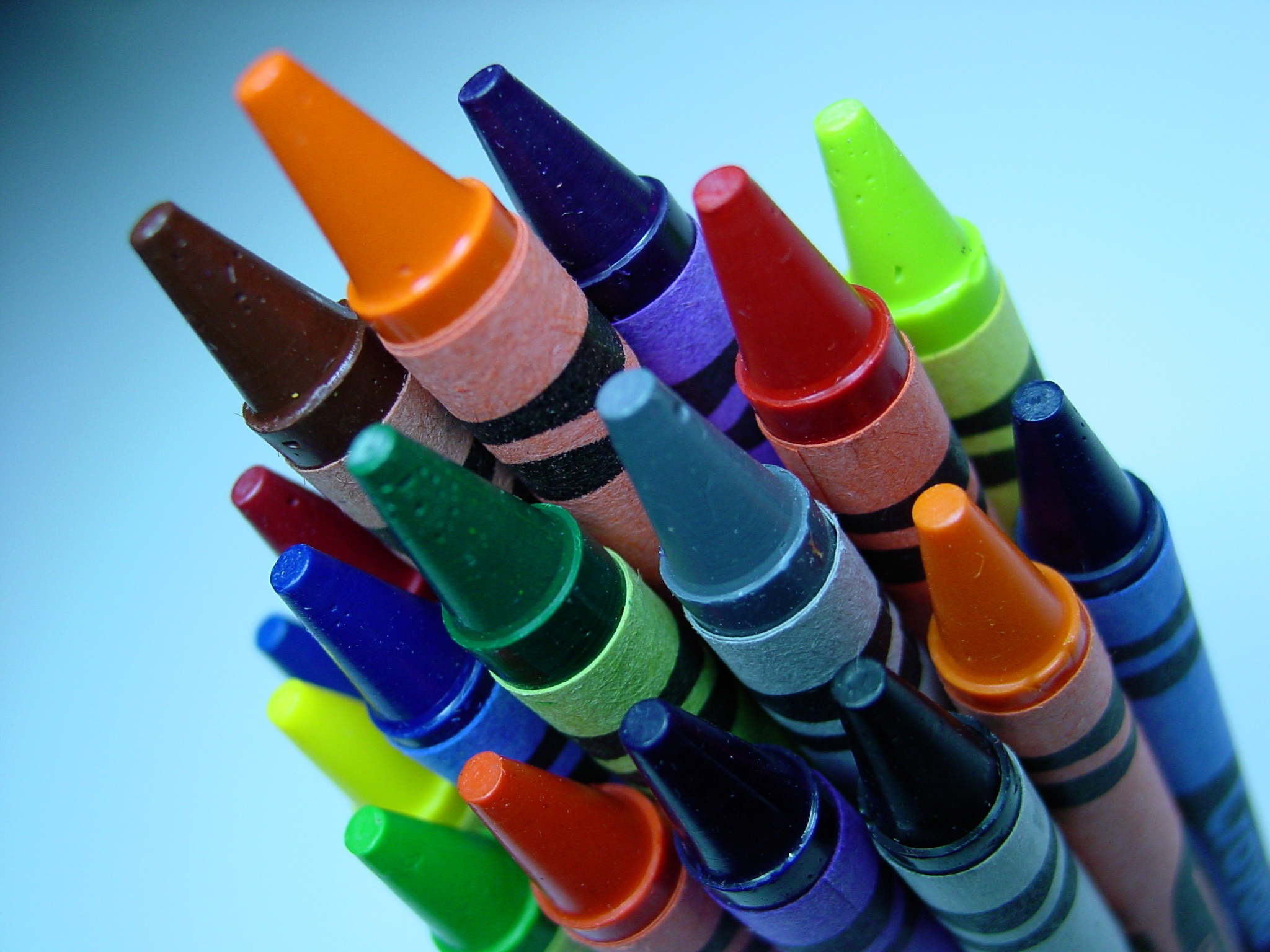
Stunning Crayola Colour Wheel Background Art
Immerse yourself in the stunning details of this beautiful crayola colour wheel wallpaper, designed for a captivating visual experience.
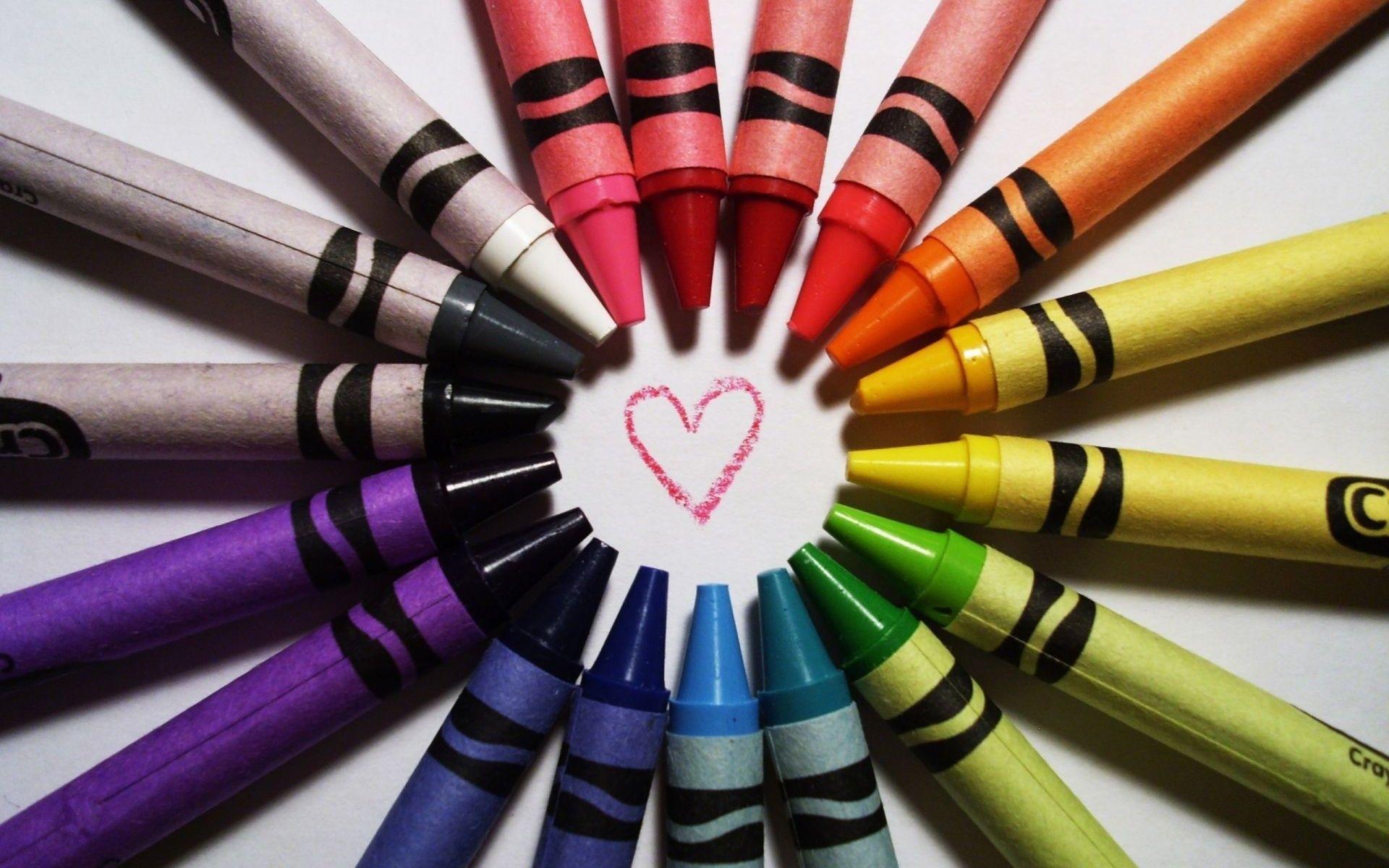
Exquisite Crayola Colour Wheel Scene Collection
This gorgeous crayola colour wheel photo offers a breathtaking view, making it a perfect choice for your next wallpaper.

High-Quality Crayola Colour Wheel View for Your Screen
Discover an amazing crayola colour wheel background image, ideal for personalizing your devices with vibrant colors and intricate designs.

Vibrant Crayola Colour Wheel Image Digital Art
Experience the crisp clarity of this stunning crayola colour wheel image, available in high resolution for all your screens.
Download these crayola colour wheel wallpapers for free and use them on your desktop or mobile devices.