Crayons History
Crayons History: Tracing the Colorful Journey of Your Favorite Art Tool
If you have ever spent an afternoon coloring in a magical unicorn or sketching a self-portrait on butcher paper, you know the simple joy provided by a box of crayons. These humble wax sticks are staples in classrooms and homes across the globe. But have you ever stopped to wonder where they actually came from?
The story behind these vibrant cylinders is surprisingly long and fascinating, stretching back centuries before they earned their permanent spot on the art supply shelf. Join us as we dive deep into the comprehensive Crayons History, exploring how ancient techniques evolved into the beloved tools we use today.
Get ready to sharpen your knowledge, because the history of the crayon is much more than just paraffin and pigment; it's a story of innovation, accessibility, and pure, unadulterated color.
The Ancient Roots of Wax Coloring
Before the modern crayon could exist, artists needed a way to combine pigment with a binder that was easy to handle and stable. While the earliest forms of drawing often involved charcoal or natural earth pigments mixed with oil or water, the use of wax offered a unique set of benefits: permanence, brilliance, and a distinct texture.
It might surprise you to learn that the concept of coloring with a wax-based medium is not a recent invention at all. In fact, the roots of Crayons History date back to ancient civilizations, specifically the Greeks and the Romans, who utilized complex wax techniques for fine art.
Encaustic Painting: The First Wax Medium
The closest ancestor to our modern crayon is encaustic painting. This technique, popular thousands of years ago, involves mixing dry pigments with melted beeswax. The paint was then applied while hot, usually using heated tools, to surfaces like wood or stone.
The results were stunningly durable and vibrant. Perhaps the most famous examples are the Fayum mummy portraits from Roman Egypt, which have retained their color brilliantly for nearly two millennia. While these weren't handheld wax sticks, they cemented the knowledge that wax was an excellent binder for long-lasting color.
Over the centuries, various attempts were made to simplify wax coloring. European artists often used oil pastels or colored chalk encased in wax to protect the pigment, bridging the gap between ancient art and the coming industrial age.
The Industrial Dawn: Modern Crayons Take Shape
The 19th century brought massive changes in manufacturing and materials. As industries grew, so did the ability to produce goods cheaply and consistently. This environment was perfect for transforming the expensive, time-consuming encaustic process into an affordable tool for everyone.
Initially, colored pencils and chalk were the main coloring mediums. However, chalk was messy, and colored pencils required sharpening and often produced weak color. The desire for a medium that was less dusty, rich in color, and easy for children to grasp fueled the next phase of Crayons History.
The Pioneers Before Crayola
It's a common misconception that one company invented the modern crayon. In reality, several manufacturers in Europe and the United States experimented with formulations in the late 1800s. These early crayons were often thicker, used natural fats or oils instead of pure paraffin wax, and were primarily marketed to industrial draftsmen or artists.
For example, the firm of Joseph W. McVicker in New York was producing wax-based art supplies. Furthermore, companies realized that combining pigment with paraffin wax—a byproduct of refining petroleum that became widely available during this era—created a stable, non-toxic, and affordable coloring stick.
This widespread availability of paraffin wax was the game-changer, making the shift from industrial tool to children's toy inevitable.
The Colorful Revolution: The Rise of Crayola
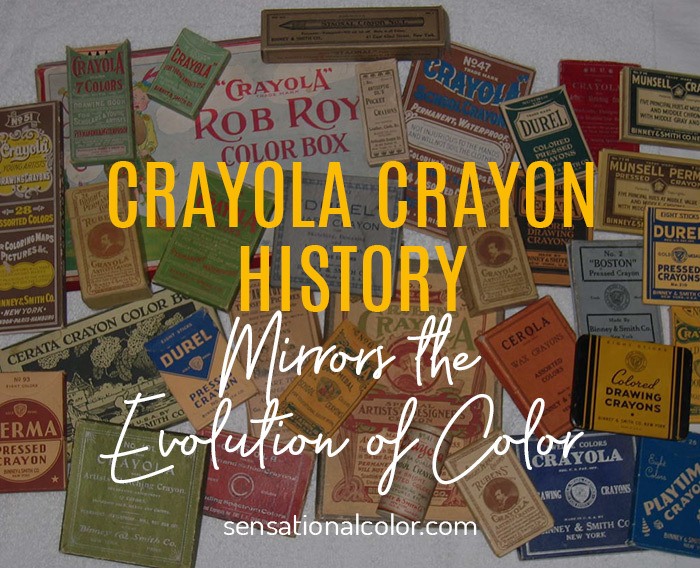
While many companies played a role in the evolution of the crayon, one name stands synonymous with the modern form: Crayola. The company, originally Binney & Smith, fundamentally changed the course of Crayons History forever.
Edwin Binney and C. Harold Smith started by producing industrial coloring materials like slate pencils and colored chalk. Recognizing the growing need for safe, quality, and affordable art supplies for American schoolchildren, they turned their attention to wax crayons.
In 1903, the first box of Crayola crayons was released. Alice Binney, Edwin's wife and a former schoolteacher, coined the iconic name by combining the French words for oily chalk ("craie" and "ola").
Defining the Modern Crayon
The initial Crayola box cost just a nickel and contained eight basic colors. Their success stemmed from their ability to create a consistent, non-toxic product that was significantly cleaner and more durable than the alternatives. This quality assurance was crucial for winning over schools and parents.
The basic formula for a modern crayon is elegant in its simplicity, typically consisting of three key components:
- Paraffin Wax: Providing the body and binding the ingredients together.
- Pigment: The highly concentrated powder that gives the crayon its color.
- Stearic Acid: Often added as a stabilizer and lubricant to ensure a smooth, even application.
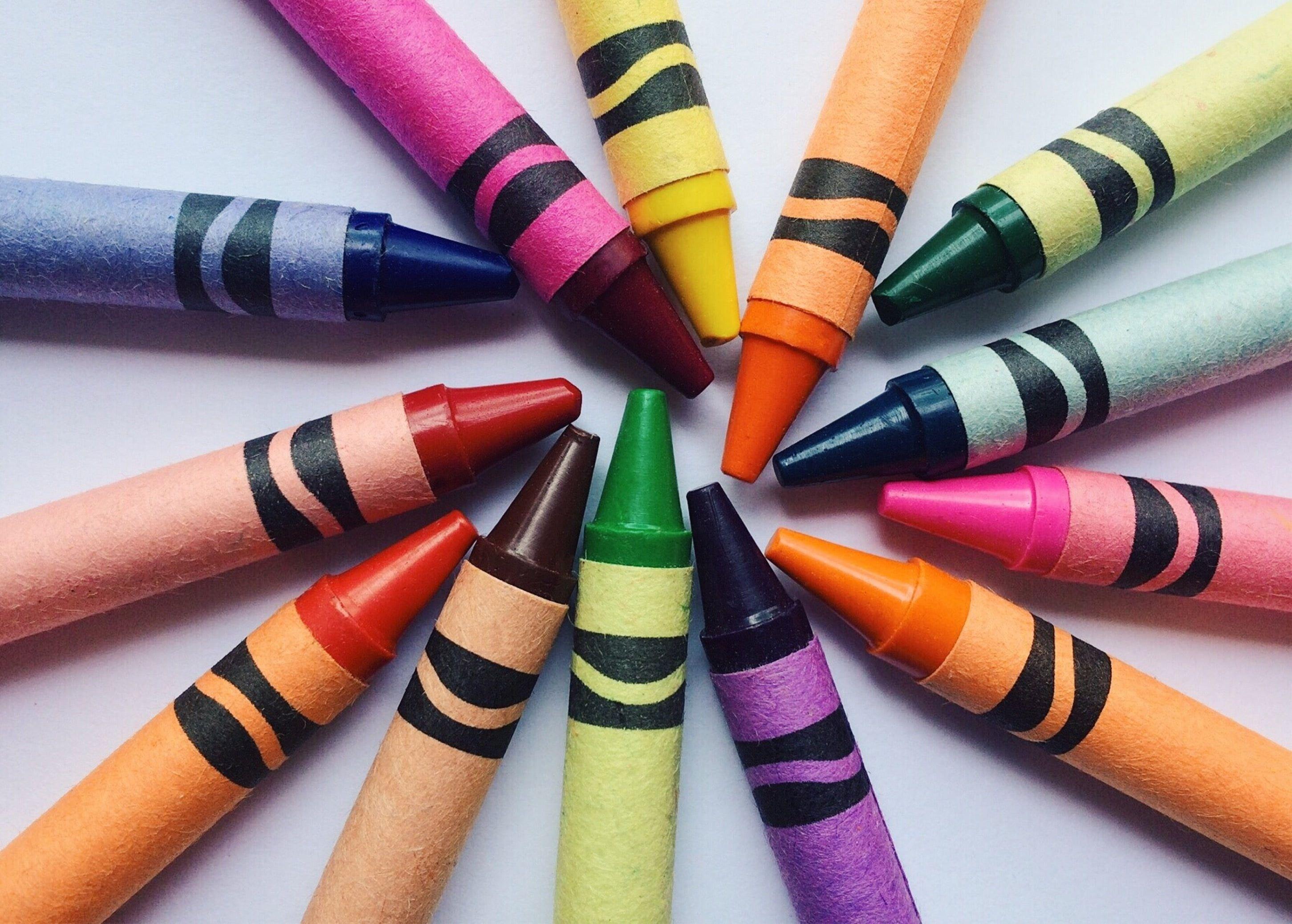
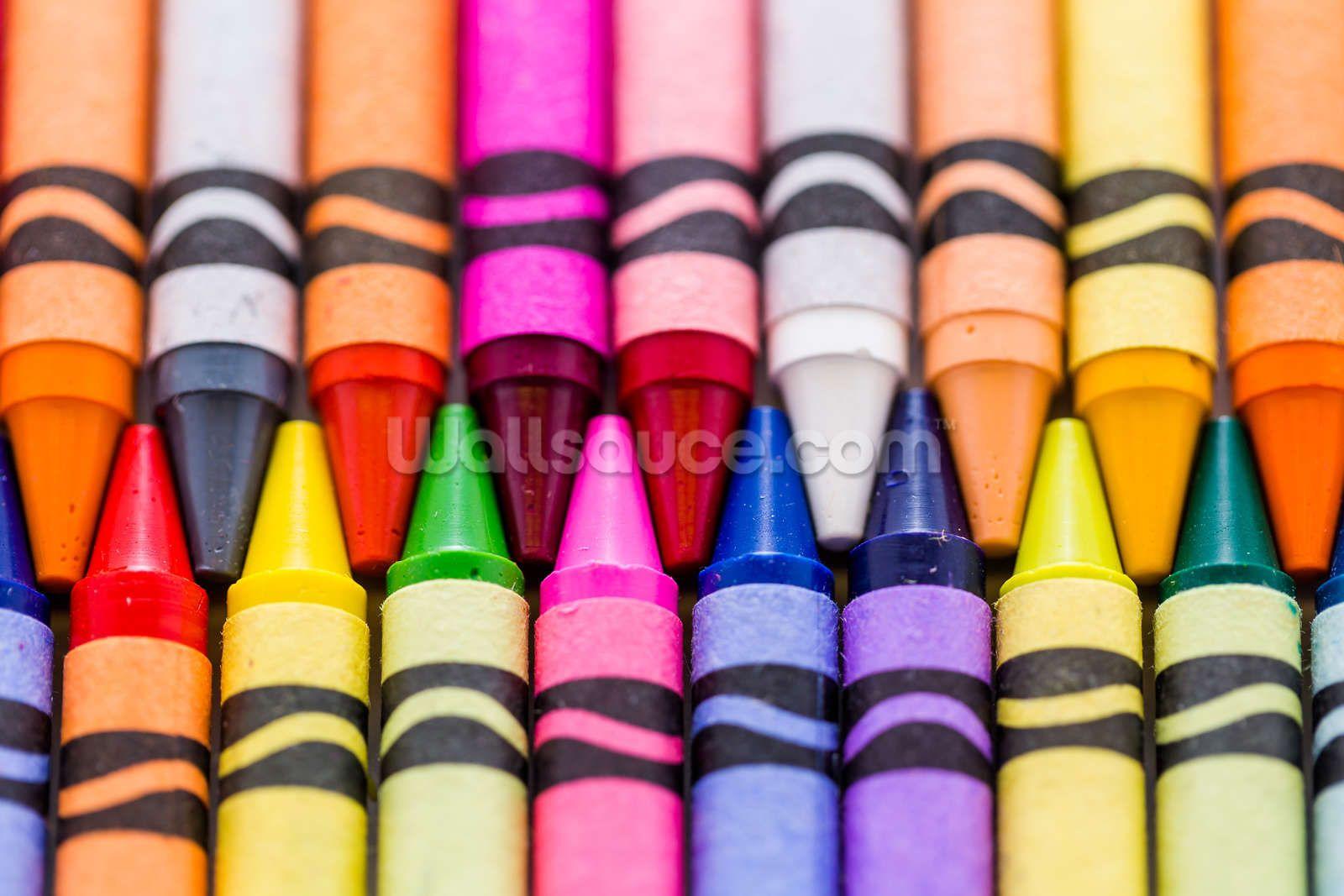
The wrapping of the paper label also served a brilliant purpose. It kept the wax from melting on small hands, prevented breakage, and allowed the manufacturer to label the specific color names that would become so famous.
Iconic Milestones in Crayon History
As the 20th century progressed, the crayon evolved from a simple eight-pack into the massive spectrum of color we recognize today. Each new box size and color introduction marked a step forward in making art accessible and diverse.
- 1930: The iconic 48-count box was introduced, offering a significant expansion of the color palette for budding artists.
- 1949: The creation of the 64-count box, complete with a built-in sharpener, revolutionized the home coloring experience and became an indispensable tool.
- 1958: The color "Prussian Blue" was retired due to confusion over the name and replaced with "Midnight Blue," illustrating the company's commitment to clarity and relevance.
- 1992: The introduction of "Multicultural" crayons (now known as Colors of the World) began addressing the need for skin tone diversity, a crucial moment of social reflection in Crayons History.
- 2003: The company celebrated its centennial, cementing its legacy as a cultural icon and recognizing the crayon's essential role in childhood development.
Today, millions of crayons are manufactured every single day. They remain a low-cost, high-impact tool for creativity, proving that sometimes, the simplest tools have the deepest history.
Conclusion: The Enduring Legacy of the Crayon
The journey through Crayons History is truly a colorful one, evolving from the specialized, heat-applied techniques of ancient Greece to the mass-produced, child-safe sticks found in every art supply store. The humble crayon represents far more than just wax and color; it embodies accessibility, creativity, and the power of simple innovation.
Next time you peel back the paper wrapper of a new crayon, remember the centuries of refinement that went into creating that perfect, colorful tip. Whether you favor "Dandelion" or "Screamin' Green," the crayon remains an enduring symbol of childhood imagination, proving that the brightest ideas often come in the simplest packages.
Frequently Asked Questions (FAQ) about Crayons History
- When were modern crayons officially invented?
- While wax-based coloring existed in various forms for centuries, the modern, standardized, non-toxic wax crayon largely recognized today was introduced by Binney & Smith (Crayola) in 1903.
- What was the original formula for crayons?
- The original crayons, and most modern ones, are made primarily from refined paraffin wax combined with specific pigments for color. Early versions before 1903 sometimes used industrial fats, but paraffin became the standard due to its stability and non-toxicity.
- Did Crayola invent the idea of coloring wax?
- No, Crayola did not invent the concept of coloring wax (which dates back to ancient encaustic painting). However, they revolutionized the process by making the sticks non-toxic, affordable, and mass-produced specifically for children and classroom use, effectively defining the modern standard for the crayon.
- Why are crayons wrapped in paper?
- The paper wrapper serves several crucial functions. It prevents the wax from melting or smudging onto the user's hands, provides structural integrity to prevent the stick from easily breaking, and serves as a labeled identity for the specific color name.
Crayons History
Crayons History Wallpapers
Collection of crayons history wallpapers for your desktop and mobile devices.
Detailed Crayons History Picture in HD
Transform your screen with this vivid crayons history artwork, a true masterpiece of digital design.

Dynamic Crayons History Artwork Illustration
Find inspiration with this unique crayons history illustration, crafted to provide a fresh look for your background.
Captivating Crayons History Scene Digital Art
A captivating crayons history scene that brings tranquility and beauty to any device.

Breathtaking Crayons History Abstract Art
Experience the crisp clarity of this stunning crayons history image, available in high resolution for all your screens.
Mesmerizing Crayons History Moment Collection
Explore this high-quality crayons history image, perfect for enhancing your desktop or mobile wallpaper.

Mesmerizing Crayons History Artwork Nature
Discover an amazing crayons history background image, ideal for personalizing your devices with vibrant colors and intricate designs.

Gorgeous Crayons History Picture for Your Screen
This gorgeous crayons history photo offers a breathtaking view, making it a perfect choice for your next wallpaper.
Dynamic Crayons History Artwork Photography
Find inspiration with this unique crayons history illustration, crafted to provide a fresh look for your background.
Dynamic Crayons History View Concept
A captivating crayons history scene that brings tranquility and beauty to any device.

Vivid Crayons History Abstract for Mobile
Transform your screen with this vivid crayons history artwork, a true masterpiece of digital design.

Lush Crayons History Capture for Desktop
This gorgeous crayons history photo offers a breathtaking view, making it a perfect choice for your next wallpaper.

Vibrant Crayons History Capture Collection
Experience the crisp clarity of this stunning crayons history image, available in high resolution for all your screens.
Serene Crayons History Abstract Digital Art
Transform your screen with this vivid crayons history artwork, a true masterpiece of digital design.
Artistic Crayons History Artwork for Desktop
This gorgeous crayons history photo offers a breathtaking view, making it a perfect choice for your next wallpaper.

High-Quality Crayons History Background Digital Art
Discover an amazing crayons history background image, ideal for personalizing your devices with vibrant colors and intricate designs.

Crisp Crayons History Design for Mobile
Find inspiration with this unique crayons history illustration, crafted to provide a fresh look for your background.
Captivating Crayons History View Concept
This gorgeous crayons history photo offers a breathtaking view, making it a perfect choice for your next wallpaper.
Captivating Crayons History Artwork Art
Find inspiration with this unique crayons history illustration, crafted to provide a fresh look for your background.

Crisp Crayons History Moment Photography
This gorgeous crayons history photo offers a breathtaking view, making it a perfect choice for your next wallpaper.
Detailed Crayons History Capture Concept
Discover an amazing crayons history background image, ideal for personalizing your devices with vibrant colors and intricate designs.
Download these crayons history wallpapers for free and use them on your desktop or mobile devices.