Coloring Flowers
The Ultimate Guide to Coloring Flowers: Simple Techniques for Stunning Blooms
Have you ever wanted to create a bouquet that matches a specific outfit or party theme perfectly? Or perhaps you just love experimenting with nature's palette? If so, you're in the right place! The delightful process of Coloring Flowers, sometimes called "tie-dyeing" flowers, is a simple, captivating project that anyone can master. It's a wonderful way to bring vibrant, unnatural colors to your favorite blooms, transforming ordinary white flowers into works of art.
This comprehensive guide will walk you through the essential steps, required supplies, and pro tips to ensure your flower-coloring adventure is a huge success. Get ready to tap into your inner scientist and florist!
Why Coloring Flowers is a Fun Hobby
Coloring Flowers is more than just a craft; it's a fascinating look into botany. It allows you to customize decor for holidays like Halloween or Christmas, or simply add a unique flair to everyday arrangements. The process itself is therapeutic and incredibly rewarding when you see the color slowly creep up the petals.
Beyond the visual appeal, it's a fantastic educational tool for kids. Seeing the colors travel through the stem teaches them about capillary action in a very visual, hands-on way. Plus, let's be honest, who doesn't love rainbow roses?
The Science Behind the Magic of Flower Coloring
The whole concept relies on a botanical principle called capillary action. Flowers naturally draw water up through tiny tubes, or xylem, in their stems to feed the petals and leaves. When you place a freshly cut stem into colored water, the flower starts absorbing the colored liquid instead of clear water.
The dye molecules travel right along with the water, eventually reaching the petal margins and depositing the pigment. This process allows us to control the color of the bloom simply by controlling the liquid it drinks. It's truly nature's way of drinking a colorful soda!
Essential Supplies You'll Need for Coloring Flowers
Before you start your exciting experiment, gathering the right materials is key. Most of these items you probably already have in your kitchen or craft drawer. Quality ingredients ensure deeper, more satisfying color results.
- Fresh White Flowers: Carnations, roses, chrysanthemums, and daisies work best. They must be newly cut to ensure proper water uptake.
- Food Coloring: Liquid food coloring is preferred over gel, as it dissolves better. Look for highly concentrated colors for vivid results.
- Vases or Jars: You'll need a small, narrow container for each color you plan to use. Test tubes or shot glasses work great for single stems.
- Warm Water: Warm water (not hot) helps the plant absorb the dye more quickly.
- Sharp Knife or Scissors: Essential for preparing the flower stems.
If you're aiming for multiple colors on one bloom, make sure you have enough small containers prepared before you start cutting the stems!
Top Techniques for Coloring Flowers
There are a few different ways to approach Coloring Flowers, depending on the speed you need and the complexity of the color pattern you desire. The most common and effective method uses basic food dye.
The Classic Food Dye Method
This is the tried-and-true approach. It's slow and steady, but the results are always beautiful and deeply saturated. Follow these steps for your basic color transformation:
- Prepare the Dye Solution: Fill your jars with about 2-3 inches of warm water. Add a generous amount of food coloring—we suggest 20–40 drops per cup of water for deep color saturation.
- Recut the Stem: Using a sharp knife or scissors, trim the flower stem at a severe diagonal angle (about 45 degrees). This maximizes the surface area for absorption. Do this immediately before placing it in the dye.
- Place in Dye: Quickly transfer the cut flower into the colored water. The flower should start absorbing the liquid immediately.
- Wait and Observe: Color changes usually begin within a few hours, but it takes 12–24 hours for the color to fully permeate the petals. The longer the flower drinks, the darker the color will be.
Choosing the Best Flowers for Dyeing
Not all flowers are created equal when it comes to dyeing. You need blooms that are pale and have high water absorption rates. White is always the easiest canvas.
Carnations are universally recommended because their petals are thin and they drink water quickly. White roses and daisies also work excellently, although they take slightly longer to absorb the color. Avoid flowers with thick, waxy petals or those that are already dark in color, as the dye won't show up well.
Advanced Technique: Split-Stem Coloring
If you want a striking two-toned or rainbow effect, try the split-stem technique. Carefully split the bottom of the stem vertically up about 4 inches, using a razor or sharp knife. Gently place each half of the split stem into a different container filled with a separate color solution. This allows the flower to draw up two different colors simultaneously, resulting in a beautiful, striped bloom.
Spray Painting and Dipping for Quick Color
Sometimes you need fast results. While not technically Coloring Flowers internally through absorption, external methods like dipping or specialized floral spray paint offer instant transformation. These are great for adding metallic accents or a quick pop of color without the waiting period.
For dipping, use a mixture of acrylic paint and water, or a specialized floral dipping dye. Hold the flower upside down and quickly dunk the petals. For spray paint, use only paints specifically designed for fresh florals to avoid burning the delicate petals. Apply light, even coats.
Tips and Tricks for Vibrant Results
To ensure your colored blooms are as bright and long-lasting as possible, keep these professional tips in mind.
- Maximize Dye Concentration: Use far more dye than you think you need. Remember, the color is diluted as it travels through the water and plant tissues.
- The Vinegar Trick: Adding a teaspoon of white vinegar to the dye solution can slightly lower the pH of the water. This change can sometimes help the dye molecules bond more readily, resulting in brighter hues.
- Keep Them Thirsty: Make sure the flowers have been out of water for about 30 minutes before placing them in the dye. A slightly thirsty flower will drink the dye solution much faster.
- Avoid Direct Sunlight: While the flowers are absorbing the color, keep them in a cool location away from direct sun. Heat can cause the water to evaporate too quickly, slowing down the absorption process.
- Transfer Immediately: Once the desired color is achieved, transfer the flowers immediately to clear water containing flower food. This stops the coloring process and preserves the flower's freshness.
Patience is key. If you are aiming for deep reds or bright blues, you may need the full 24 hours. Check your flowers every few hours to monitor their progress.
Conclusion
Coloring Flowers is an easy, low-cost activity that yields astonishing, customized results. Whether you are using the classic food dye method to create rainbow roses or experimenting with split stems for a dual-toned effect, the final product is always a stunning conversation starter. Remember to use warm water, maximize your dye concentration, and start with fresh, white blooms for the best success.
Don't be afraid to experiment with different flowers and color mixtures. The world of vibrant floral design is now open to you!
Frequently Asked Questions (FAQ) about Coloring Flowers
- What is the best type of food coloring to use?
- Liquid food coloring is the most effective. Gel coloring tends to be too thick and doesn't dissolve as well in the water, which can hinder absorption through the stem. Highly concentrated, professional-grade liquid dyes work best for vibrant coloring.
- How long does the color last?
- Once the color is fully absorbed and the flower is placed in clear water with flower food, the color will last for the remaining life of the bloom. This is typically 3 to 7 days, depending on the flower type and care.
- Can I use this technique on dark colored flowers?
- It is highly recommended to use white or very light-colored flowers (such as pale pink or yellow) because the dye is semi-transparent. Darker flowers will not display the added color effectively, if at all. White carnations and roses are ideal canvases for Coloring Flowers.
- Why aren't my flowers absorbing the dye?
- If your flowers aren't changing color, check a few things: First, ensure the stem was cut diagonally right before being placed in the dye (avoiding air bubbles). Second, make sure your dye solution is highly concentrated. Third, confirm the flowers are fresh and healthy; old or stressed flowers may stop absorbing water.
Coloring Flowers
Coloring Flowers Wallpapers
Collection of coloring flowers wallpapers for your desktop and mobile devices.
Artistic Coloring Flowers Artwork Concept
This gorgeous coloring flowers photo offers a breathtaking view, making it a perfect choice for your next wallpaper.
Artistic Coloring Flowers View for Mobile
Immerse yourself in the stunning details of this beautiful coloring flowers wallpaper, designed for a captivating visual experience.
Mesmerizing Coloring Flowers Landscape in HD
Discover an amazing coloring flowers background image, ideal for personalizing your devices with vibrant colors and intricate designs.
Artistic Coloring Flowers Picture Photography
Immerse yourself in the stunning details of this beautiful coloring flowers wallpaper, designed for a captivating visual experience.
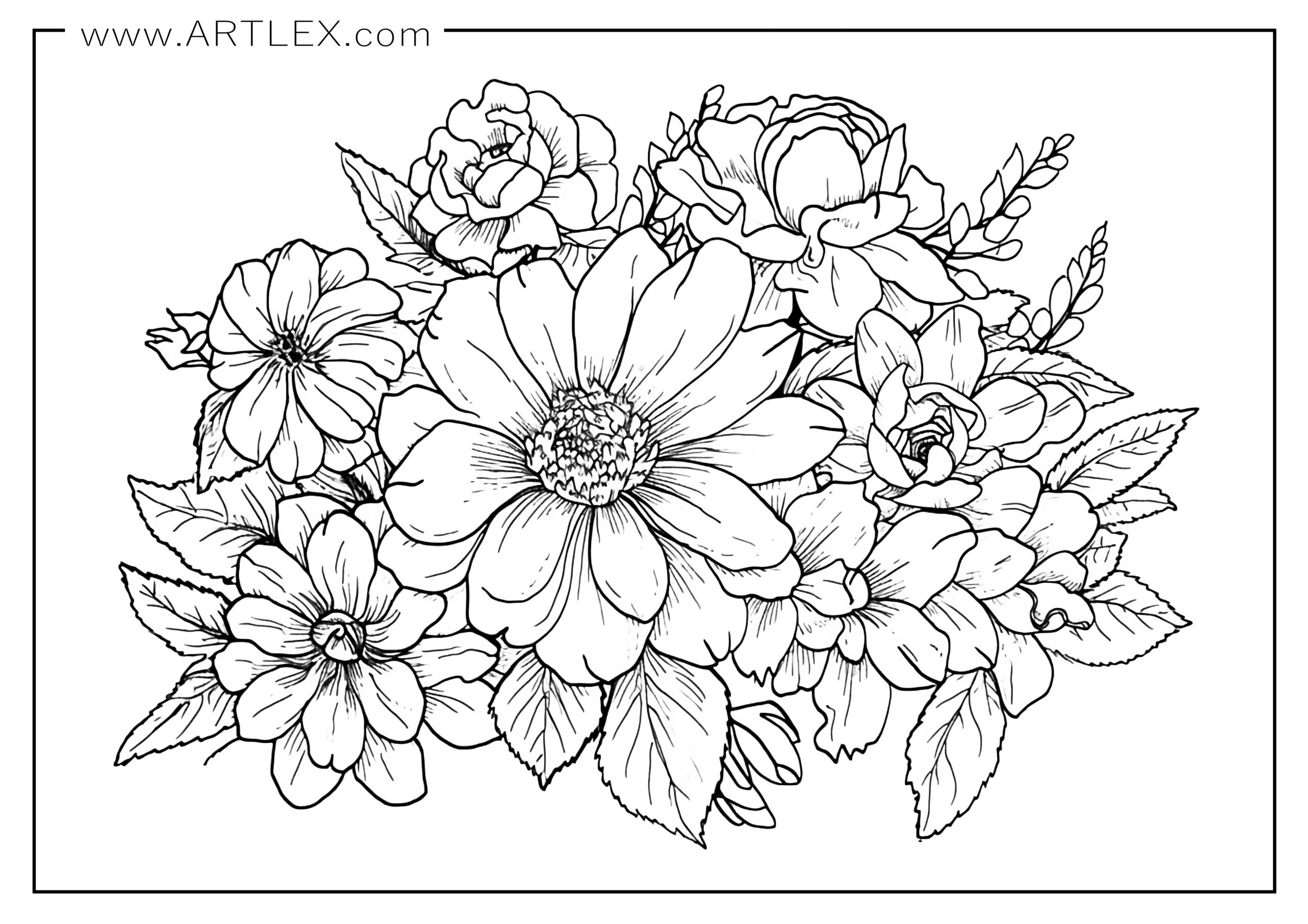
Lush Coloring Flowers Wallpaper Collection
Find inspiration with this unique coloring flowers illustration, crafted to provide a fresh look for your background.

Artistic Coloring Flowers View Photography
Immerse yourself in the stunning details of this beautiful coloring flowers wallpaper, designed for a captivating visual experience.
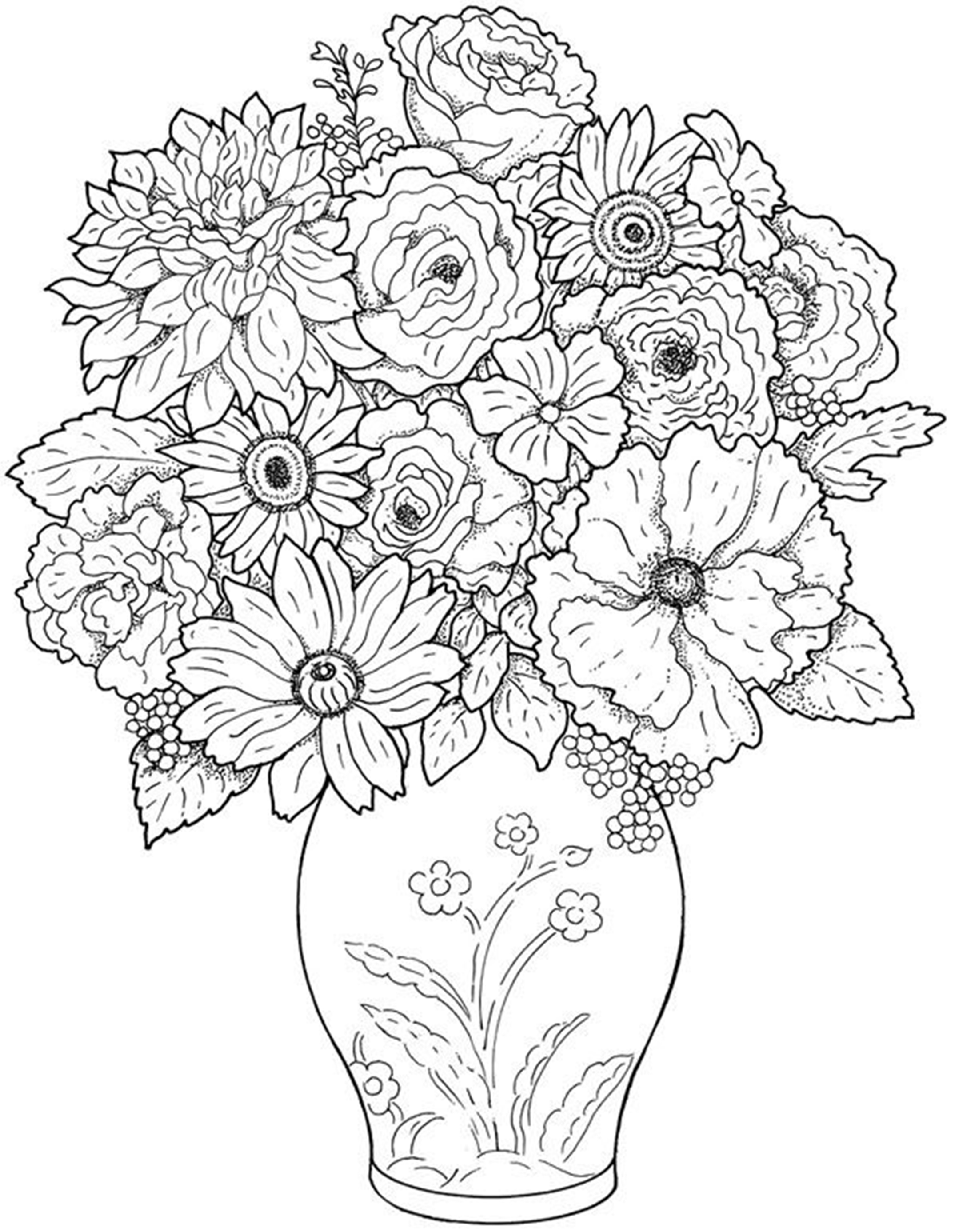
Detailed Coloring Flowers Design in 4K
Experience the crisp clarity of this stunning coloring flowers image, available in high resolution for all your screens.

Lush Coloring Flowers Abstract Nature
A captivating coloring flowers scene that brings tranquility and beauty to any device.
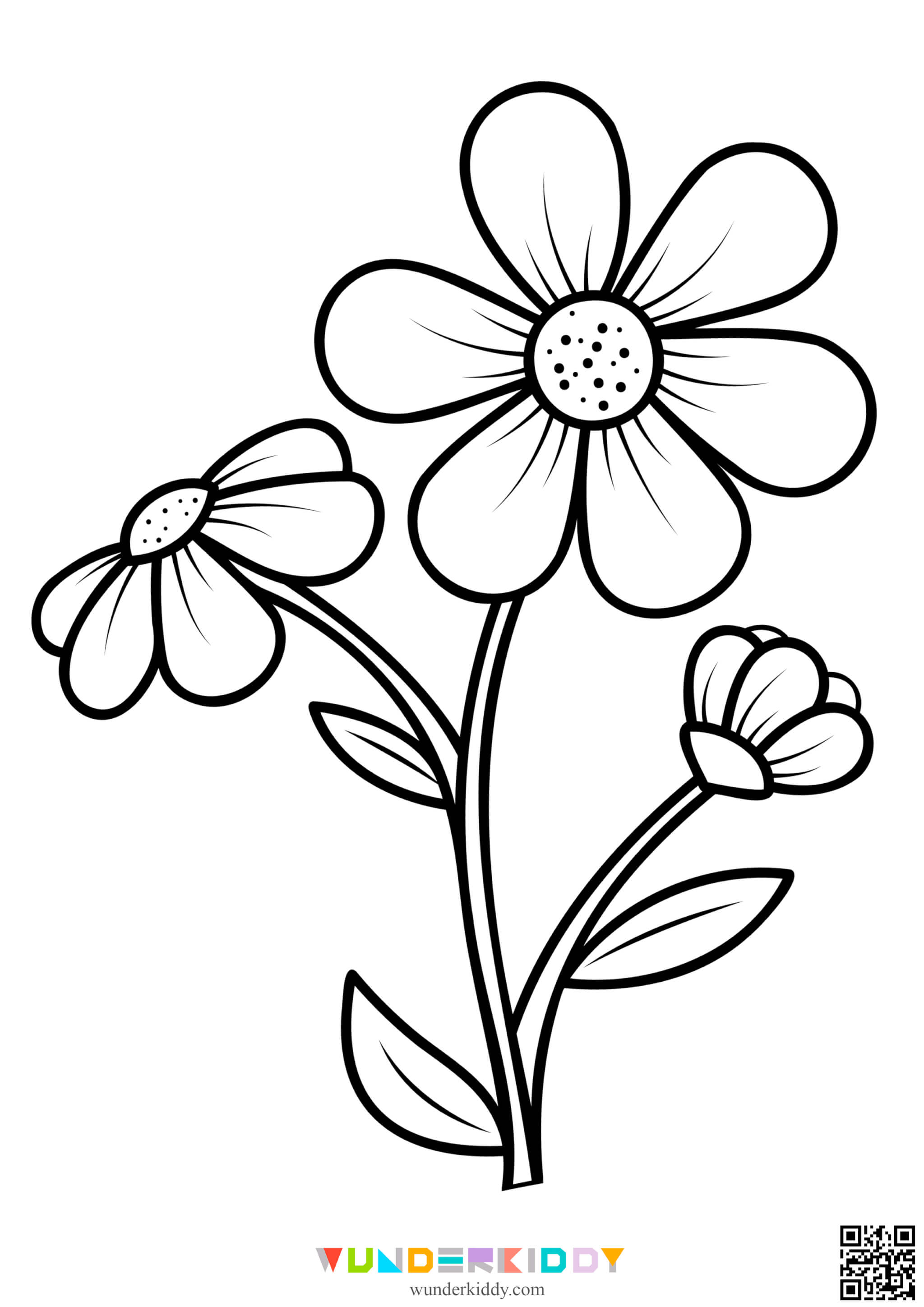
Exquisite Coloring Flowers Abstract Digital Art
This gorgeous coloring flowers photo offers a breathtaking view, making it a perfect choice for your next wallpaper.
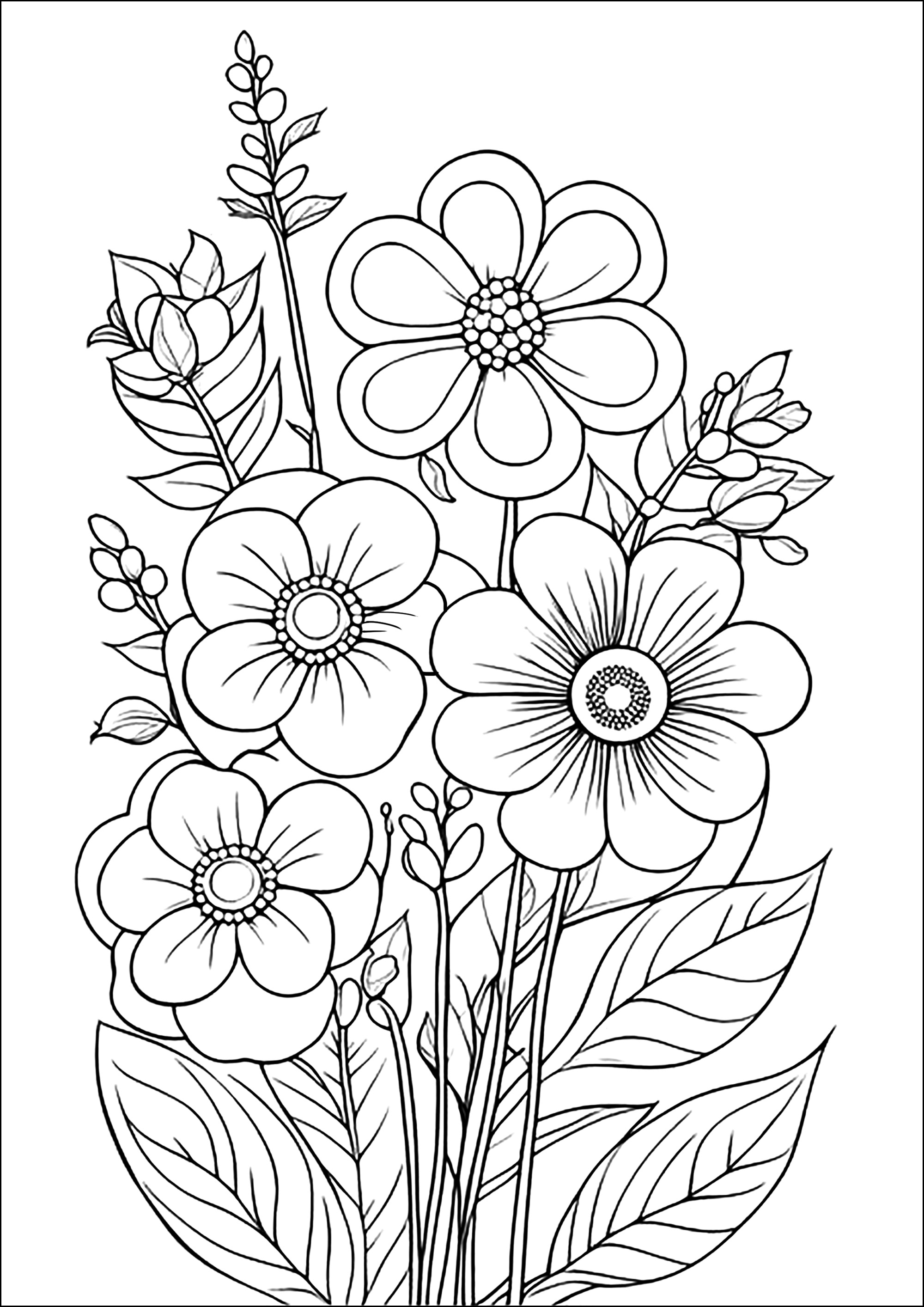
Artistic Coloring Flowers Photo in 4K
Find inspiration with this unique coloring flowers illustration, crafted to provide a fresh look for your background.
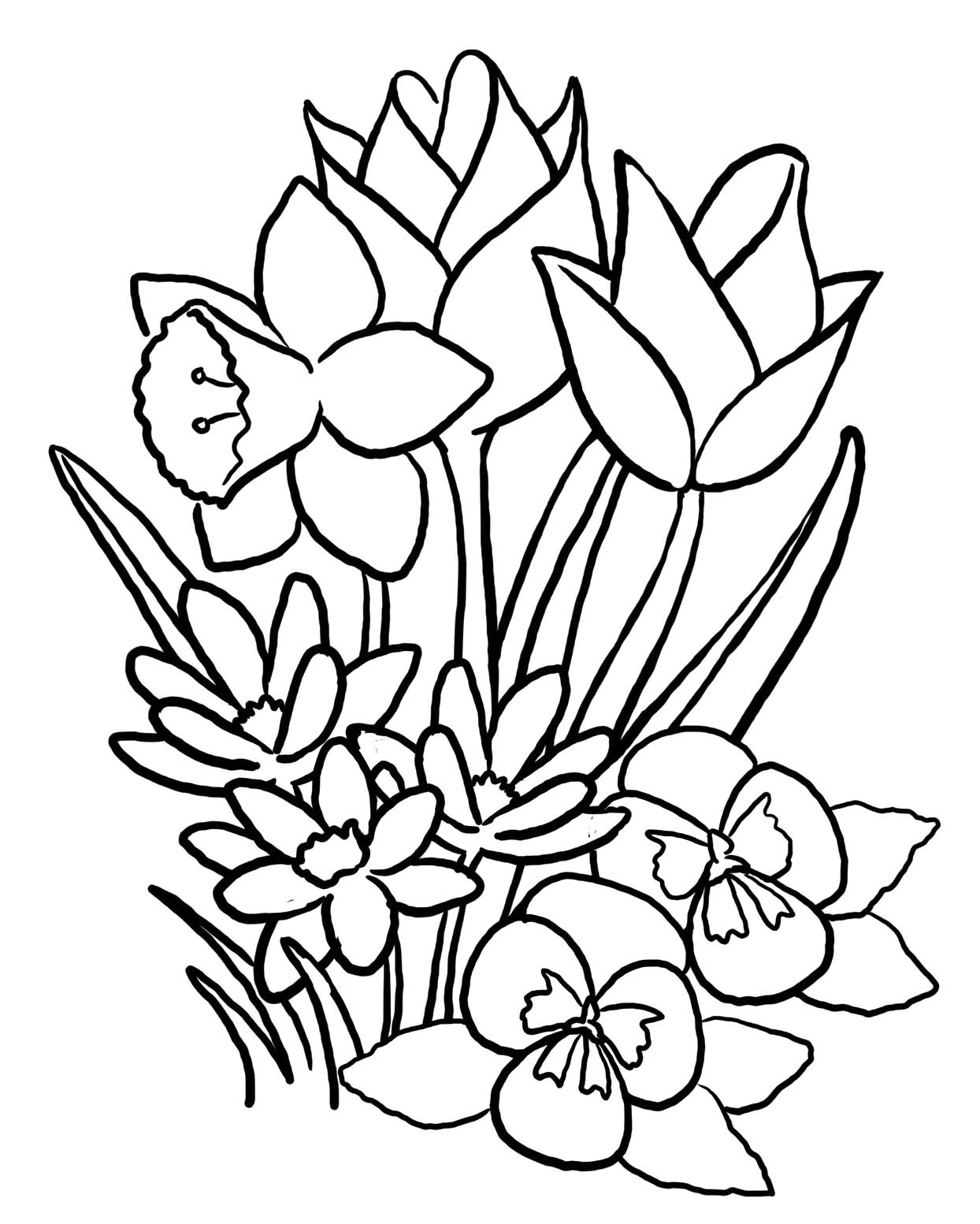
Breathtaking Coloring Flowers Capture Illustration
Experience the crisp clarity of this stunning coloring flowers image, available in high resolution for all your screens.

Vibrant Coloring Flowers Background Collection
Experience the crisp clarity of this stunning coloring flowers image, available in high resolution for all your screens.

Spectacular Coloring Flowers Capture Nature
This gorgeous coloring flowers photo offers a breathtaking view, making it a perfect choice for your next wallpaper.

Mesmerizing Coloring Flowers Image for Mobile
Experience the crisp clarity of this stunning coloring flowers image, available in high resolution for all your screens.
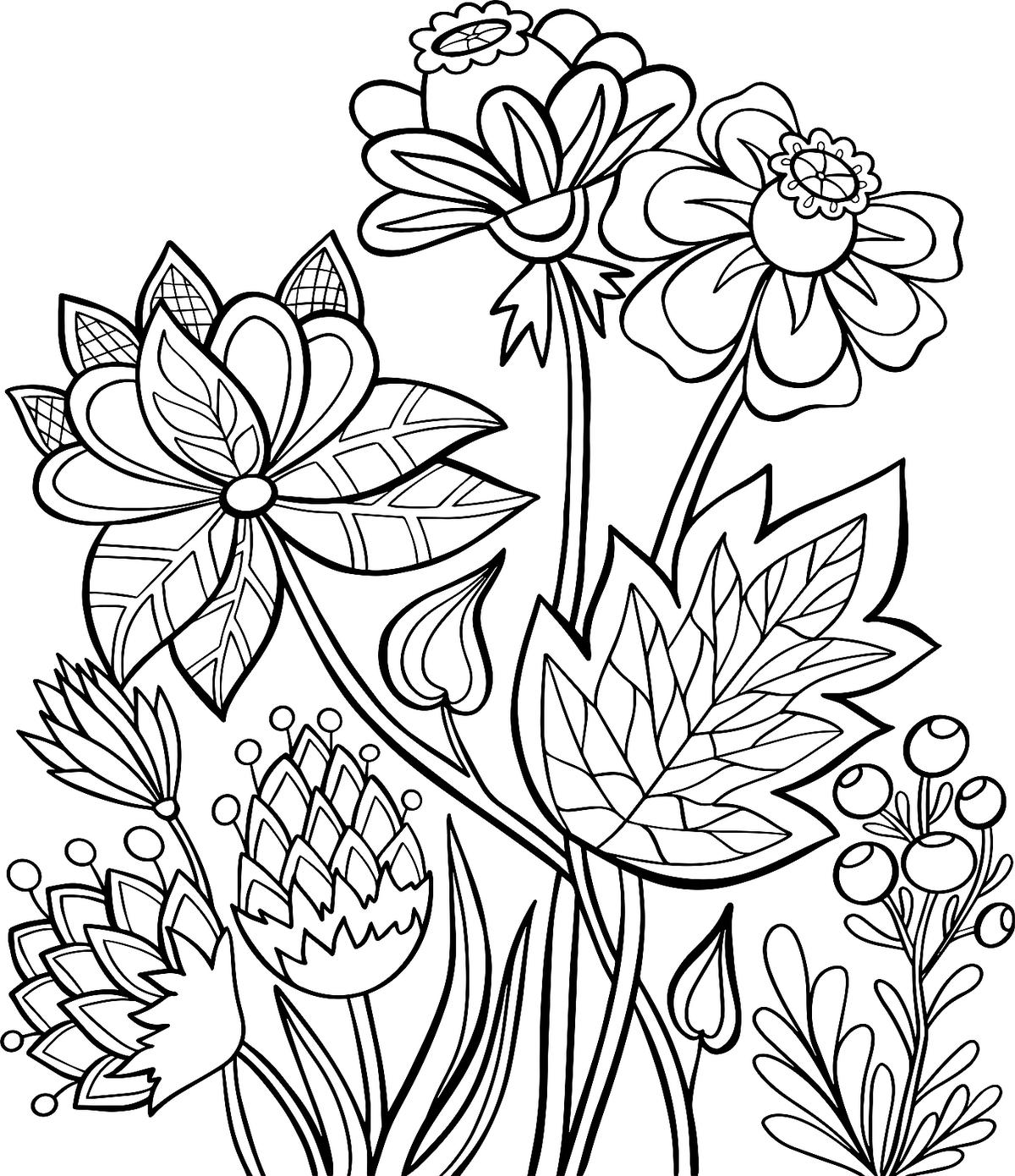
Dynamic Coloring Flowers Scene Illustration
Immerse yourself in the stunning details of this beautiful coloring flowers wallpaper, designed for a captivating visual experience.

Crisp Coloring Flowers Artwork in HD
Immerse yourself in the stunning details of this beautiful coloring flowers wallpaper, designed for a captivating visual experience.
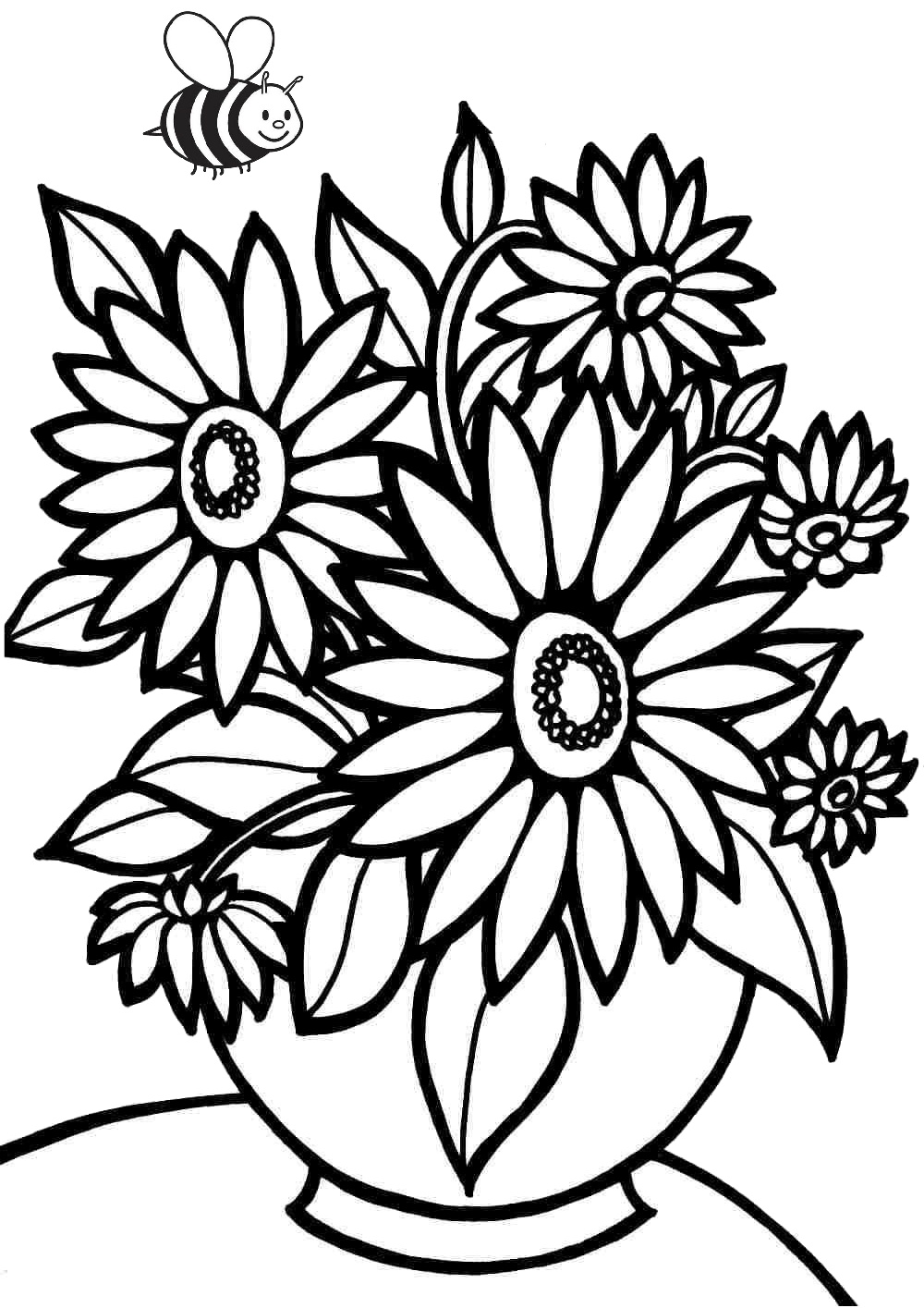
Dynamic Coloring Flowers Landscape for Your Screen
Find inspiration with this unique coloring flowers illustration, crafted to provide a fresh look for your background.
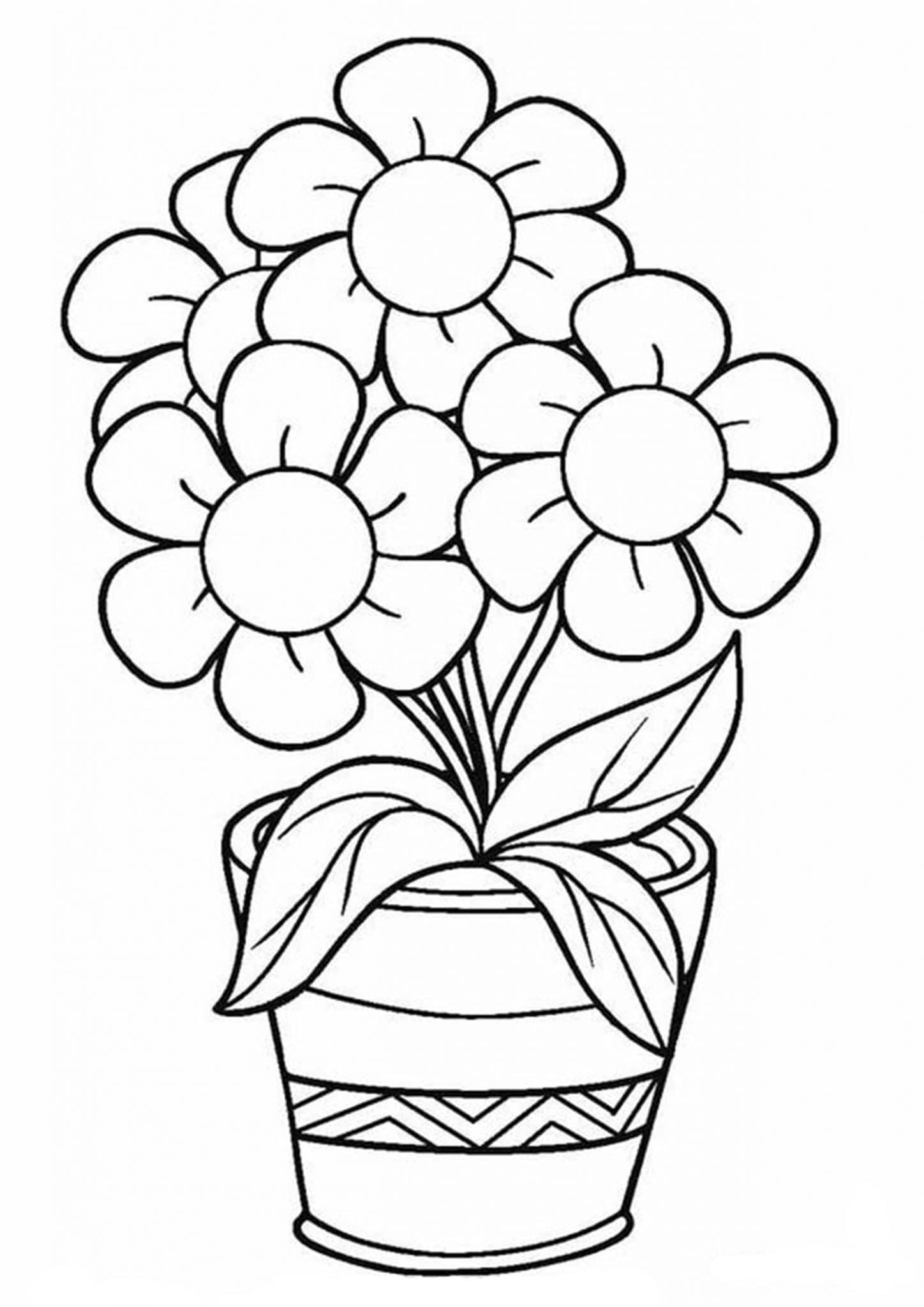
Detailed Coloring Flowers View Art
Explore this high-quality coloring flowers image, perfect for enhancing your desktop or mobile wallpaper.
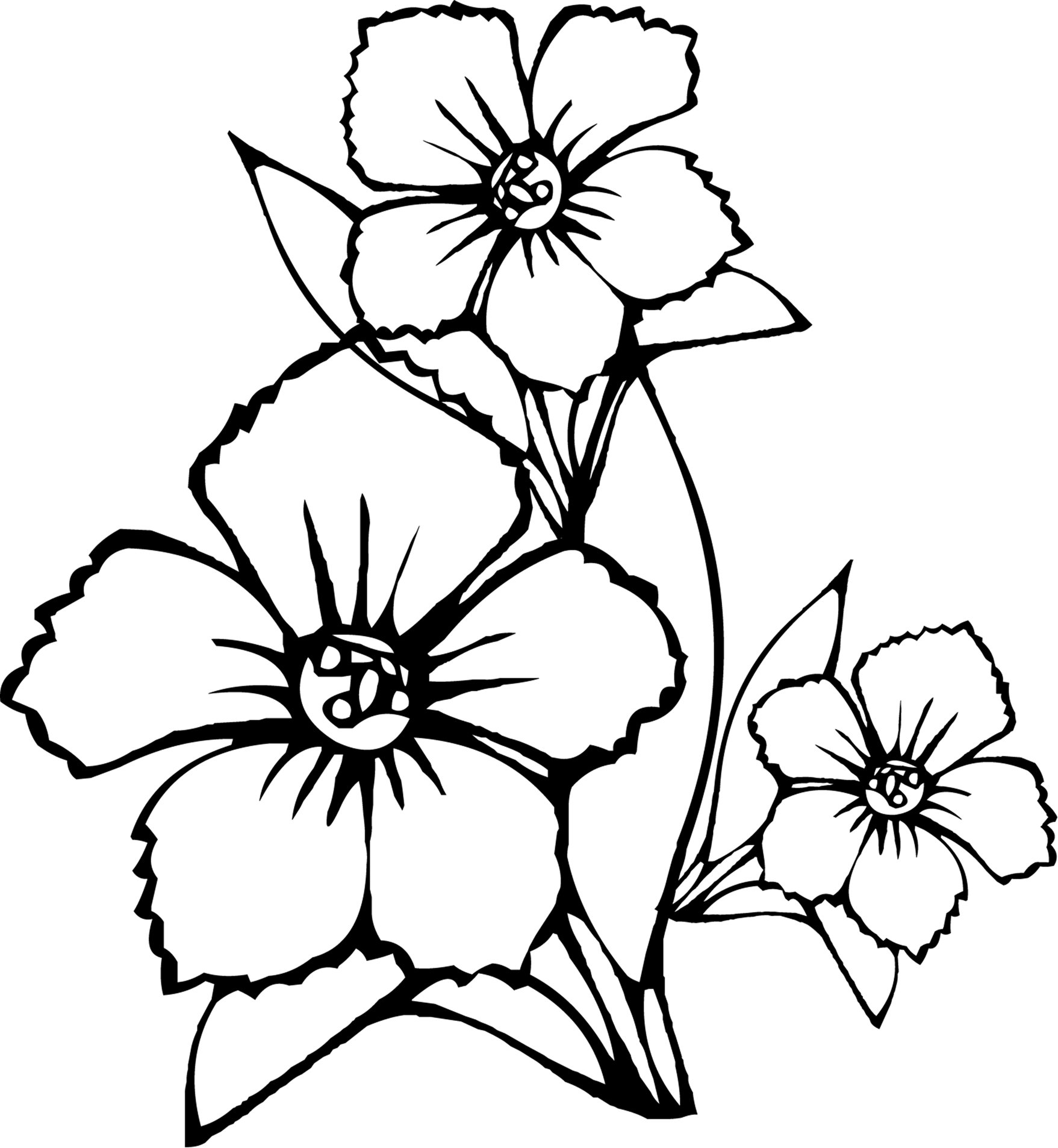
Captivating Coloring Flowers Image for Desktop
This gorgeous coloring flowers photo offers a breathtaking view, making it a perfect choice for your next wallpaper.

Spectacular Coloring Flowers Capture Illustration
Find inspiration with this unique coloring flowers illustration, crafted to provide a fresh look for your background.
Download these coloring flowers wallpapers for free and use them on your desktop or mobile devices.