Crayola History
Exploring the Vibrant World of Crayola History: A Timeline of Color
If you grew up in the Western world, chances are you have a memory tied to a small, brightly colored wax stick. Crayola isn't just a brand; it's a fundamental part of childhood creativity. But have you ever stopped to wonder how this global powerhouse of color started? The story of the company, known today simply as Crayola LLC, is a fascinating journey that spans over a century.
Understanding the full scope of Crayola History means going back to the late 1800s, long before markers and glitter glue dominated the art supply aisle. It's a story rooted in industrial chemistry, educational need, and a brilliant idea conceived by a supportive wife.
This article will take you through the key moments, the brilliant minds, and the vibrant innovations that cemented Crayola's place in our hearts and history books. Ready to dive into the colors?
The Founders and Early Days of Binney & Smith
The company we know as Crayola officially began as Binney & Smith, founded by cousins Edwin Binney and C. Harold Smith. They initially took over Edwin's father's pigment business in 1885, focusing primarily on industrial products like red oxide pigment and carbon black—materials used for industrial purposes, not necessarily for fine art.
At the turn of the century, however, the educational landscape was changing. There was a growing demand for safe, affordable art supplies for American schoolchildren. Most existing art materials were either too expensive, imported, or contained toxic ingredients, presenting a real problem for teachers.
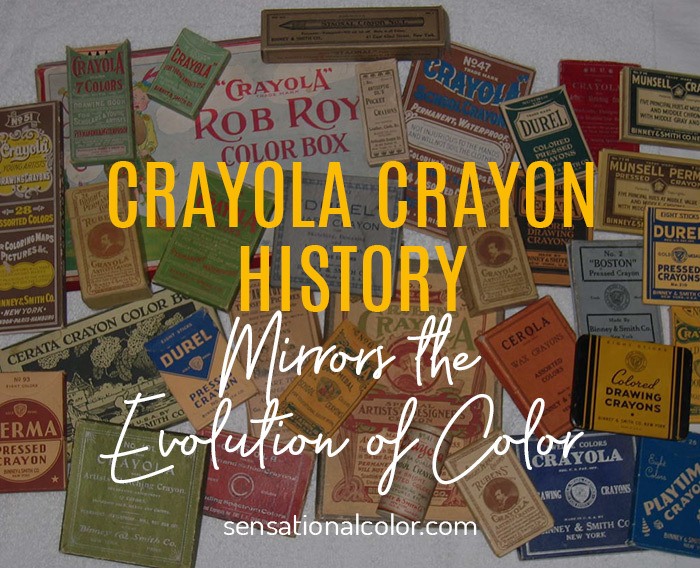
Binney & Smith recognized this gap in the market. They were already experts in pigments and powders, so transitioning to consumer-grade art supplies was a logical next step. They first started producing slate pencils and dustless chalk, which won a gold medal at the 1904 St. Louis World's Fair.
The Birth of the Crayon: Naming the Future
While chalk solved one problem, creating vibrant, smear-proof, non-toxic coloring tools was the bigger challenge. In 1903, Binney & Smith successfully manufactured the first box of wax crayons. This set, priced at just five cents, contained the basic colors: black, brown, blue, red, purple, orange, yellow, and green.
But what about the iconic name? That credit goes to Alice Binney, Edwin's wife and a former schoolteacher. She brilliantly combined two French words:
- Craie (meaning chalk)
- Oléagineux (or simply *ola*, meaning oily)
The result? Crayola! It was the perfect description for their new product—a stick of chalk made from waxy, oily material. And thus, a brand legend was born, forever changing the trajectory of Crayola History.
Key Milestones in Crayola History and Product Growth
After the initial success of the eight-pack, Crayola didn't rest on its laurels. The company understood that creativity thrives on choice and complexity. Over the decades, they consistently expanded their product line, not just in volume but in technological advancement.
Expanding the Spectrum: Color Innovations
The commitment to color innovation is perhaps the defining thread in Crayola History. The company quickly moved past basic primary and secondary shades, introducing nuanced and playful names that became instantly recognizable.
Do you remember the excitement of getting a bigger box? That was intentional. Crayola continually updated its offerings to match the growing sophistication of the consumer market.
- 1903: The original 8-color box debuts.
- 1949: The iconic 48-count box is introduced, expanding the artistic possibilities for many children.
- 1958: The revolutionary 64-count box hits the market, featuring a built-in sharpener—a defining feature that made this box legendary. Colors like "Periwinkle" and "Macaroni and Cheese" began entering the lexicon.
- 1993: The big 96-count box debuts, followed by the monstrous 120-count and 150-count sets, offering every shade imaginable.
Beyond quantity, Crayola has also had to face cultural shifts. In 1962, they renamed a crayon originally called "Flesh" to "Peach," acknowledging that human skin comes in countless shades—a small but meaningful step toward inclusion that predated many modern diversity initiatives.
The Introduction of Washable Markers
The 1970s marked a pivotal diversification for the brand. While crayons were their bread and butter, the rise of felt-tip pens and markers presented a new challenge. Crayola responded by launching their own line of markers, but with a unique selling proposition aimed directly at parents: washability.
The invention of washable markers in 1987 was a game-changer. Suddenly, the fear of permanent stains on clothing, furniture, and walls vanished, allowing children to experiment with vibrant ink colors without parental supervision turning into immediate panic. This innovation solidified Crayola's role as a trusted partner for families.
Factory Tours and Community Connection
Crayola also recognized the importance of connecting directly with its audience. In the mid-1990s, they established the Crayola Factory (now known as the Crayola Experience) in Easton, Pennsylvania, the company's long-time home. This interactive center allowed children and adults to witness how crayons and markers are made, cementing the brand's transparent and joyful image.
This commitment to community outreach reinforces the nostalgic quality of Crayola History. It turned the simple act of coloring into a full, immersive, and educational experience.
The Impact and Legacy of Crayola
Today, Crayola is a subsidiary of Hallmark Cards, having been acquired in 1984. Despite changes in ownership and massive expansion into digital media and complex craft kits, the core mission remains the same: inspiring creative expression. They produce billions of crayons annually, an astronomical number illustrating their dominance.
The brand's cultural impact is immense. Crayola names are so recognizable that they are often used as shorthand for specific colors, far surpassing standard technical color names. Think "Blush" or "Forest Green."
Key contributions of Crayola:
- Accessibility: Making high-quality, non-toxic art supplies available to every child, regardless of economic background.
- Education: Providing essential tools for early development, enhancing motor skills and color recognition in classrooms worldwide.
- Innovation: Constantly adapting products, from inventing the built-in sharpener to pioneering washable ink technology.
- Cultural Dialogue: Sparking important conversations about diversity and representation through their expanded "Colors of the World" skin-tone range introduced in 2020.
From a small industrial pigment manufacturer to a global icon, the journey chronicled in Crayola History is truly remarkable. It shows that sometimes, the simplest tools can have the most profound impact on the world.
***
Conclusion: The Enduring Charm of Crayola History
The story of Crayola is one of simple necessity meeting extraordinary ingenuity. Starting with just eight basic colors in 1903, Edwin Binney and C. Harold Smith, guided by Alice Binney's naming genius, created a product that transcended utility to become a cultural touchstone. Every development, from the 64-pack to washable markers, was focused on empowering the user.
We hope this deep dive into Crayola History has given you a fresh appreciation for that little box of color. It reminds us that sometimes, the best way to change the world is one colorful drawing at a time. So next time you pick up a "Screamin' Green" crayon, remember the century of innovation it represents.
Frequently Asked Questions (FAQ) About Crayola History
- Where did the name "Crayola" come from?
- The name "Crayola" was coined by Alice Binney, wife of co-founder Edwin Binney. It is a combination of the French word craie (chalk) and oléagineux or ola (oily, referring to the wax).
- When did Crayola first introduce its crayons?
- The first box of eight Crayola crayons was introduced in 1903. This set was affordable and non-toxic, addressing a significant need in American schools at the time.
- Is Crayola still owned by the original founding family?
- No. The company, originally known as Binney & Smith, was acquired by Hallmark Cards in 1984. It operates today as Crayola LLC, a fully-owned subsidiary of Hallmark.
- What was the significance of the 64-count box?
- Introduced in 1958, the 64-count box was revolutionary because it offered a vastly expanded color palette and featured a built-in sharpener, which made it highly practical and iconic for a generation of children.
Crayola History
Crayola History Wallpapers
Collection of crayola history wallpapers for your desktop and mobile devices.

Mesmerizing Crayola History Artwork Nature
Discover an amazing crayola history background image, ideal for personalizing your devices with vibrant colors and intricate designs.

Captivating Crayola History Design Digital Art
Find inspiration with this unique crayola history illustration, crafted to provide a fresh look for your background.
Spectacular Crayola History Background in 4K
Find inspiration with this unique crayola history illustration, crafted to provide a fresh look for your background.

Vibrant Crayola History Abstract Illustration
Explore this high-quality crayola history image, perfect for enhancing your desktop or mobile wallpaper.
Amazing Crayola History Picture Illustration
Discover an amazing crayola history background image, ideal for personalizing your devices with vibrant colors and intricate designs.

Vibrant Crayola History Capture Concept
Transform your screen with this vivid crayola history artwork, a true masterpiece of digital design.
Artistic Crayola History Artwork for Mobile
Find inspiration with this unique crayola history illustration, crafted to provide a fresh look for your background.
Mesmerizing Crayola History Photo Nature
Discover an amazing crayola history background image, ideal for personalizing your devices with vibrant colors and intricate designs.
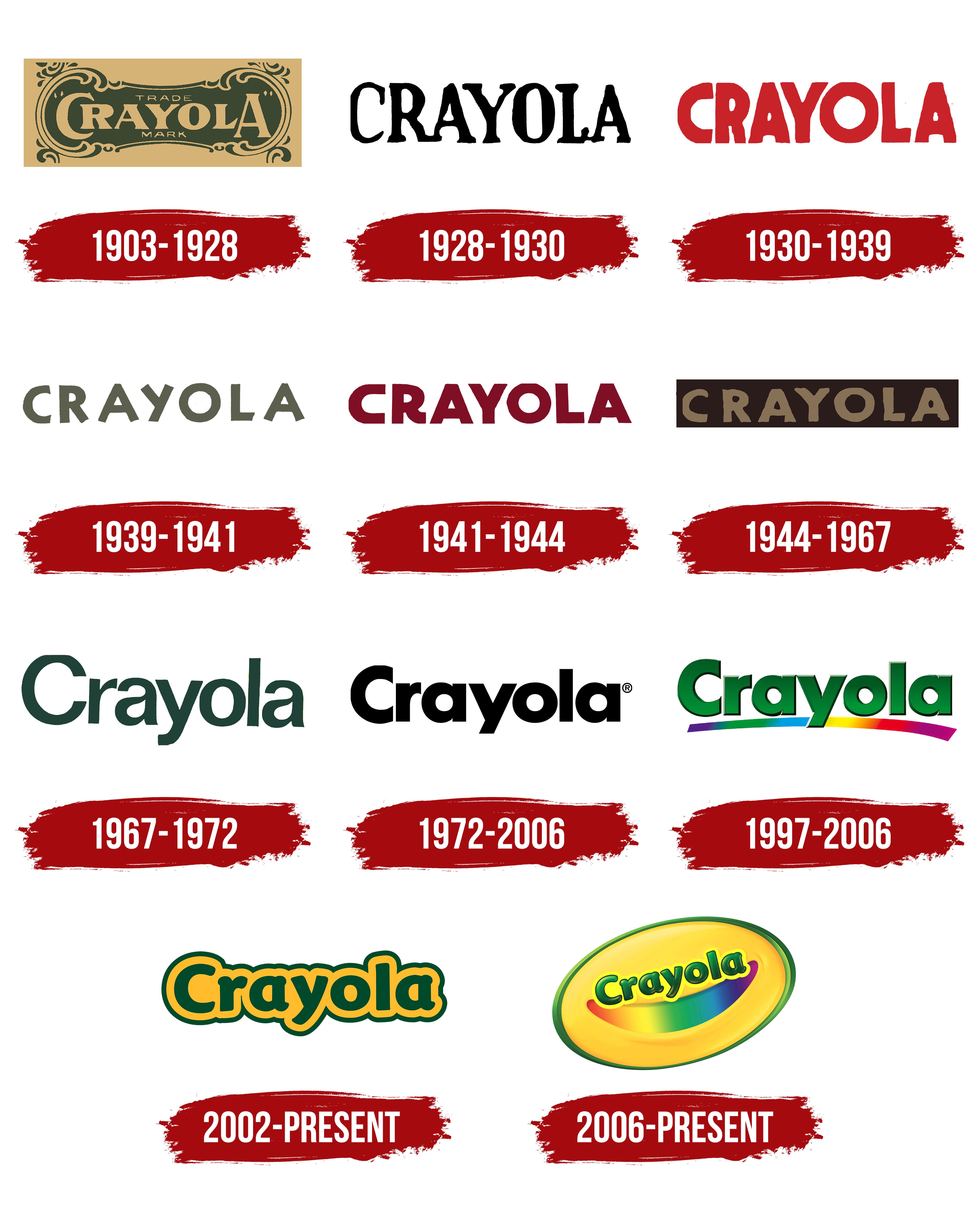
Detailed Crayola History Moment Art
Transform your screen with this vivid crayola history artwork, a true masterpiece of digital design.
Lush Crayola History Photo for Mobile
A captivating crayola history scene that brings tranquility and beauty to any device.

Stunning Crayola History Background Concept
Find inspiration with this unique crayola history illustration, crafted to provide a fresh look for your background.
Gorgeous Crayola History Picture Art
Find inspiration with this unique crayola history illustration, crafted to provide a fresh look for your background.
Vibrant Crayola History Abstract in 4K
Experience the crisp clarity of this stunning crayola history image, available in high resolution for all your screens.
Detailed Crayola History Picture in HD
Transform your screen with this vivid crayola history artwork, a true masterpiece of digital design.

Spectacular Crayola History Artwork in HD
This gorgeous crayola history photo offers a breathtaking view, making it a perfect choice for your next wallpaper.
Vivid Crayola History Photo Digital Art
Transform your screen with this vivid crayola history artwork, a true masterpiece of digital design.
Spectacular Crayola History Photo for Mobile
Find inspiration with this unique crayola history illustration, crafted to provide a fresh look for your background.
Vivid Crayola History Landscape for Desktop
Experience the crisp clarity of this stunning crayola history image, available in high resolution for all your screens.
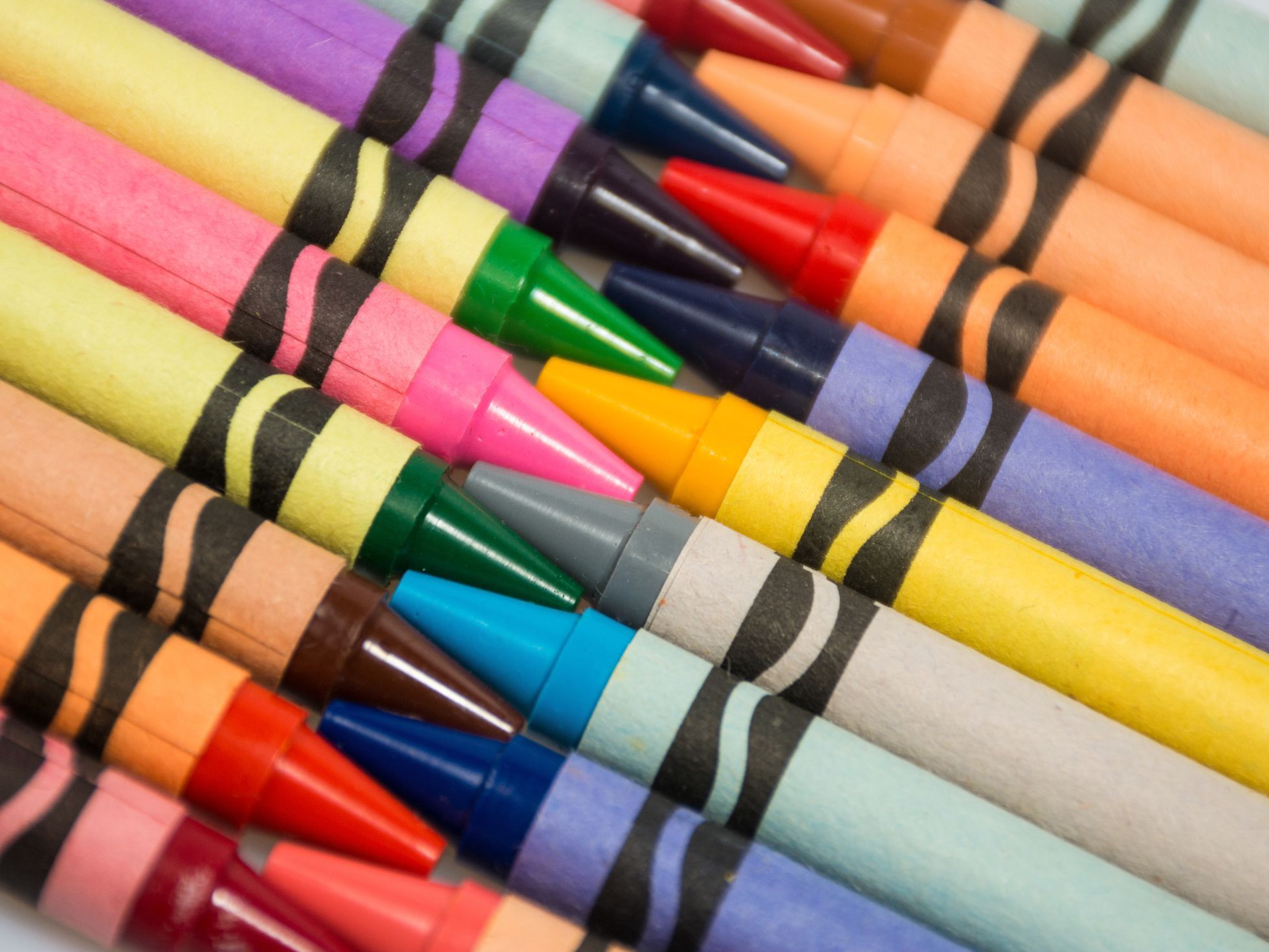
Dynamic Crayola History Artwork Photography
Find inspiration with this unique crayola history illustration, crafted to provide a fresh look for your background.
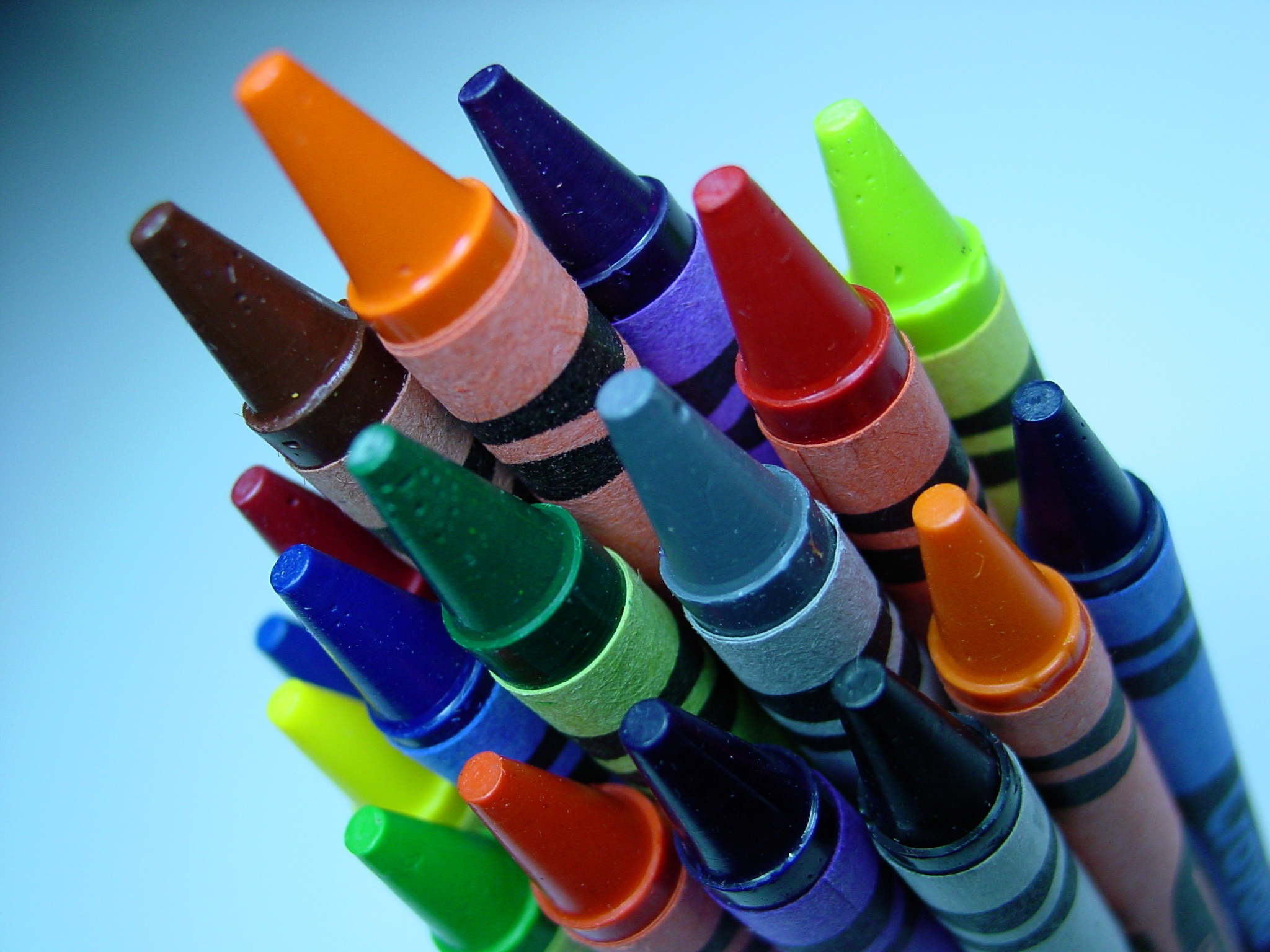
Stunning Crayola History Background Art
Immerse yourself in the stunning details of this beautiful crayola history wallpaper, designed for a captivating visual experience.
Download these crayola history wallpapers for free and use them on your desktop or mobile devices.