Crayola Texture
Crayola Texture: Unleashing the Secret to Amazing Art
Hey there, fellow creators! Have you ever wondered what makes certain crayon drawings pop while others fall flat? Often, the difference isn't just about the colors you choose, but how you handle the subtle, yet powerful, element of Crayola texture. Texture is the secret sauce that brings depth, realism, and a tactile feel to your artwork.
If you thought crayons were only good for simple coloring book outlines, prepare to be amazed. By manipulating the unique waxy composition of Crayola products, you can introduce incredible visual interest into your drawings. This comprehensive guide will dive deep into everything you need to know about mastering Crayola texture, turning your simple sketches into masterpieces.
What Exactly is Crayola Texture?
In the world of art, texture refers to the way a surface feels or looks like it would feel. When we talk about Crayola texture, we are usually discussing the visual surface quality achieved by applying the crayon, whether it's the smooth, glossy finish of a heavy layer or the rough, granulated look of a light application.
Crayola crayons are primarily composed of wax and pigment. Because wax is relatively soft, it responds beautifully to pressure, temperature, and underlying surfaces. This responsiveness is what allows artists—from children to professionals—to create a wide variety of textural effects that make their images compelling.
The Different Types of Crayola Textures
You can categorize the textures achieved with Crayola into two main groups: implied texture and actual physical texture. Implied texture is what you draw (like making a cloud look fluffy), while physical texture involves the actual relief created on the paper.
Let's look at some common textures you can achieve:
- Smooth (Burnishing): This happens when you apply heavy, even pressure, causing the wax to melt slightly and fill the tooth (small dips) of the paper, resulting in a shiny, polished finish. This technique completely hides the paper's original texture.
- Grainy (Light Hatching): Achieved by using light, quick strokes, leaving the white of the paper or the under-layers visible. This technique highlights the paper's tooth, creating a rough, granulated look, perfect for sand or stone.
- Impasto (Thick Layering): Though not strictly "impasto" like oil paint, layering wax heavily can create a visible relief on the paper surface. This thick application adds actual physical texture to your drawing.
- Stippled/Dotted: Using the very tip of the crayon in quick tapping motions creates a dotted or stippled texture, fantastic for capturing foliage or rough soil.
Why Texture Matters in Wax Crayon Art
Texture is vital for giving two-dimensional art a sense of reality and weight. Think about a drawing of an orange versus a drawing of a pane of glass. Without careful attention to texture, both might look flat and indistinguishable.
A successful use of Crayola texture helps define form, differentiates materials, and guides the viewer's eye. It adds complexity and sophistication, transforming a simple colored area into a recognizable material, whether it's the sleek smoothness of metal or the fuzzy warmth of wool.
Mastering Crayola Texture Techniques
Ready to move beyond basic coloring? Achieving dynamic textures requires specific techniques that exploit the physical properties of the wax crayon. These methods are fun, easy to learn, and immediately elevate the quality of your work.
Crayon Rubbing (Frottage) Explained
Frottage, derived from the French word "frotter" (to rub), is perhaps the most straightforward way to introduce texture using Crayola products. This technique involves placing your paper over a textured object and rubbing the side of a peeled crayon across the surface.
The wax catches the raised parts of the object's surface, transferring its physical texture directly onto your page. This is fantastic for adding immediate, realistic texture like wood grain, concrete, or fabric patterns. Remember to hold the crayon on its side, not the tip, and apply light, even pressure for the best results.
Sgraffito: Scratching Away the Layers
Sgraffito, meaning "to scratch," is a dramatic technique perfect for creating sharp lines and highly textured areas. It works by layering dark colors over lighter colors (or vice versa) and then scratching through the top layer to reveal the color underneath.
Start by laying down a solid base layer of a light, bright color (like yellow or white). Then, cover it completely with a thick, dark layer (black or navy blue). Once the top layer is applied, use a sharp, non-damaging tool—like a paper clip, skewer, or the back end of a paintbrush—to scratch patterns, lines, or details. This method is amazing for simulating hair, grasses, or detailed architectural elements.
Combining Techniques for Dynamic Crayola Texture
The real magic happens when you stop seeing these techniques as separate entities and start combining them. For instance, you could use frottage to lay down a bumpy background texture, then use burnishing in the foreground to create a smooth contrast.
Alternatively, you can integrate Sgraffito lines over an area that has been lightly textured with stippling. This interplay between smooth, rough, deep, and shallow textures is what creates truly dynamic and engaging artwork. Don't be afraid to experiment with layering your favorite Crayola colors!
Choosing the Right Crayola Products for Texture
While standard Crayola crayons are excellent for texture, the brand offers several different formulations that might work better depending on the effect you desire. The hardness and wax consistency will significantly affect how easy it is to layer and scratch.
Here's a quick guide to some popular options and how they impact Crayola texture:
- Standard Wax Crayons: These are the classic workhorses. They are soft enough for easy blending and burnishing, yet firm enough to hold their point for stippling. They are ideal for general frottage and heavy layering.
- Crayola Twistables: Since they don't require peeling, Twistables are convenient. Their composition is often slightly firmer than standard crayons, which makes them great for detailed scratching techniques (Sgraffito) where you need precise lines.
- Crayola Portfolio Series Oil Pastels: While technically oil pastels, they are often used similarly to crayons. Oil pastels are significantly softer and creamier than wax crayons, making them superb for incredibly rich, thick impasto textures and seamless blending, though they are less suited for fine line rubbing.
- Washable Crayons: These are softer and designed to lift easily from surfaces. If you want a subtle, powdery texture that can be blended with water, these are a fun option, but they are not recommended for deep, heavy layering techniques like Sgraffito due to their easy lift-off quality.
Remember, the paper you choose also plays a major role! Rougher drawing paper (paper with a higher "tooth") will naturally enhance grainy textures, while smooth Bristol board will make burnishing and smooth layering easier.
Conclusion
Mastering Crayola texture is about understanding how the wax interacts with the physical world, be it the underlying paper, a textured object beneath it, or the layers of crayon already applied. Whether you choose the dynamic simplicity of frottage, the dramatic impact of Sgraffito, or careful layering and burnishing, incorporating varied textures instantly takes your art to a higher level.
So next time you pick up that box of Crayola crayons, don't just color in the lines—experiment! Play with pressure, explore different materials beneath your paper, and discover the fantastic range of tactile effects you can create. Your artistic journey just got a lot more textured!
Frequently Asked Questions About Crayola Texture (FAQ)
- What is the easiest way to add texture with Crayola crayons?
- The easiest method is Crayon Rubbing (Frottage). Simply place your paper over a rough surface (like a sidewalk, leaf, or screen) and rub the side of a peeled crayon over the paper to lift the pattern.
- Can I use heat to manipulate Crayola texture?
- Yes, absolutely! Melting crayons, often done with a hairdryer or iron (under careful adult supervision), creates entirely new textures—usually glossy, liquid, or highly blended effects. This is a great way to explore abstract texture.
- Why does my paper keep tearing when I try Sgraffito?
- Paper tears during Sgraffito usually because the base layers are too thin or you are using a tool that is too sharp (like a sewing needle) or applying too much pressure. Ensure you use quality, thick paper and a duller tool, like a wooden skewer or paperclip end, to scratch gently through the top layer only.
- Does the brand of crayon significantly affect the resulting texture?
- While Crayola offers reliable quality, yes, the brand and formulation matter. Cheaper crayons often contain less pigment and more fillers, resulting in a duller, chalkier texture that is harder to layer smoothly or burnish effectively. High-quality crayons tend to be smoother and richer for superior layering.
Crayola Texture
Crayola Texture Wallpapers
Collection of crayola texture wallpapers for your desktop and mobile devices.
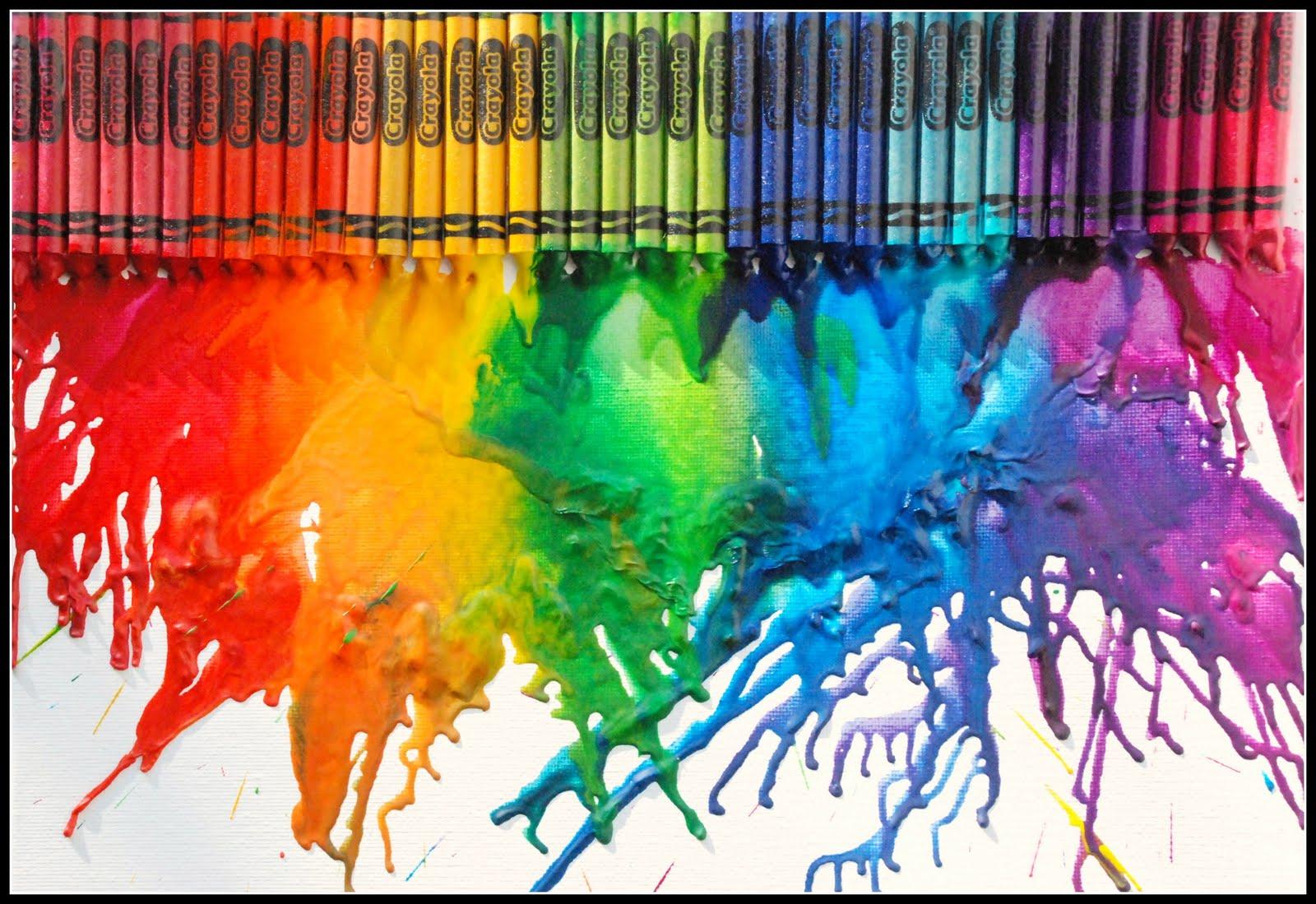
Stunning Crayola Texture Image Art
Immerse yourself in the stunning details of this beautiful crayola texture wallpaper, designed for a captivating visual experience.
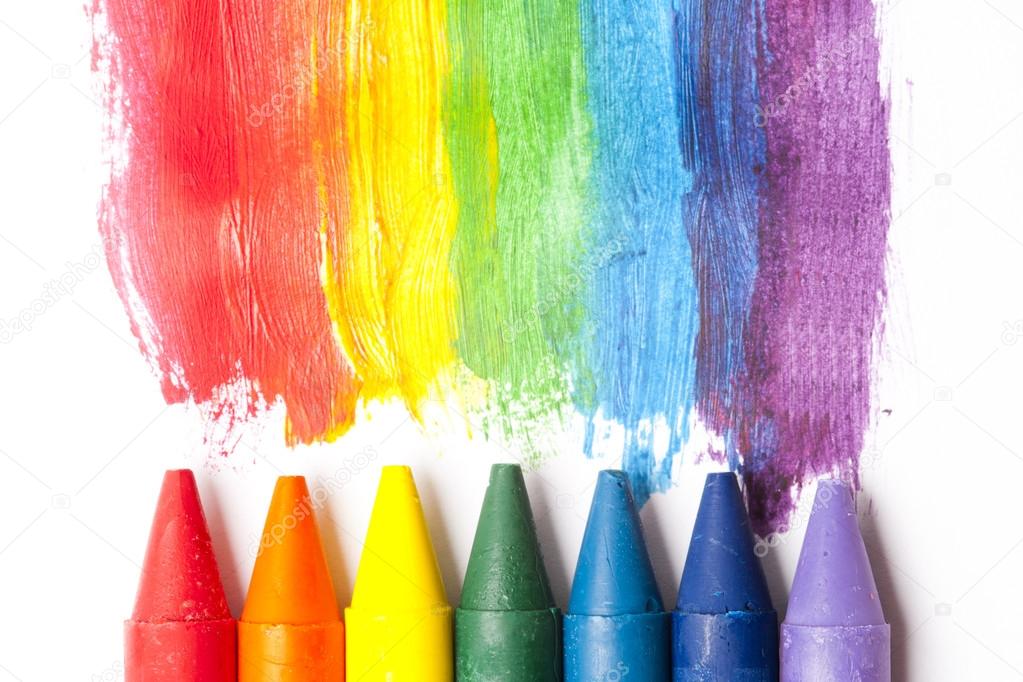
High-Quality Crayola Texture Photo Art
Explore this high-quality crayola texture image, perfect for enhancing your desktop or mobile wallpaper.
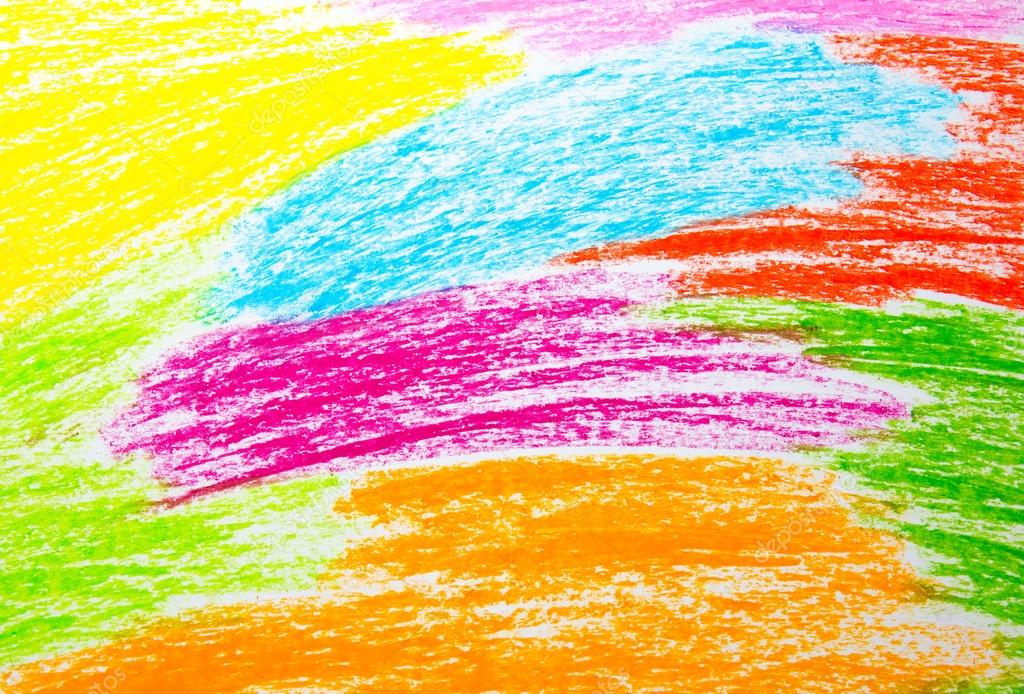
Vivid Crayola Texture Landscape Photography
Transform your screen with this vivid crayola texture artwork, a true masterpiece of digital design.
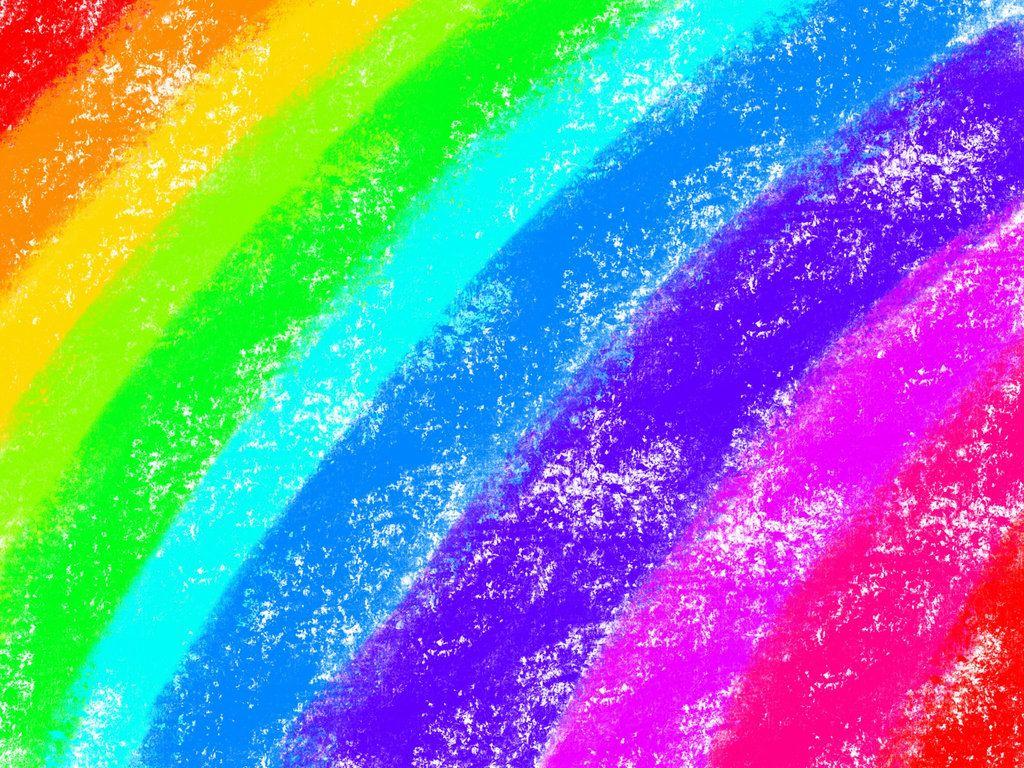
Captivating Crayola Texture Scene Concept
Find inspiration with this unique crayola texture illustration, crafted to provide a fresh look for your background.
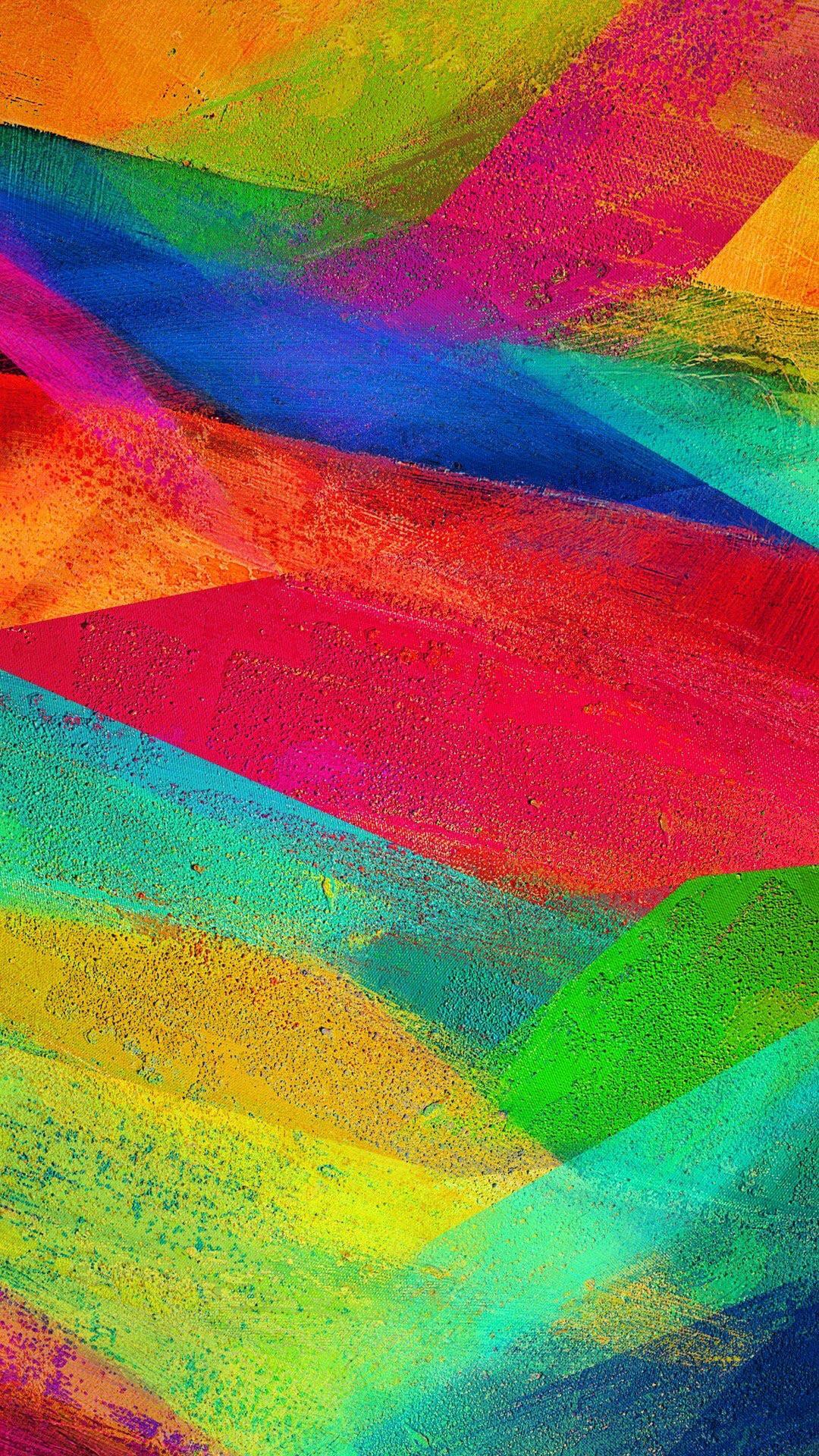
High-Quality Crayola Texture Picture Concept
Explore this high-quality crayola texture image, perfect for enhancing your desktop or mobile wallpaper.
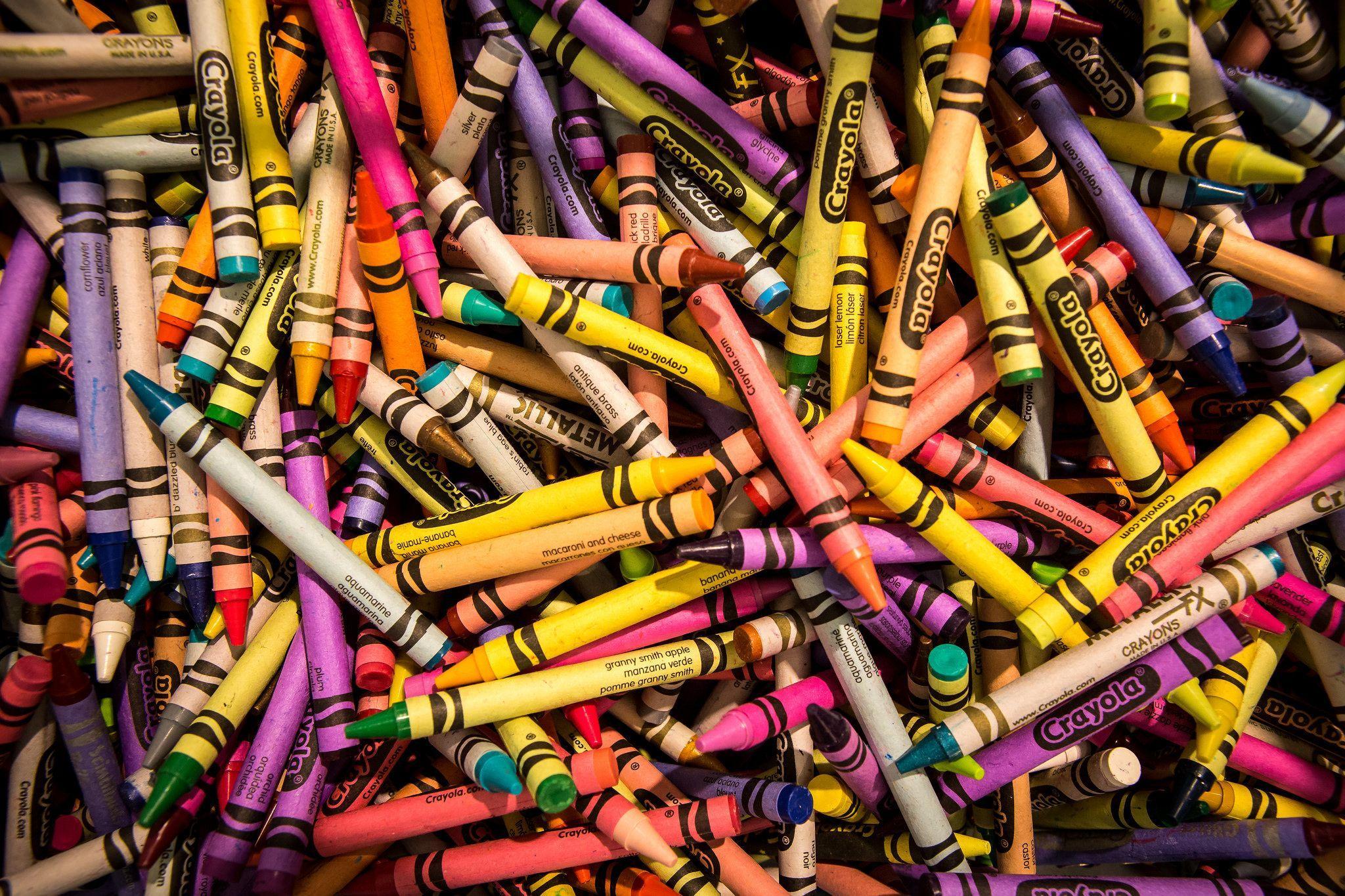
Amazing Crayola Texture Picture Illustration
Discover an amazing crayola texture background image, ideal for personalizing your devices with vibrant colors and intricate designs.
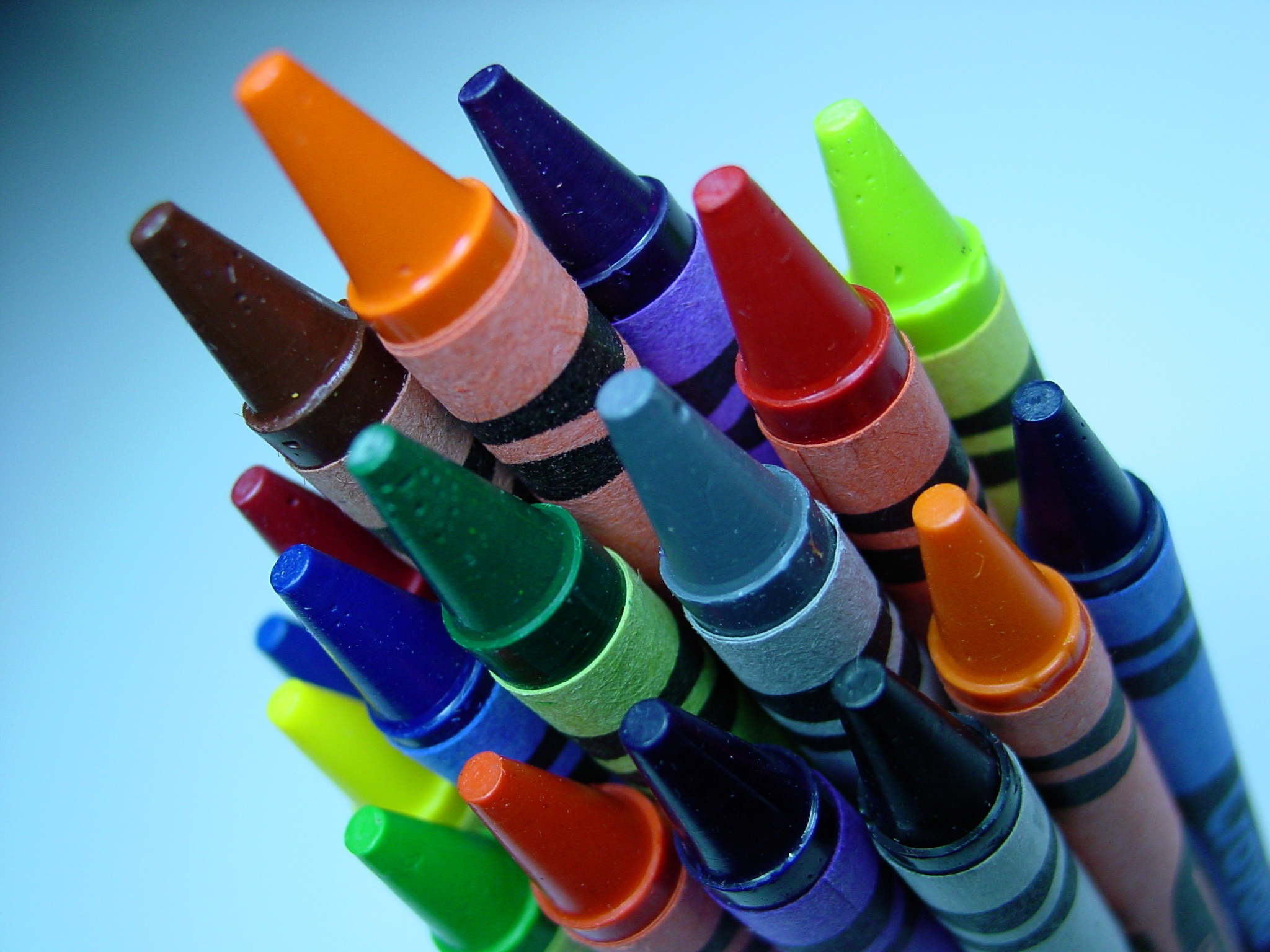
Stunning Crayola Texture Background Art
Immerse yourself in the stunning details of this beautiful crayola texture wallpaper, designed for a captivating visual experience.
Gorgeous Crayola Texture Picture Art
Find inspiration with this unique crayola texture illustration, crafted to provide a fresh look for your background.

Detailed Crayola Texture Capture Collection
Explore this high-quality crayola texture image, perfect for enhancing your desktop or mobile wallpaper.

Mesmerizing Crayola Texture Wallpaper Collection
Explore this high-quality crayola texture image, perfect for enhancing your desktop or mobile wallpaper.
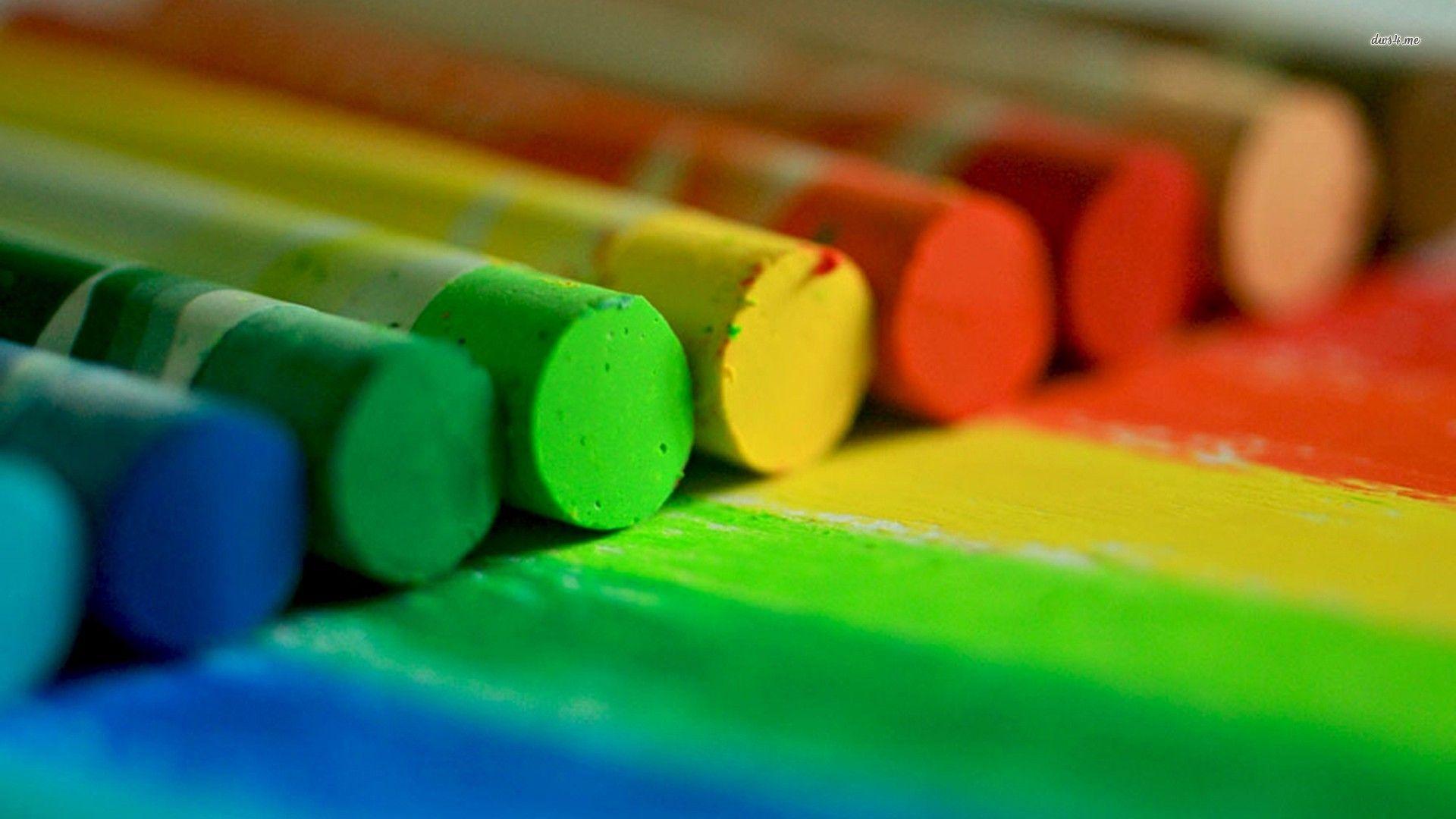
Artistic Crayola Texture Abstract for Desktop
This gorgeous crayola texture photo offers a breathtaking view, making it a perfect choice for your next wallpaper.
Gorgeous Crayola Texture Image for Your Screen
This gorgeous crayola texture photo offers a breathtaking view, making it a perfect choice for your next wallpaper.
High-Quality Crayola Texture Image Illustration
Transform your screen with this vivid crayola texture artwork, a true masterpiece of digital design.
Artistic Crayola Texture Landscape in HD
A captivating crayola texture scene that brings tranquility and beauty to any device.
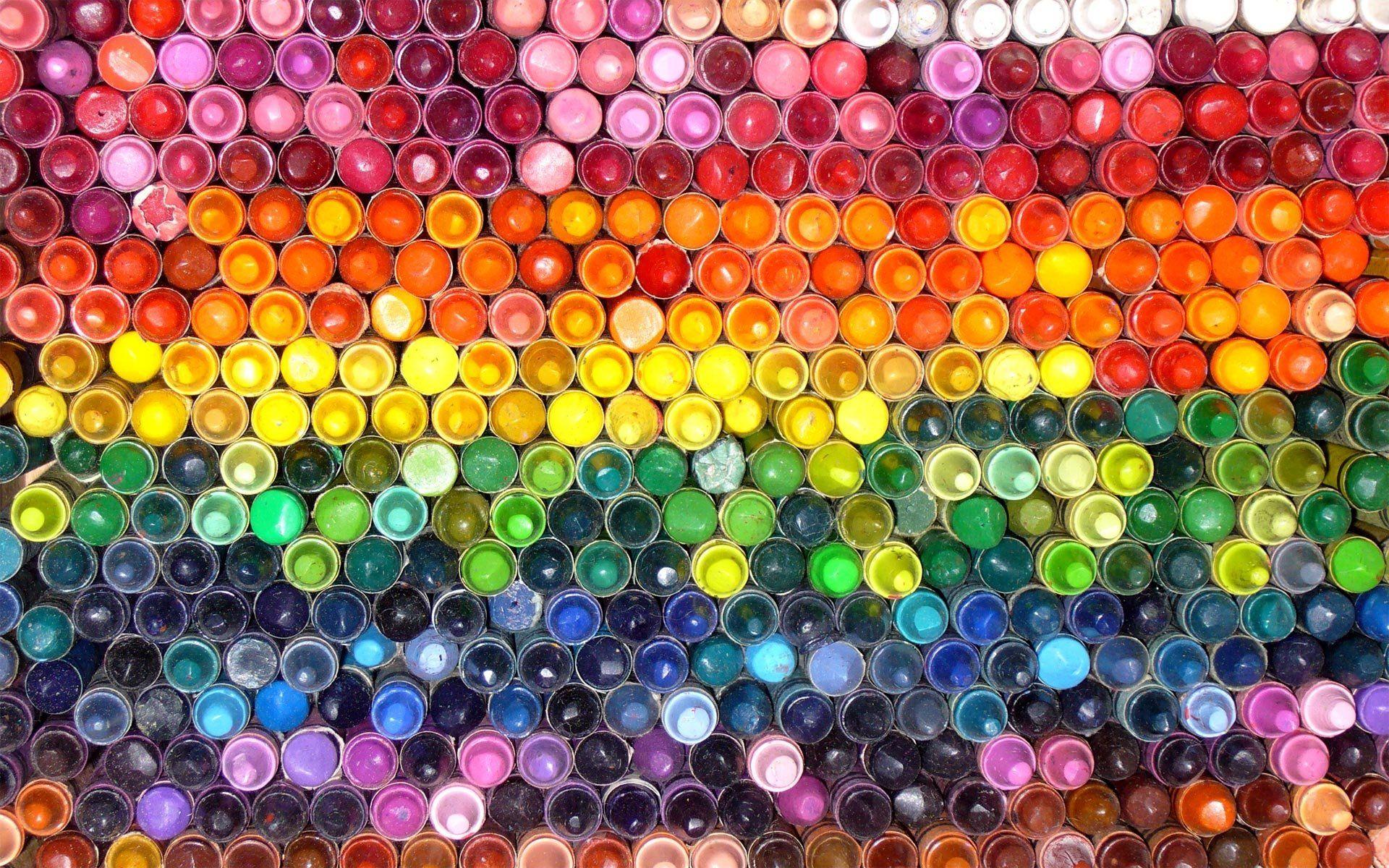
Artistic Crayola Texture View Illustration
Immerse yourself in the stunning details of this beautiful crayola texture wallpaper, designed for a captivating visual experience.
Dynamic Crayola Texture Picture Illustration
Immerse yourself in the stunning details of this beautiful crayola texture wallpaper, designed for a captivating visual experience.
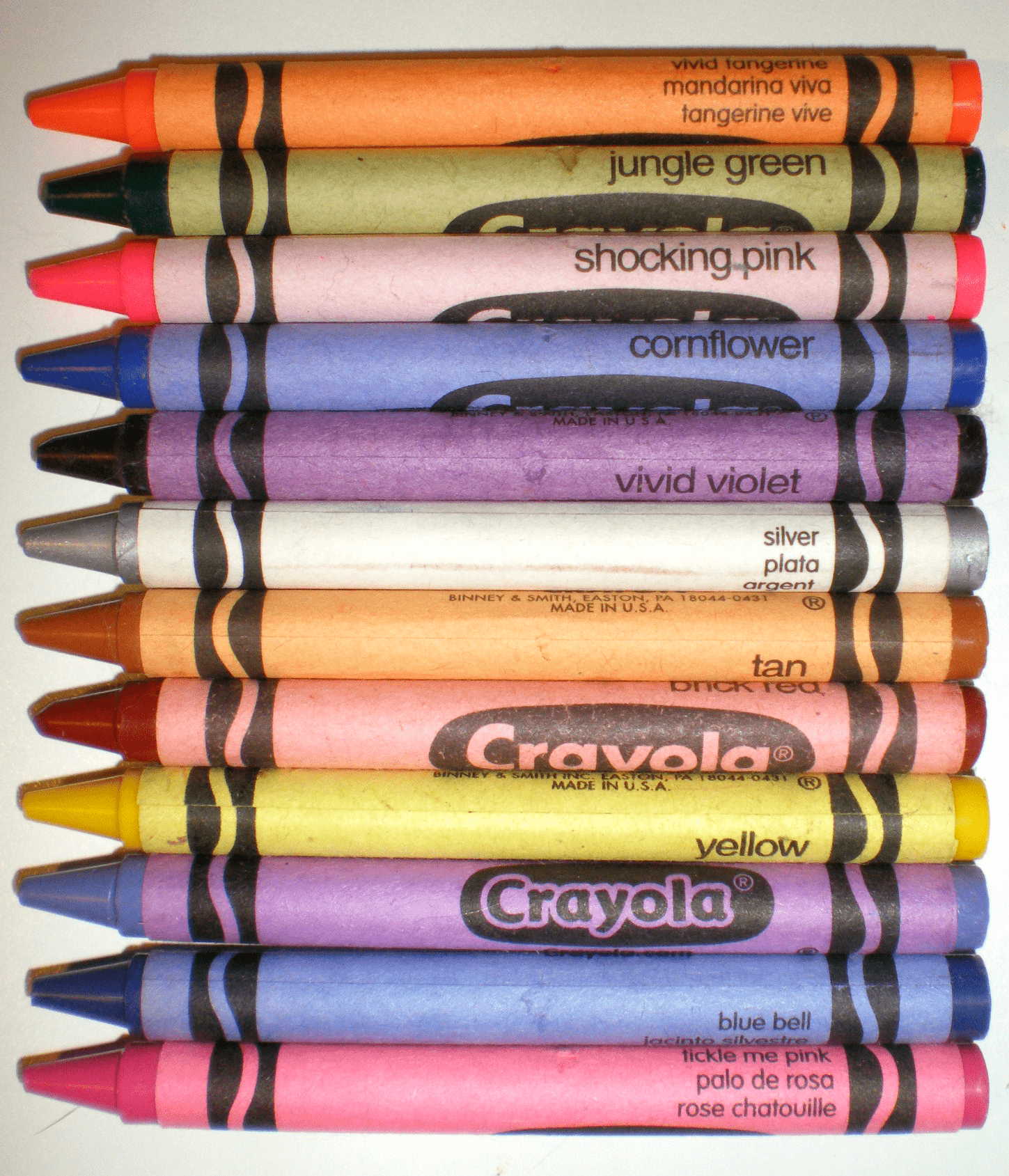
Dynamic Crayola Texture Design Digital Art
This gorgeous crayola texture photo offers a breathtaking view, making it a perfect choice for your next wallpaper.

Artistic Crayola Texture Wallpaper in 4K
Immerse yourself in the stunning details of this beautiful crayola texture wallpaper, designed for a captivating visual experience.
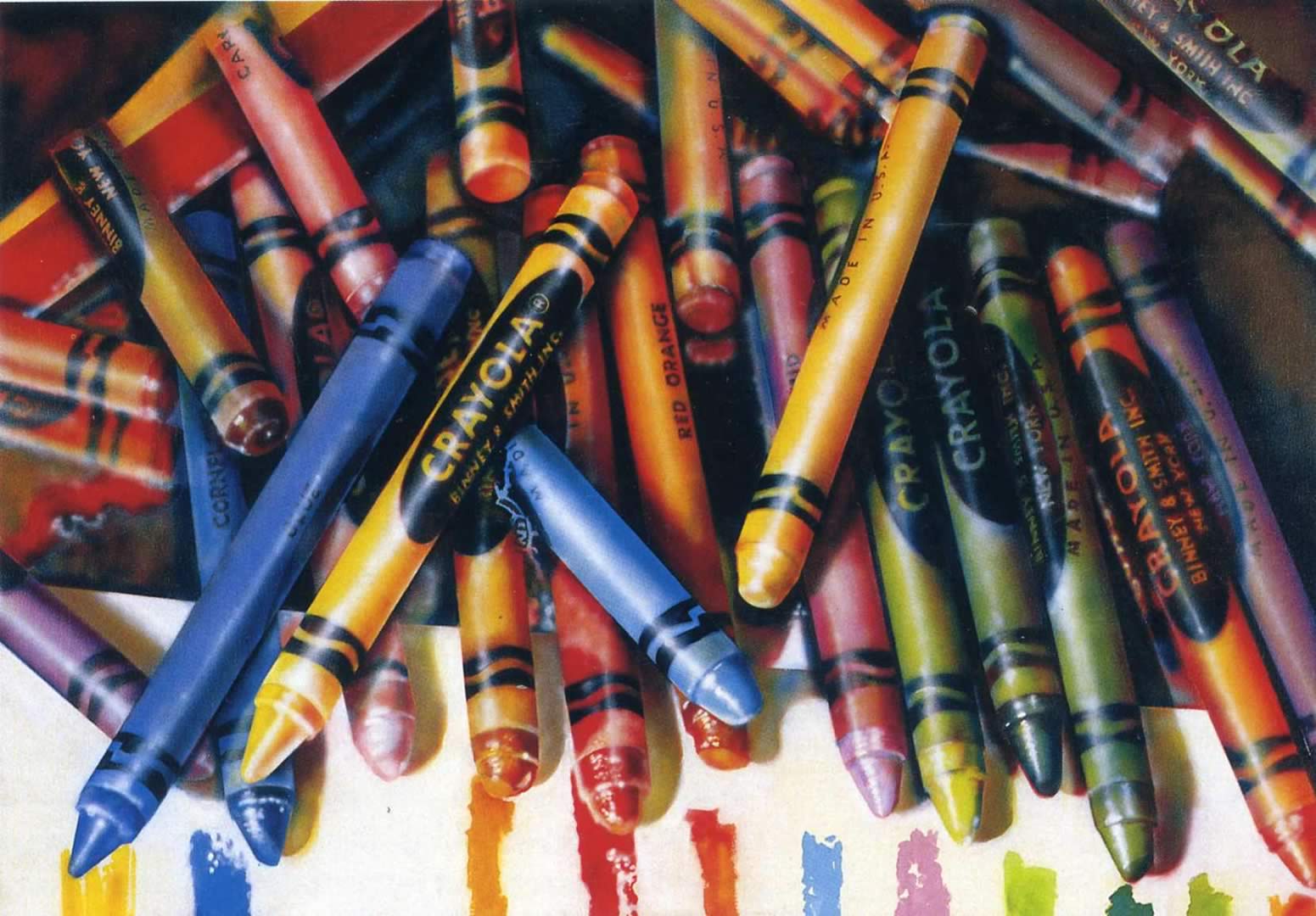
Mesmerizing Crayola Texture Photo Nature
Discover an amazing crayola texture background image, ideal for personalizing your devices with vibrant colors and intricate designs.

High-Quality Crayola Texture Artwork Concept
Explore this high-quality crayola texture image, perfect for enhancing your desktop or mobile wallpaper.
Download these crayola texture wallpapers for free and use them on your desktop or mobile devices.