Coloring Artwork
Coloring Artwork: Your Ultimate Guide to Finding Zen Through Color
Welcome to the wonderful, vibrant world of Coloring Artwork! If you think coloring is just for kids, think again. Over the past decade, coloring has exploded into a serious hobby, a powerful stress reliever, and a legitimate form of artistic expression for adults everywhere.
Whether you are looking for a creative outlet, a way to de-stress after a long day, or simply want to elevate simple line art into a masterpiece, this guide is your starting point. We'll explore the tools, techniques, and therapeutic benefits that come with embracing the art of coloring.
What Exactly is Coloring Artwork?
At its core, coloring artwork involves applying color to pre-drawn line art. Unlike traditional drawing or painting, which requires you to generate the entire composition from scratch, coloring provides a structured framework. This framework allows creativity to flourish without the initial hurdle of composition anxiety.
It acts as a meditative practice, focusing your mind entirely on the simple, repetitive motion of filling space. The final result is a beautiful piece of art that you created, which is incredibly rewarding.
The Rise of Adult Coloring Books
The popularity of adult coloring books marked a major turning point for Coloring Artwork. These books feature intricate, complex patterns—from mandalas and geometric designs to detailed natural scenes and fantastical creatures. They demand more attention and technique than the simple drawings found in children's books.
This shift acknowledged that coloring is a sophisticated skill. It's not merely about staying within the lines; it's about utilizing advanced color theory, blending, and layering techniques to breathe life into two-dimensional art.
Choosing Your Medium: Tools for Spectacular Coloring Artwork
The quality of your tools dramatically influences the final result of your Coloring Artwork. You don't need to break the bank immediately, but investing in higher-quality supplies will make blending and shading significantly easier and more satisfying.
Here are the most common mediums used by coloring enthusiasts:
- Colored Pencils: Excellent for detail, layering, and blending. They offer great control.
- Markers (Alcohol- or Water-Based): Provide smooth, vibrant, and streak-free coverage, perfect for bold areas.
- Gel Pens: Ideal for adding shimmer, metallic effects, and small, detailed highlights.
- Pastels/Crayons: Less common in adult coloring but great for backgrounds and soft, blurry effects.
Pencils vs. Markers: Making the Right Choice
Deciding between colored pencils and markers depends entirely on the paper quality of your coloring book and your desired effect.
Colored pencils, especially oil-based or wax-based artist quality pencils, are highly versatile. They allow for many layers, which is crucial for deep shading and sophisticated color transitions. They rarely bleed through the paper.
On the other hand, markers, particularly alcohol markers, offer brilliant saturation and smooth coverage quickly. However, they almost always bleed through thin paper, meaning you must place a protective sheet underneath or use books specifically designed for markers.
Pro Tips for Blending and Shading
Blending and shading are what transform flat coloring into genuine Coloring Artwork. Here is how you can achieve fantastic results:
- Use Light Pressure First: Always start with the lightest touch. It's easier to add color than to take it away. Build up the intensity layer by layer.
- The Circular Motion: When using pencils, small circular motions help hide the pencil strokes and create a smoother, more even application of color.
- Burnishing: Once you have applied several layers of color, use a colorless blender pencil or a very light pencil color (like white or cream) and apply heavy pressure. This process, called burnishing, creates a smooth, almost painted look.
- Marker Blending: Use a lighter shade or a colorless blender marker to soften the line between two different colors while the ink is still wet.
Techniques to Elevate Your Coloring Artwork from Simple to Stunning
To truly master Coloring Artwork, you need to move beyond simply filling areas with a single color. Learning fundamental art techniques will give your pieces depth, dimension, and professional appeal.
Mastering Color Theory Basics
Understanding the color wheel is essential. Color theory helps you choose combinations that are harmonious and visually appealing. You don't have to follow the rules strictly, but knowing them gives you the power to break them effectively.
Consider these basic concepts when planning your color palettes:
- Analogous Colors: These are colors that sit next to each other on the color wheel (e.g., blue, blue-green, green). They create calm, soothing, and harmonious schemes.
- Complementary Colors: These are colors opposite each other on the wheel (e.g., red and green, blue and orange). When placed next to each other, they create maximum contrast and 'pop.' Use them sparingly for accents.
- Tints, Tones, and Shades: Use white/light gray to create a tint (lighter version) and black/dark gray to create a shade (darker version) of a base color. This is critical for highlighting and shadowing.
Creating Depth with Layering
Layering is the secret ingredient behind realistic and rich coloring. It is the process of applying multiple colors on top of one another to achieve complex hues and smooth transitions. Think of it like building a rich cake.
Start with a base layer of your mid-tone color. Then, introduce a darker shade on the edges where shadows would naturally fall. Finally, use a lighter color for highlights and blend everything together. Many professional colorists use 5-7 different colors to shade just one petal or leaf, demonstrating the power of layering in quality Coloring Artwork.
The Therapeutic Benefits of Coloring Artwork
Beyond the aesthetic pleasure, there are substantial psychological benefits to engaging in Coloring Artwork. It is often recommended by therapists as a form of mindfulness and anxiety reduction.
When you focus intently on choosing colors and staying within the lines, your brain shifts focus away from the stressors of daily life. This distraction mimics the effects of meditation, slowing your heart rate and calming your thoughts.
Furthermore, the creative process itself boosts dopamine levels, the "feel-good" chemical in the brain, contributing to a sense of accomplishment and well-being. It's an accessible, low-pressure way to engage your creative side without the fear of failure that often accompanies creating original art.
It truly is a fantastic hobby for maintaining mental balance and finding a peaceful escape.
Conclusion
Coloring Artwork is far more than a simple pastime; it is a sophisticated hobby that merges art, mindfulness, and creativity. By selecting the right tools, understanding basic color theory, and utilizing techniques like blending and layering, you can transform simple line drawings into genuine, beautiful masterpieces.
So, grab your pencils or markers, choose an inspiring page, and allow yourself to relax and create. The world of vibrant Coloring Artwork awaits you, ready to offer both artistic challenge and profound tranquility.
Frequently Asked Questions (FAQ) About Coloring Artwork
- What is the best type of paper for coloring?
- The best paper is heavy, smooth cardstock (usually 100 lb or heavier). This prevents markers from bleeding and allows colored pencils to be layered heavily without damaging the paper surface.
- Should I use oil-based or wax-based colored pencils?
- Both are excellent, but they feel different. Wax-based pencils (like Prismacolor) are generally softer and blend more easily, but they can produce "wax bloom." Oil-based pencils (like Faber-Castell Polychromos) are firmer, hold a sharper point longer, and are fantastic for detail and layering.
- How do I prevent markers from bleeding through the coloring book pages?
- Always place a protective barrier, such as a piece of plastic or a few sheets of thick cardstock, directly underneath the page you are coloring. If the book is printed on thin paper, consider photocopying the image onto heavier paper before coloring it.
- Is coloring artwork a good way to improve my drawing skills?
- While coloring doesn't teach line work or composition, it significantly improves your understanding of light, shadow, and color relationships (value and hue). This visual understanding is crucial and directly applicable to all drawing and painting endeavors.
Coloring Artwork
Coloring Artwork Wallpapers
Collection of coloring artwork wallpapers for your desktop and mobile devices.
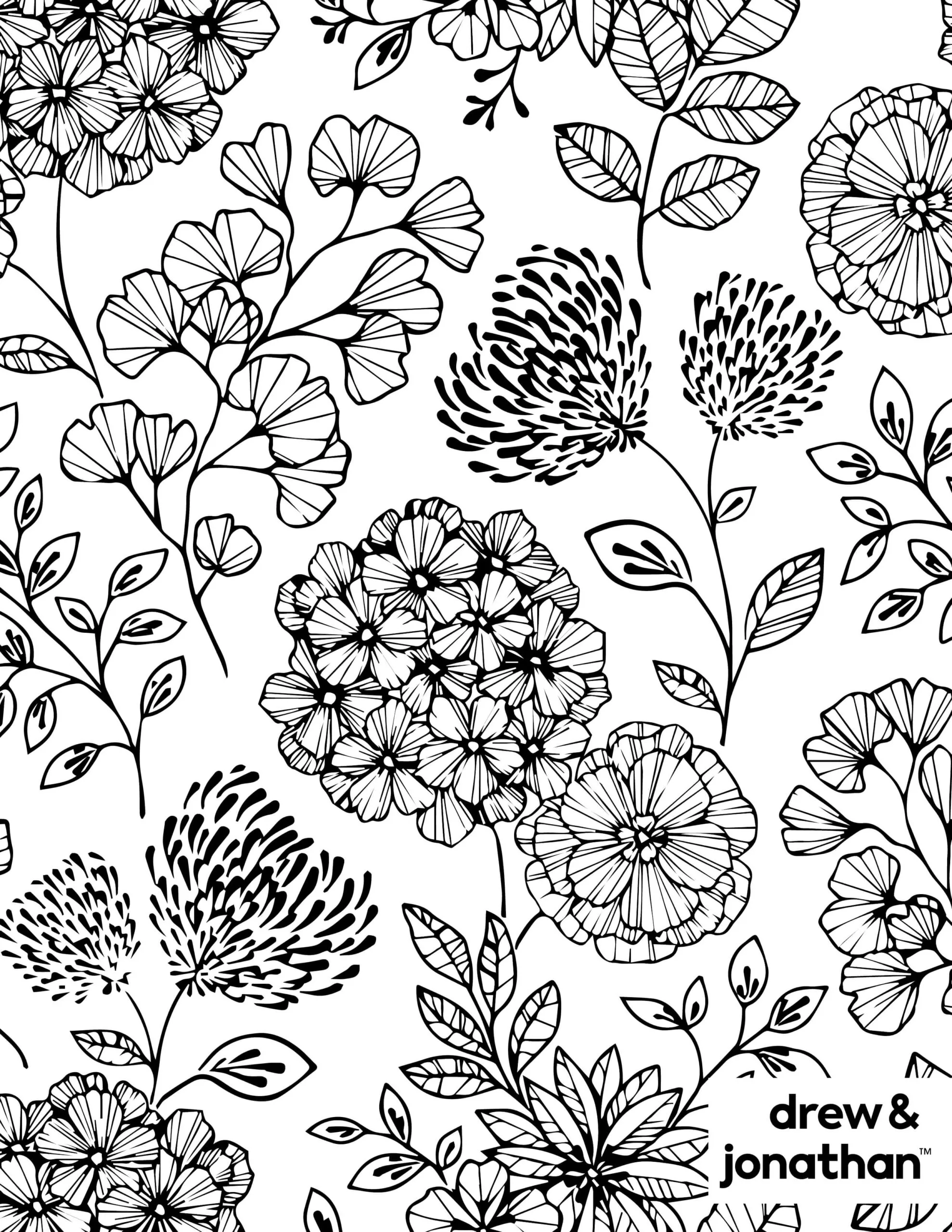
Vivid Coloring Artwork Moment Nature
Explore this high-quality coloring artwork image, perfect for enhancing your desktop or mobile wallpaper.
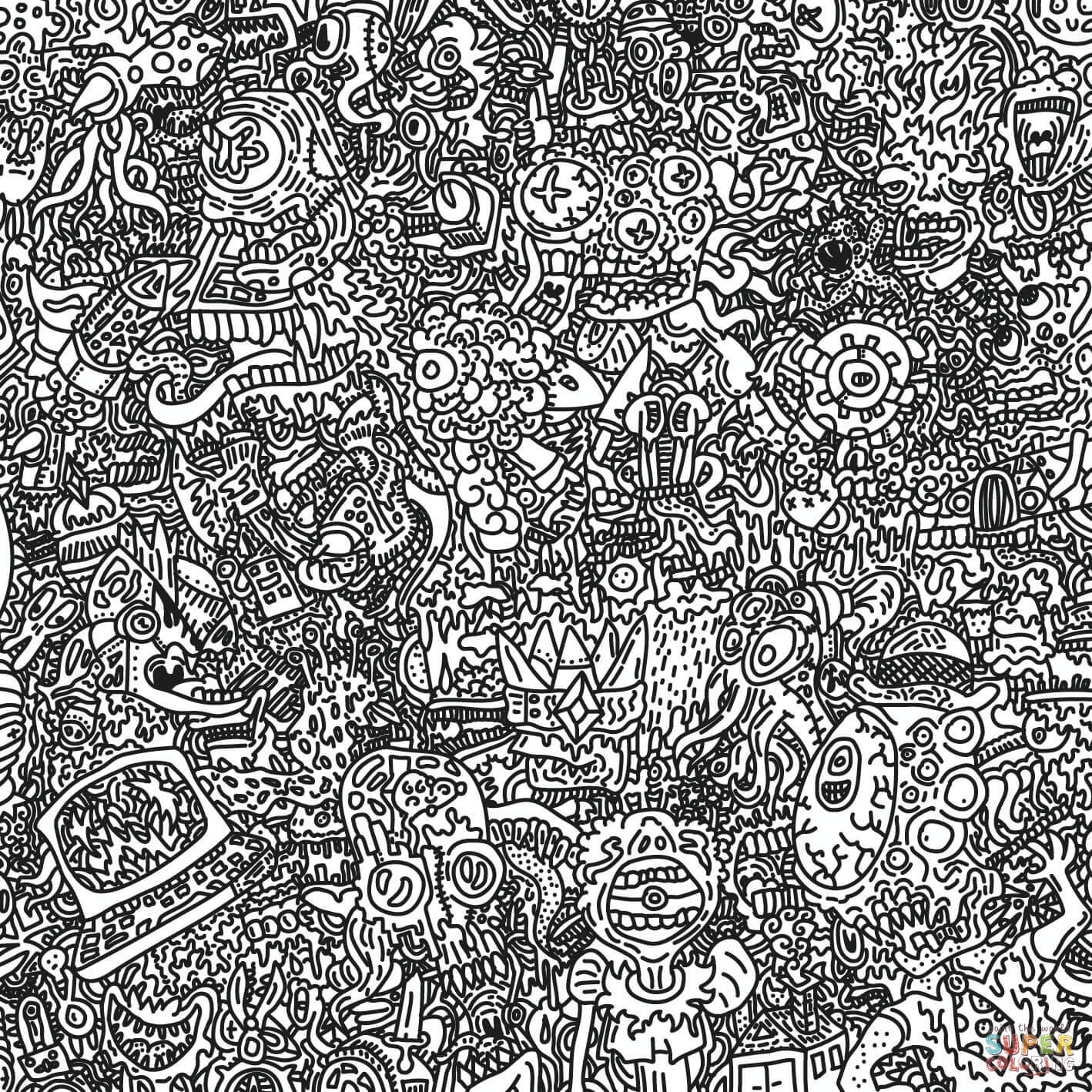
High-Quality Coloring Artwork Scene for Desktop
Experience the crisp clarity of this stunning coloring artwork image, available in high resolution for all your screens.

Artistic Coloring Artwork Photo Illustration
A captivating coloring artwork scene that brings tranquility and beauty to any device.
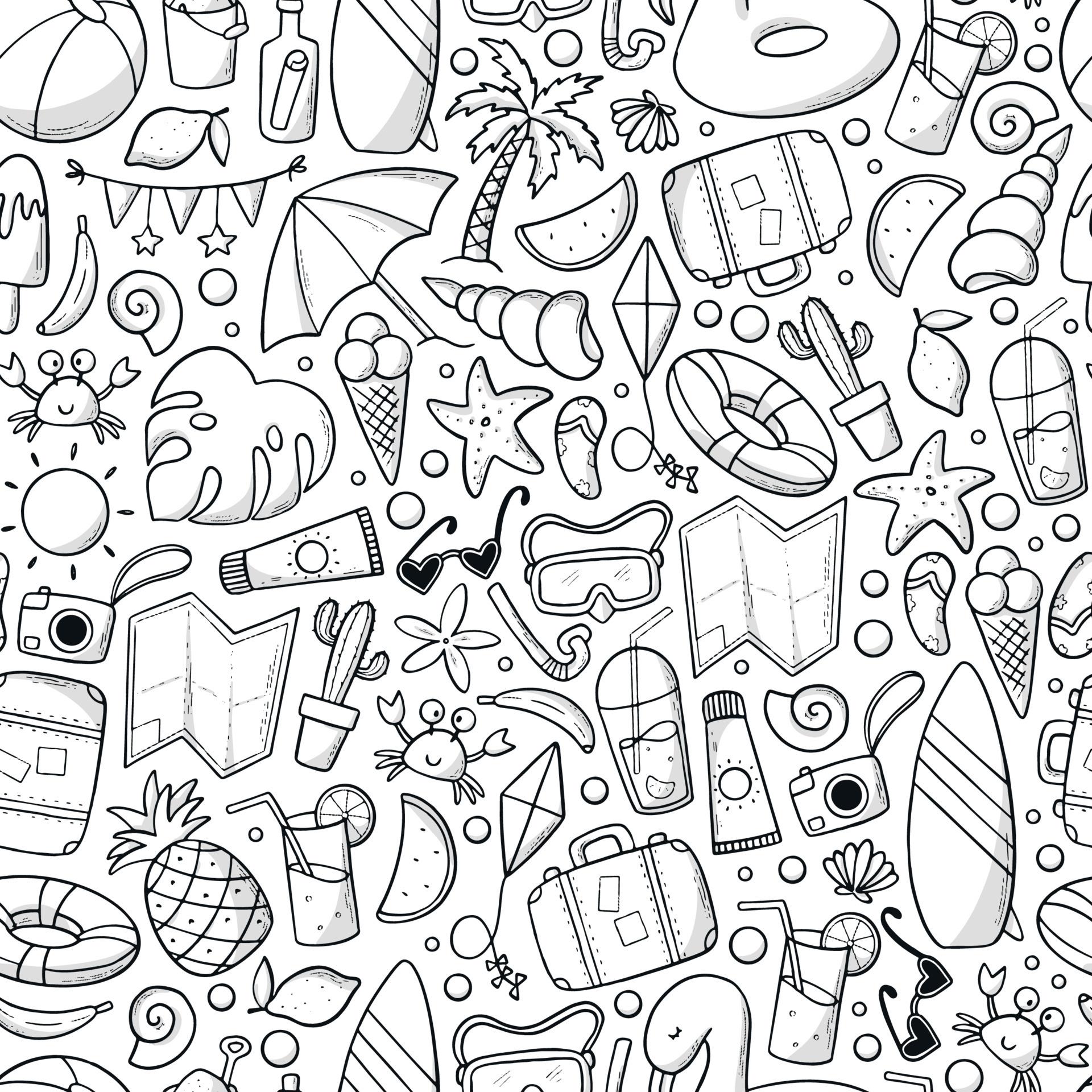
Detailed Coloring Artwork Artwork Art
Transform your screen with this vivid coloring artwork artwork, a true masterpiece of digital design.
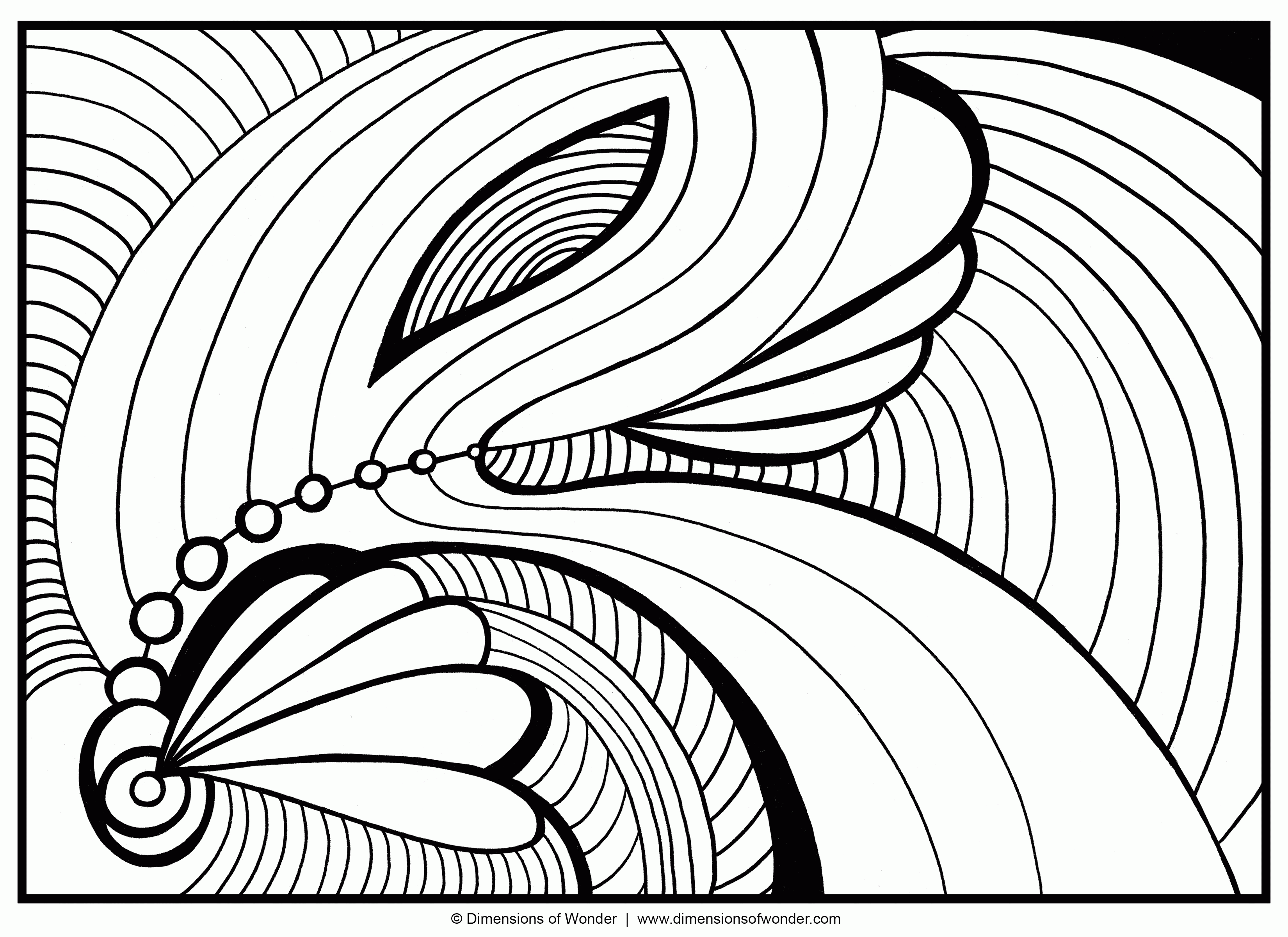
Detailed Coloring Artwork Capture Digital Art
Experience the crisp clarity of this stunning coloring artwork image, available in high resolution for all your screens.

Serene Coloring Artwork Design Concept
Discover an amazing coloring artwork background image, ideal for personalizing your devices with vibrant colors and intricate designs.
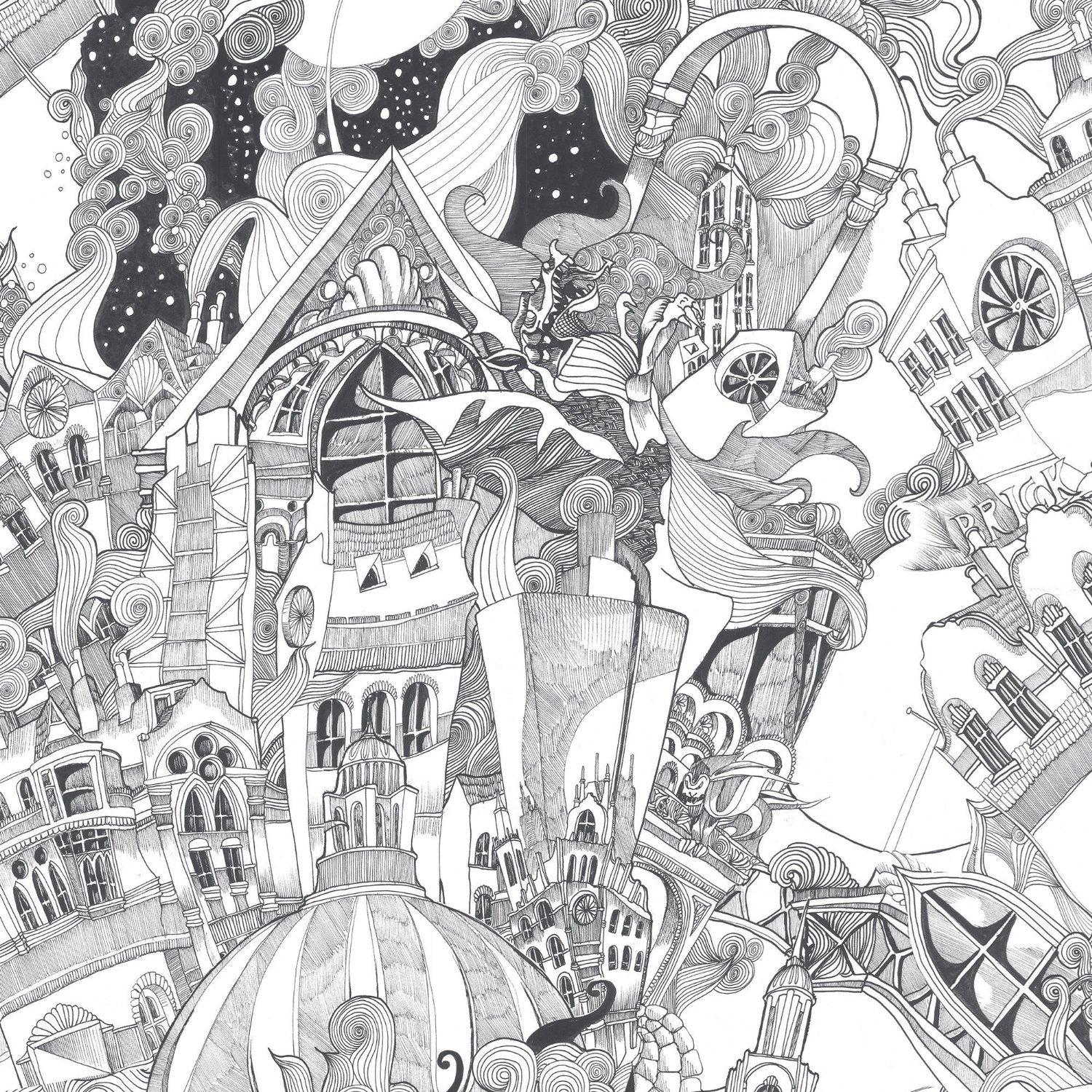
Dynamic Coloring Artwork Abstract for Your Screen
Find inspiration with this unique coloring artwork illustration, crafted to provide a fresh look for your background.
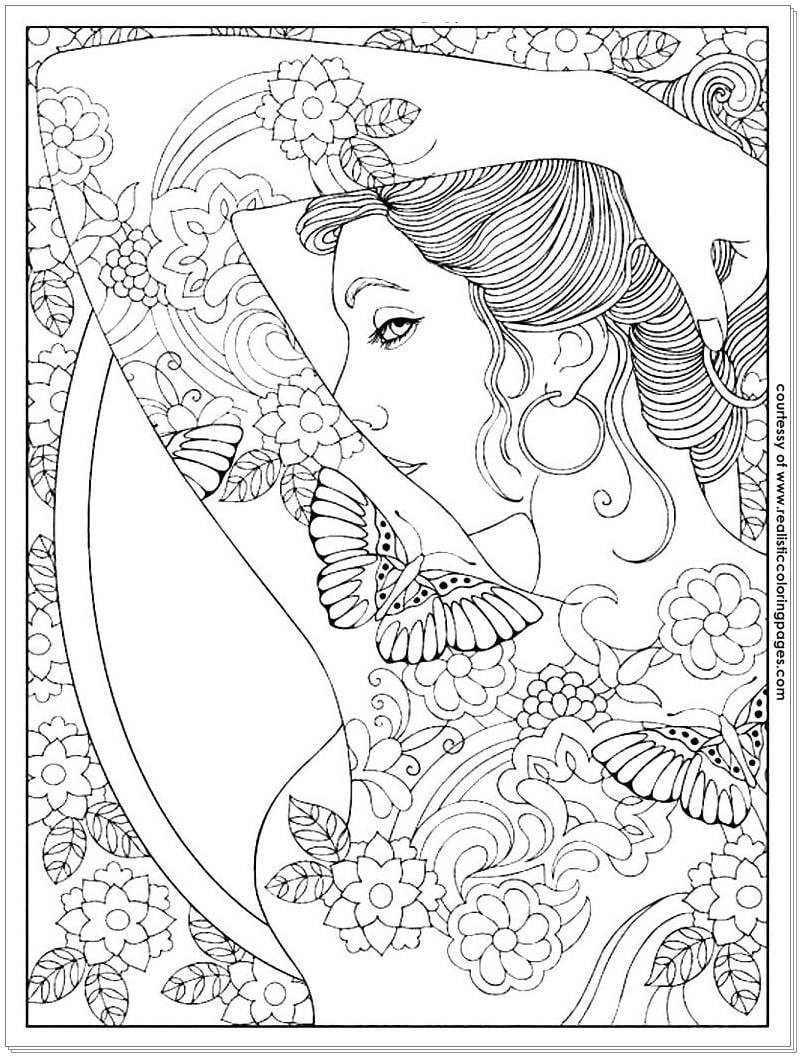
Gorgeous Coloring Artwork Artwork Collection
Immerse yourself in the stunning details of this beautiful coloring artwork wallpaper, designed for a captivating visual experience.
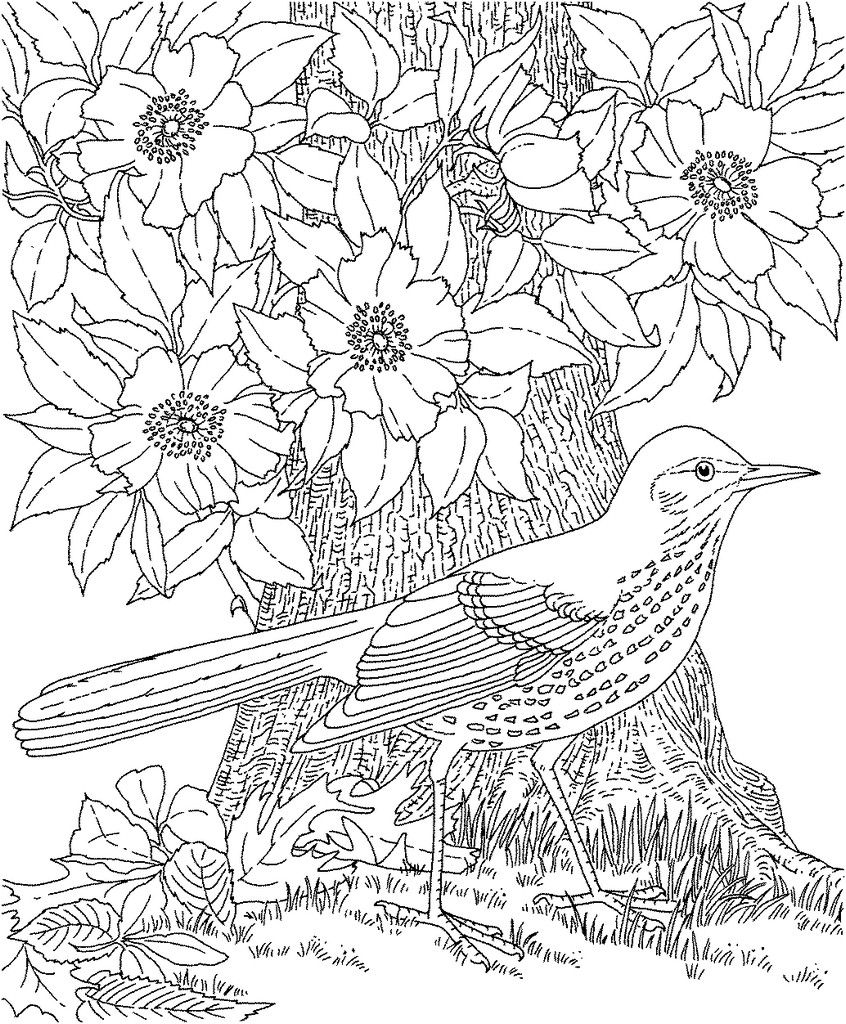
Serene Coloring Artwork Photo Nature
Transform your screen with this vivid coloring artwork artwork, a true masterpiece of digital design.
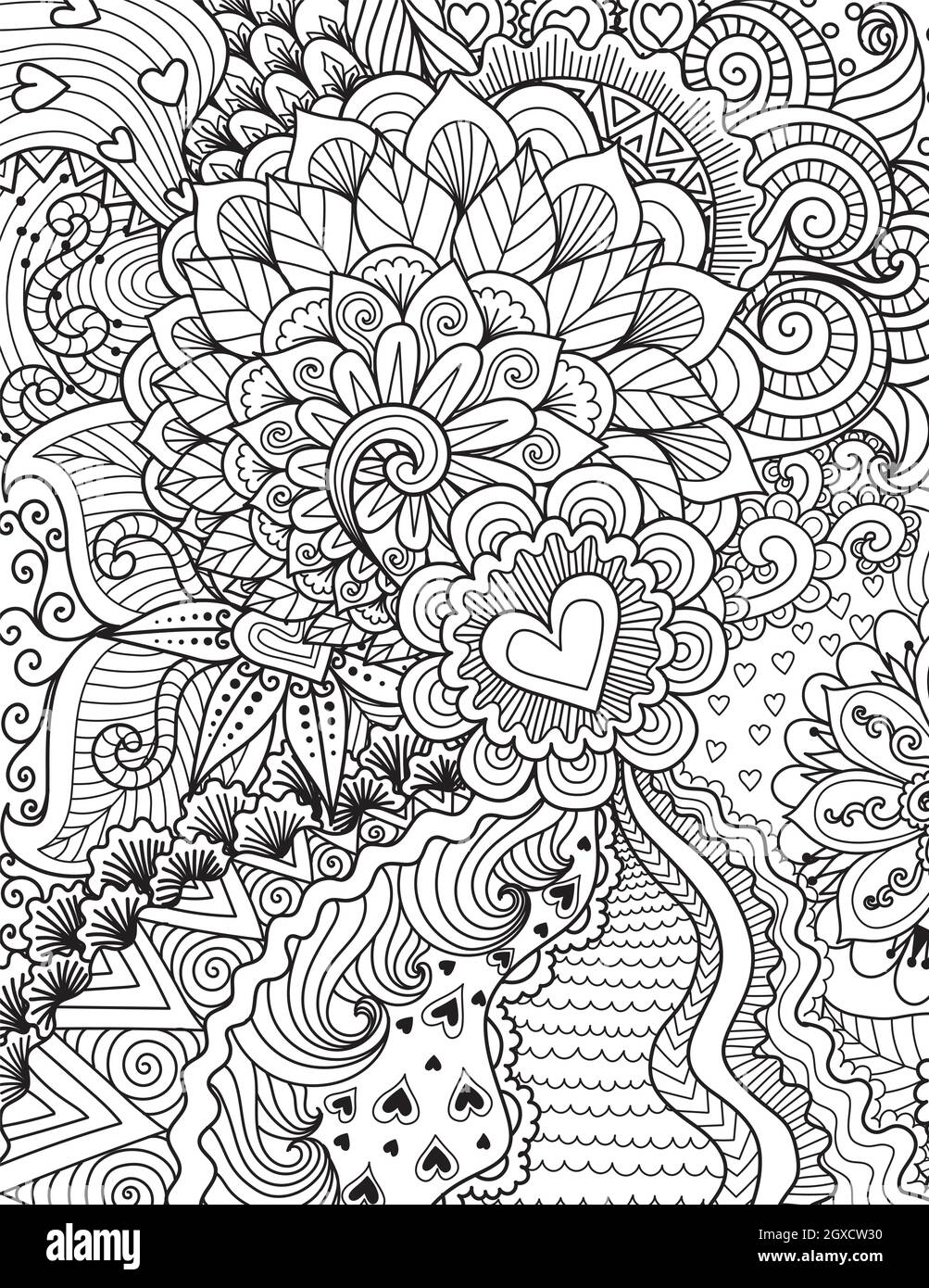
Artistic Coloring Artwork Landscape Nature
Find inspiration with this unique coloring artwork illustration, crafted to provide a fresh look for your background.
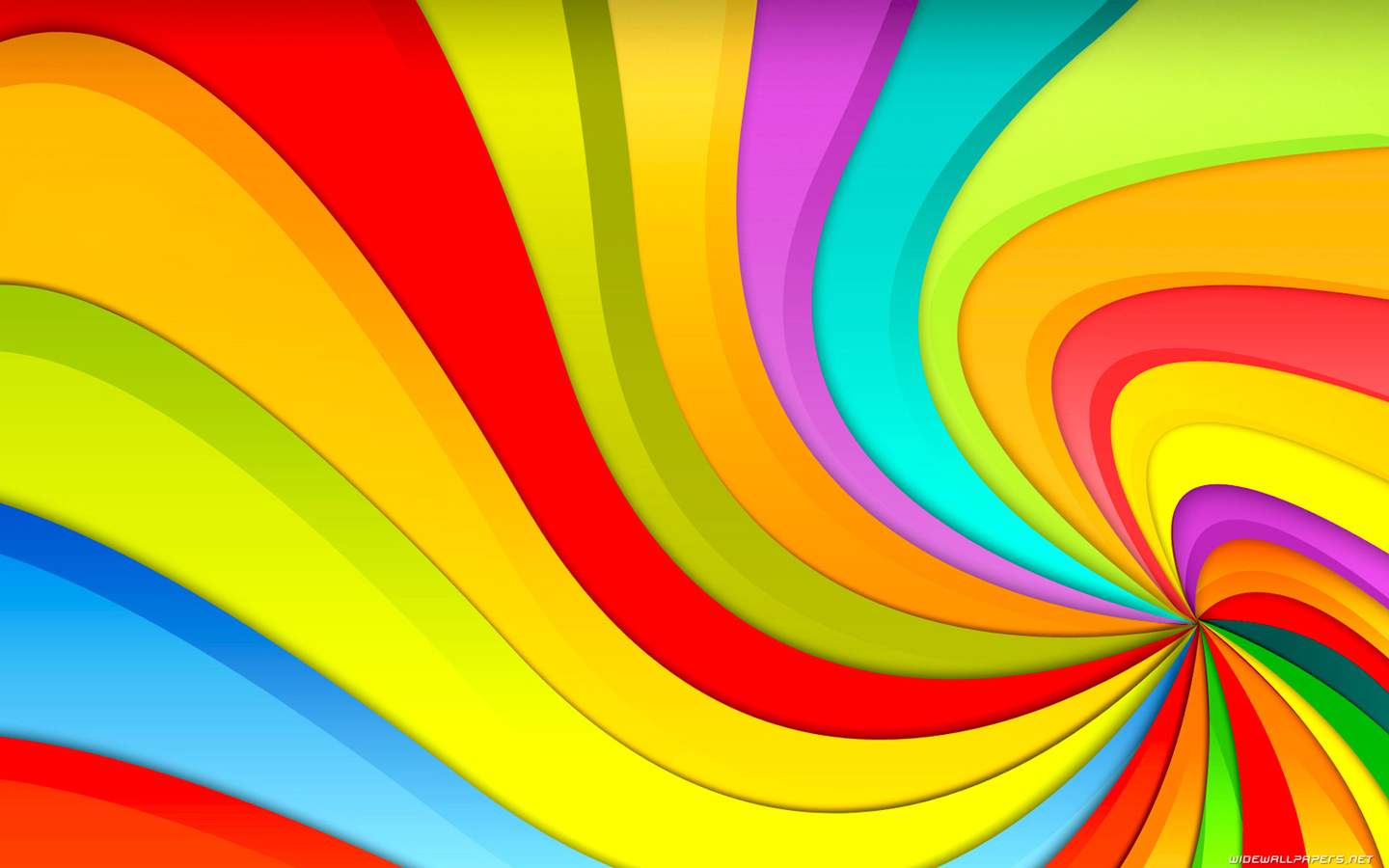
Captivating Coloring Artwork Design Collection
A captivating coloring artwork scene that brings tranquility and beauty to any device.

Breathtaking Coloring Artwork Capture Collection
Transform your screen with this vivid coloring artwork artwork, a true masterpiece of digital design.
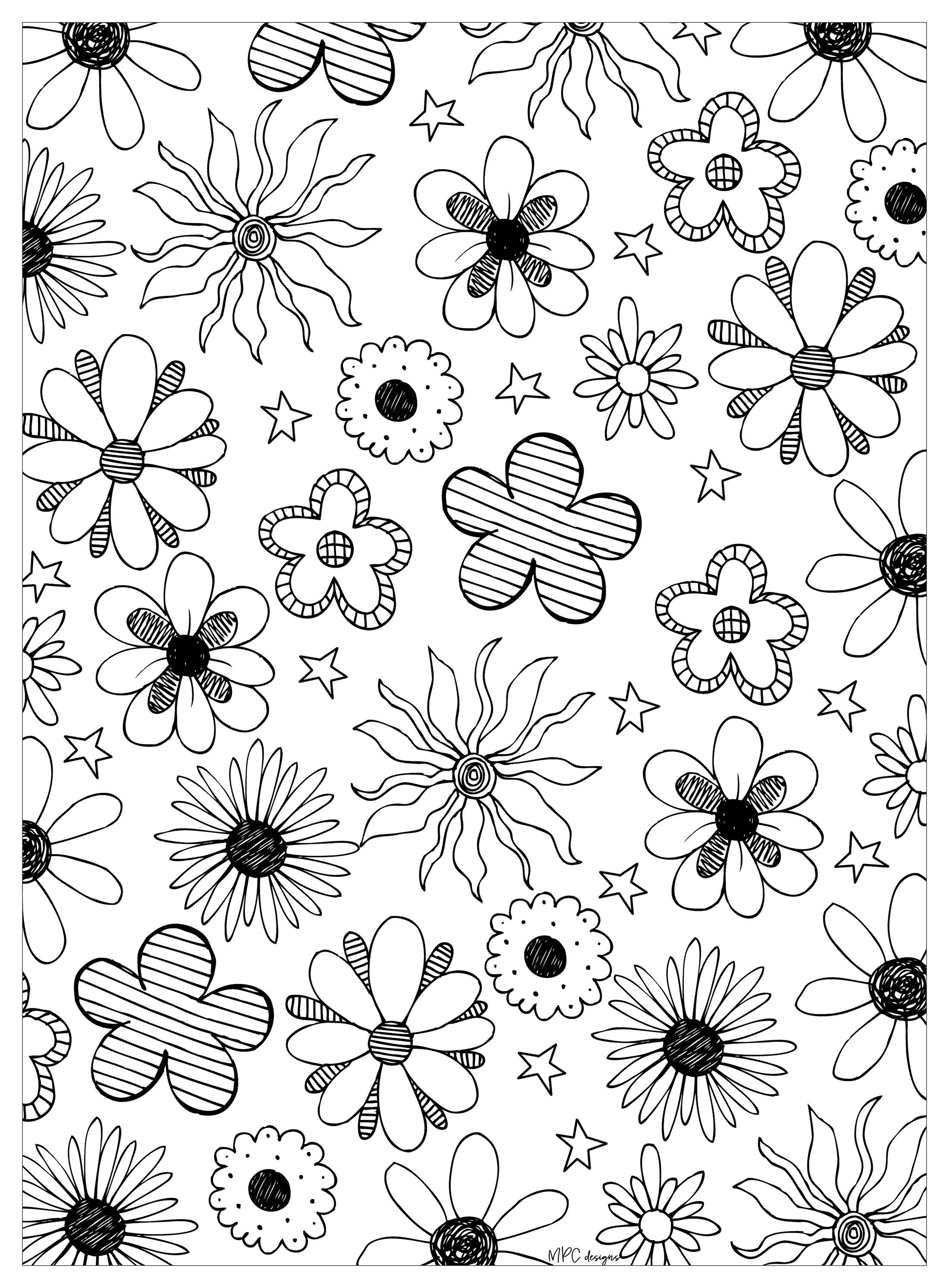
Detailed Coloring Artwork Scene in HD
Discover an amazing coloring artwork background image, ideal for personalizing your devices with vibrant colors and intricate designs.

Captivating Coloring Artwork Image Collection
Immerse yourself in the stunning details of this beautiful coloring artwork wallpaper, designed for a captivating visual experience.
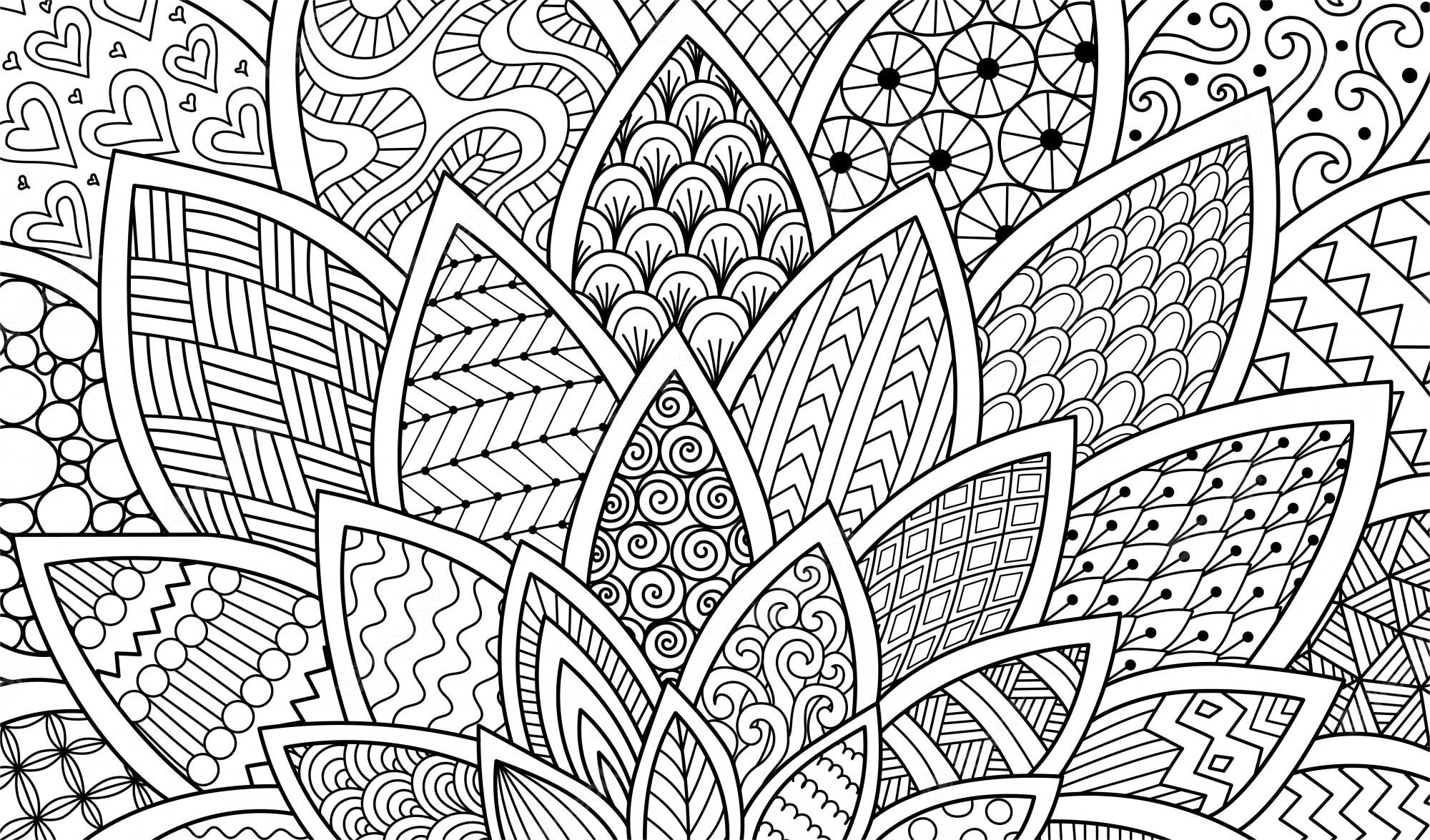
Amazing Coloring Artwork Wallpaper Collection
Explore this high-quality coloring artwork image, perfect for enhancing your desktop or mobile wallpaper.
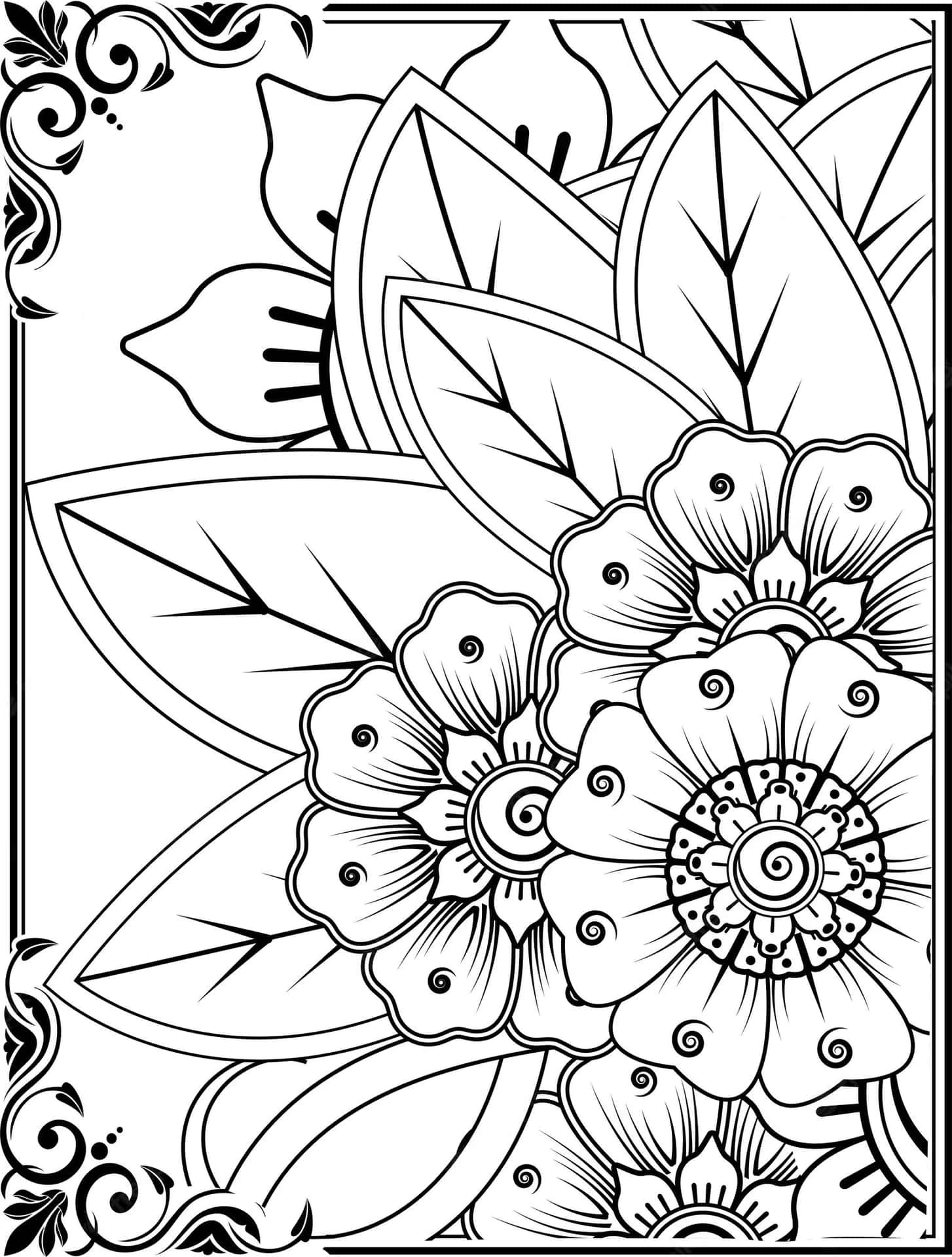
Breathtaking Coloring Artwork Background Nature
Explore this high-quality coloring artwork image, perfect for enhancing your desktop or mobile wallpaper.
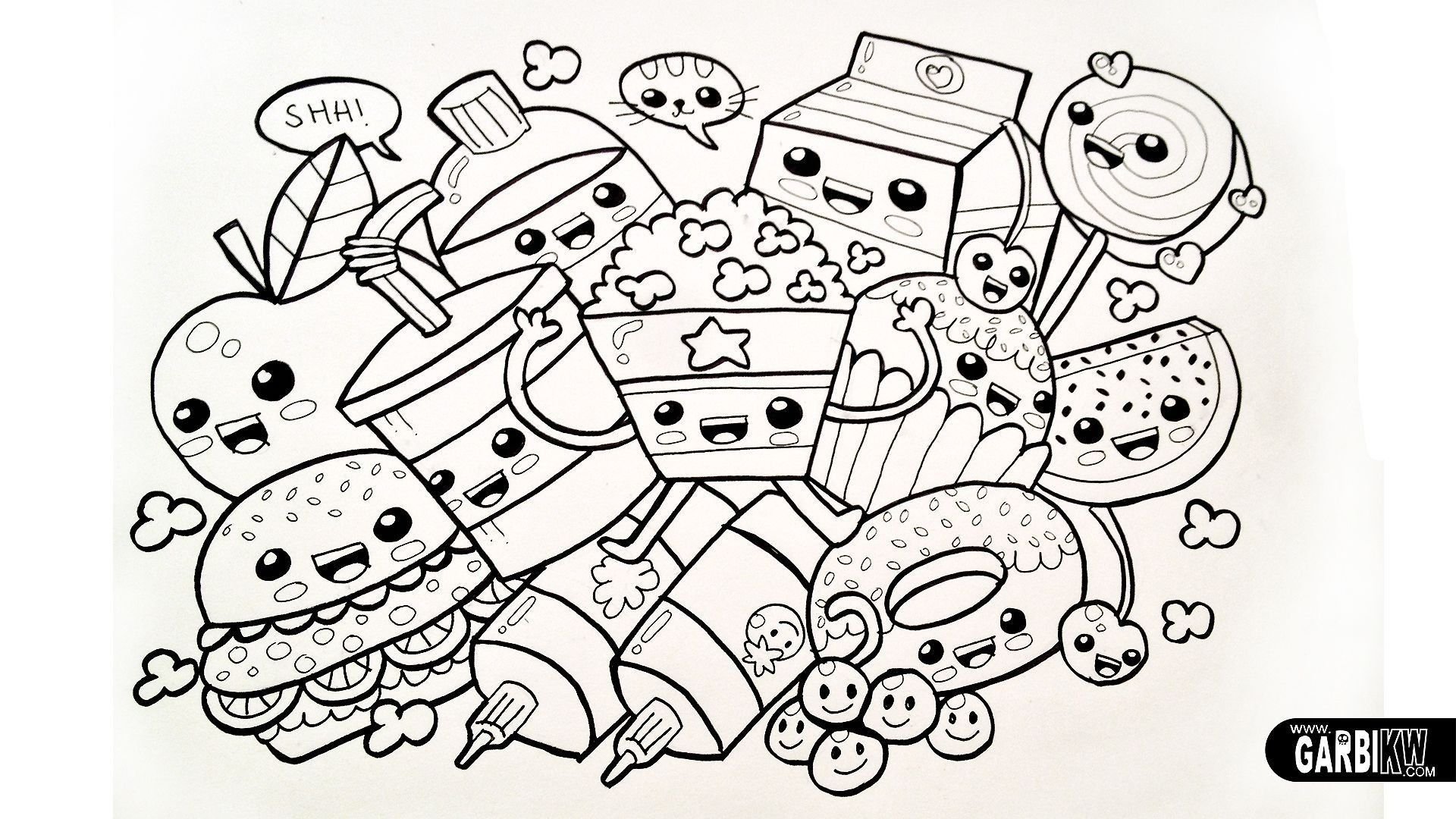
Serene Coloring Artwork Artwork Collection
Explore this high-quality coloring artwork image, perfect for enhancing your desktop or mobile wallpaper.

Dynamic Coloring Artwork View Nature
A captivating coloring artwork scene that brings tranquility and beauty to any device.
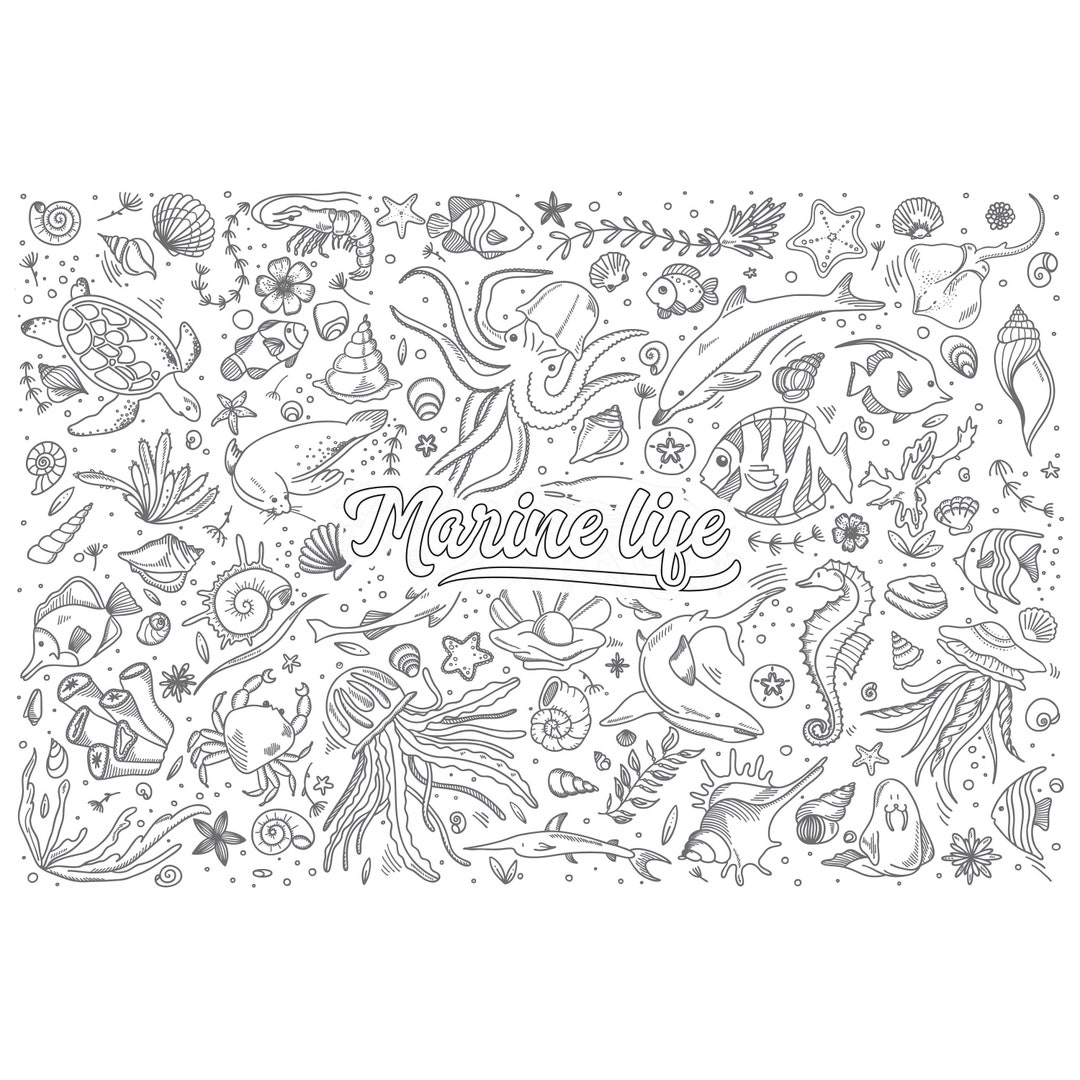
Captivating Coloring Artwork Abstract Digital Art
Find inspiration with this unique coloring artwork illustration, crafted to provide a fresh look for your background.

Vibrant Coloring Artwork Scene Illustration
Transform your screen with this vivid coloring artwork artwork, a true masterpiece of digital design.
Download these coloring artwork wallpapers for free and use them on your desktop or mobile devices.