“The dark underbelly”: The album Don Henley wanted to tear down the American dream
"The dark underbelly": The album Don Henley wanted to tear down the American dream
Don Henley has never been one to bite his tongue. As the driving force behind the Eagles, he helped define the sound of the 1970s—a decade that began with hippie idealism and ended in a cocaine-fueled haze of excess. But when the Eagles imploded under the weight of their own success in 1980, Henley didn't just retreat to a ranch in Texas. Instead, he picked up a pen and a synthesizer to document what he saw as the moral decay of his country.
By the late 1980s, the "American Dream" had undergone a radical transformation. The era of Reaganomics, the rise of the Yuppie, and the cold reality of the Cold War created a glossy, neon-lit surface that Henley found profoundly repulsive. This culminated in his 1989 magnum opus, The End of the Innocence. It wasn't just a collection of radio hits; it was a surgical strike against the national psyche.
To understand why this album remains a cultural touchstone, we have to look at "the dark underbelly" Henley was so determined to expose. He didn't want to just play rock and roll; he wanted to dismantle the myth of American exceptionalism and show the world the rot beneath the white picket fences.
From the Sunset Strip to the Soul of a Nation
Before Henley could tackle the nation's problems, he had to survive his own. After the "Long Run" tour nearly destroyed the Eagles, Henley entered the 80s as a man looking for a mission. His earlier solo efforts, like I Can't Stand Still and Building the Perfect Beast, hinted at his growing cynicism, but it was The End of the Innocence that truly stripped away the mask.
The album's title track, co-written with Bruce Hornsby, remains one of the most haunting indictments of American politics ever recorded. With its melancholic piano riff and Henley's raspy, weathered vocals, the song mourns the loss of a simpler time—or perhaps the realization that that simpler time was always an illusion. When he sings about the "tired old man" and the "small town" being sold out, he isn't just being poetic; he's naming names.
Henley's transition from a rock star to a social commentator was jarring for some fans. They wanted "Hotel California" vibes, but he gave them "The Garden of Allah." He shifted the focus from the hedonism of the Sunset Strip to the soul of a nation that he felt had lost its way. He saw the shift from community values to rampant individualism, and he used his platform to shout about it.
The storytelling in his lyrics often mirrors the "New Journalism" style of the era. He wasn't just singing about abstract concepts; he was painting vivid pictures of people caught in the machinery of progress. Consider the characters in his songs:
- The disillusioned veteran looking for a reason to believe.
- The corporate raider who knows the price of everything and the value of nothing.
- The lovers trying to find a "New York Minute" of peace in a world that never stops moving.
Dissecting the Myth: The Themes of Greed and Disillusionment
What exactly was the "dark underbelly" Henley wanted us to see? For Henley, the 1980s represented a era where greed was not just tolerated but celebrated as a virtue. The "American Dream" had been redefined as a race for material wealth, leaving behind a wake of environmental destruction and social isolation.
In songs like "Gimme What You Got," Henley takes aim at the consumerist frenzy. He portrays a society addicted to the "new," the "shiny," and the "disposable." This wasn't just grumpy old man shouting at clouds; it was a prescient warning about the sustainability of a culture built on debt and desire. He saw the spiritual vacuum created by a society that valued net worth over human worth.
The political landscape of the time provided ample ammunition. The Iran-Contra affair, the escalating arms race, and the hollow rhetoric of "Morning in America" were all targets in Henley's crosshairs. He felt that the government had betrayed the trust of the people, turning the "shining city on a hill" into a gated community for the elite.
One of the most poignant moments on the album is "The Last Worthless Evening." On the surface, it's a blue-eyed soul ballad about unrequited love. But in the context of the album, it feels like a metaphor for the country's search for meaning. We are all waiting for something to save us, but we're looking in all the wrong places—television, shopping malls, and empty political promises.
Henley's ability to weave these grand themes into accessible pop-rock songs was his greatest strength. He managed to sneak social criticism onto the Billboard charts. He made people dance while he was telling them their house was on fire. This duality is what gives the album its lasting power; it is both a product of its time and a timeless critique of human nature.
The Sonic Architecture of Cynicism
To tear down the American dream, Henley needed a sound that reflected both the gloss of the era and the grit of his message. He assembled a "who's who" of musical talent to build this sonic landscape. Collaborators like Danny Kortchmar, Stan Lynch of the Heartbreakers, and Waddy Wachtel helped craft a sound that was sophisticated, layered, and uncomfortably clean.
The production on The End of the Innocence is a masterclass in 80s studio wizardry. The drums are gated and massive, the synthesizers are lush but cold, and every instrument is placed with surgical precision. This "perfection" was intentional. It mirrored the artificiality of the decade Henley was criticizing. It was the sound of a high-end corporate boardroom—expensive, calculated, and devoid of warmth.
However, Henley's voice acts as the grounding wire. His vocal performance is raw and often strained, providing a necessary contrast to the slick production. When he hits those high notes in "The Heart of the Matter," you can hear the pain and the genuine yearning for redemption. He wasn't just an observer; he was a participant in the chaos, and his voice carries the weight of that experience.
Key musical elements that defined this "dark underbelly" sound include:
- Minimalist Piano: Used to create a sense of loneliness and reflection (e.g., "The End of the Innocence").
- Aggressive Guitar Riffs: Providing the "teeth" for his social critiques (e.g., "I Will Not Go Quietly").
- Atmospheric Synths: Creating a "nocturnal" feeling, as if the listener is driving through a dying city at 3 AM.
The inclusion of guest stars like Axl Rose on "I Will Not Go Quietly" was also a strategic move. By bringing in the "bad boy" of the new generation, Henley bridged the gap between the classic rock era and the burgeoning grunge/hard rock scene. It signaled that the anger Henley felt was a cross-generational torch, passed from the aging boomers to the cynical youth of the 90s.
Legacy of the "Dark Underbelly": Why Henley's Warning Still Matters
Decades later, The End of the Innocence feels less like a time capsule and more like a prophecy. Many of the issues Henley tackled—environmental degradation, political polarization, and the hollow nature of celebrity culture—have only intensified in the 21st century. The "dark underbelly" he exposed has arguably become the mainstream reality.
Henley's work paved the way for other "moralist" songwriters who weren't afraid to be unpopular. He showed that you could be a multi-platinum artist and still maintain a sharp, critical edge. He didn't care about being the "coolest" guy in the room; he cared about being the most honest.
The album's final track, "The Heart of the Matter," provides the only possible resolution to the chaos Henley describes: forgiveness. He concludes that after all the tearing down of dreams and the exposing of lies, the only way forward is a personal, internal reckoning. You can't fix the country until you fix yourself. It's a surprisingly tender end to an album that spends so much time being angry.
Today, when we look at the landscape of modern music, we often miss this level of lyrical depth. In an age of algorithm-driven hits and viral snippets, Henley's long-form storytelling and thematic consistency feel like a lost art. He reminds us that music can—and should—be a mirror held up to society, even if we don't like what we see in the reflection.
Don Henley may have wanted to tear down the American dream, but in doing so, he built something much more durable: a body of work that challenges us to be better. He forced us to look at the "dark underbelly" not to make us despair, but to make us wake up. As the world continues to grapple with the same demons Henley identified in 1989, his voice remains a necessary, if uncomfortable, guide through the darkness.
- Key Takeaway: Don Henley's solo career was a deliberate pivot from stadium rock to social activism.
- Cultural Impact: The album redefined how pop stars could engage with political and environmental issues.
- The "Henley Style": A unique blend of high-end production and grassroots, "plain-spoken" American lyricism.
Whether you're a die-hard Eagles fan or a newcomer to Henley's solo discography, The End of the Innocence stands as a monumental achievement in songwriting. It is a reminder that the most powerful art doesn't just entertain—it unsettles. And in an era where we are constantly bombarded with distractions, Henley's call to "offer up your best defense" is more relevant than ever.
"The dark underbelly": The album Don Henley wanted to tear down the American dream
"The dark underbelly": The album Don Henley wanted to tear down the American dream Wallpapers
Collection of "the dark underbelly": the album don henley wanted to tear down the american dream wallpapers for your desktop and mobile devices.
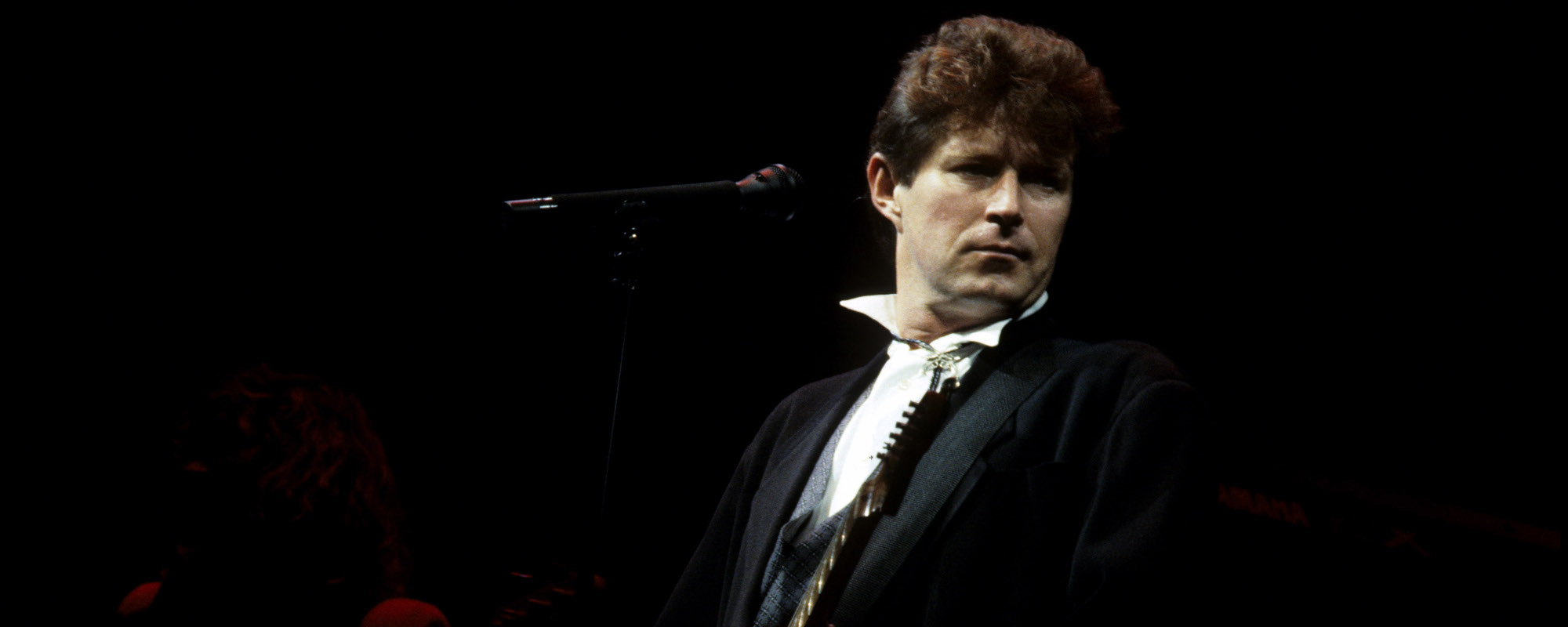
Dynamic "the Dark Underbelly": The Album Don Henley Wanted To Tear Down The American Dream Artwork for Desktop
A captivating "the dark underbelly": the album don henley wanted to tear down the american dream scene that brings tranquility and beauty to any device.

Amazing "the Dark Underbelly": The Album Don Henley Wanted To Tear Down The American Dream Photo in HD
Discover an amazing "the dark underbelly": the album don henley wanted to tear down the american dream background image, ideal for personalizing your devices with vibrant colors and intricate designs.

Beautiful "the Dark Underbelly": The Album Don Henley Wanted To Tear Down The American Dream Scene for Mobile
Transform your screen with this vivid "the dark underbelly": the album don henley wanted to tear down the american dream artwork, a true masterpiece of digital design.

High-Quality "the Dark Underbelly": The Album Don Henley Wanted To Tear Down The American Dream Landscape for Mobile
Transform your screen with this vivid "the dark underbelly": the album don henley wanted to tear down the american dream artwork, a true masterpiece of digital design.

Captivating "the Dark Underbelly": The Album Don Henley Wanted To Tear Down The American Dream Design Photography
This gorgeous "the dark underbelly": the album don henley wanted to tear down the american dream photo offers a breathtaking view, making it a perfect choice for your next wallpaper.

Gorgeous "the Dark Underbelly": The Album Don Henley Wanted To Tear Down The American Dream Picture in HD
This gorgeous "the dark underbelly": the album don henley wanted to tear down the american dream photo offers a breathtaking view, making it a perfect choice for your next wallpaper.

Exquisite "the Dark Underbelly": The Album Don Henley Wanted To Tear Down The American Dream Picture Photography
Immerse yourself in the stunning details of this beautiful "the dark underbelly": the album don henley wanted to tear down the american dream wallpaper, designed for a captivating visual experience.
Spectacular "the Dark Underbelly": The Album Don Henley Wanted To Tear Down The American Dream Design for Mobile
Immerse yourself in the stunning details of this beautiful "the dark underbelly": the album don henley wanted to tear down the american dream wallpaper, designed for a captivating visual experience.

Mesmerizing "the Dark Underbelly": The Album Don Henley Wanted To Tear Down The American Dream Picture for Your Screen
Explore this high-quality "the dark underbelly": the album don henley wanted to tear down the american dream image, perfect for enhancing your desktop or mobile wallpaper.
Amazing "the Dark Underbelly": The Album Don Henley Wanted To Tear Down The American Dream Moment Art
Transform your screen with this vivid "the dark underbelly": the album don henley wanted to tear down the american dream artwork, a true masterpiece of digital design.
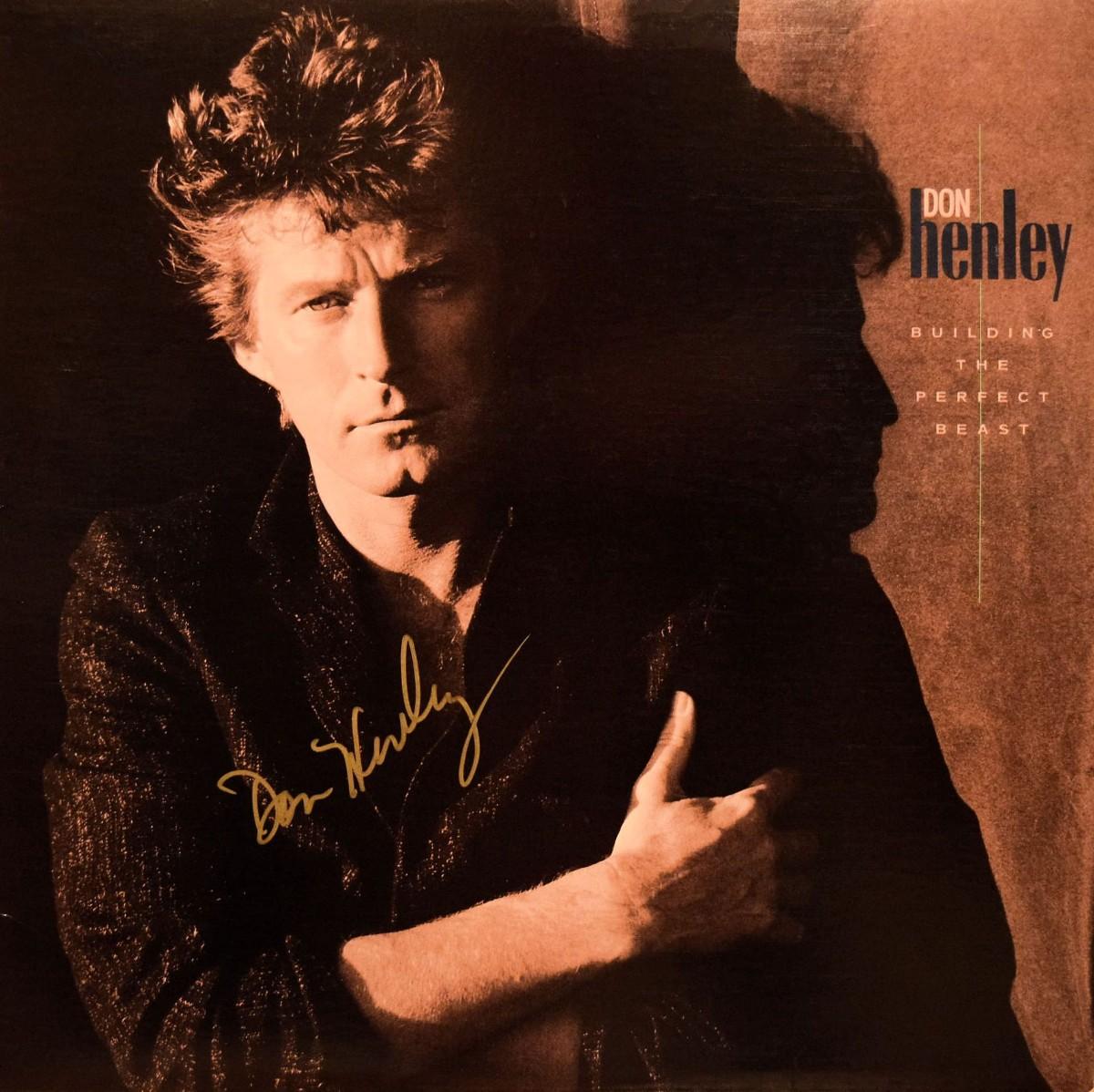
Exquisite "the Dark Underbelly": The Album Don Henley Wanted To Tear Down The American Dream Landscape for Mobile
Find inspiration with this unique "the dark underbelly": the album don henley wanted to tear down the american dream illustration, crafted to provide a fresh look for your background.
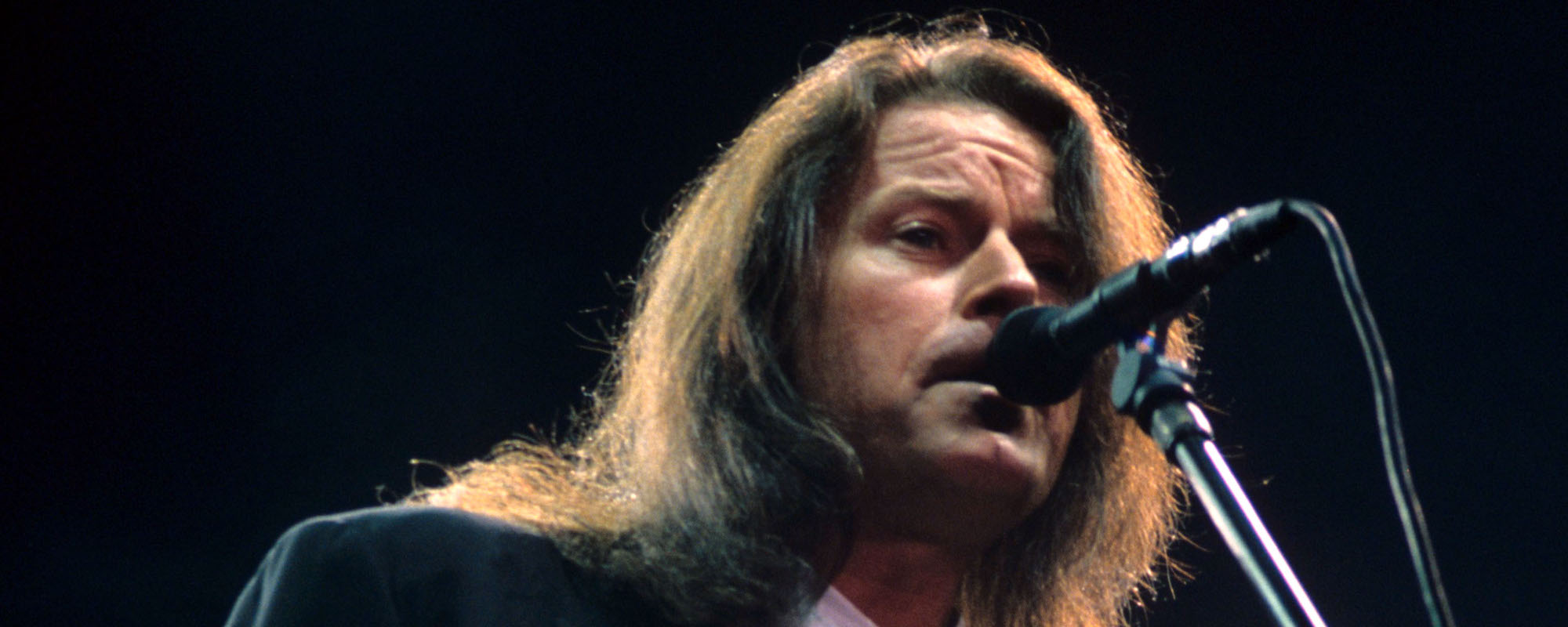
Crisp "the Dark Underbelly": The Album Don Henley Wanted To Tear Down The American Dream Photo for Your Screen
Immerse yourself in the stunning details of this beautiful "the dark underbelly": the album don henley wanted to tear down the american dream wallpaper, designed for a captivating visual experience.

Detailed "the Dark Underbelly": The Album Don Henley Wanted To Tear Down The American Dream Image Illustration
Discover an amazing "the dark underbelly": the album don henley wanted to tear down the american dream background image, ideal for personalizing your devices with vibrant colors and intricate designs.
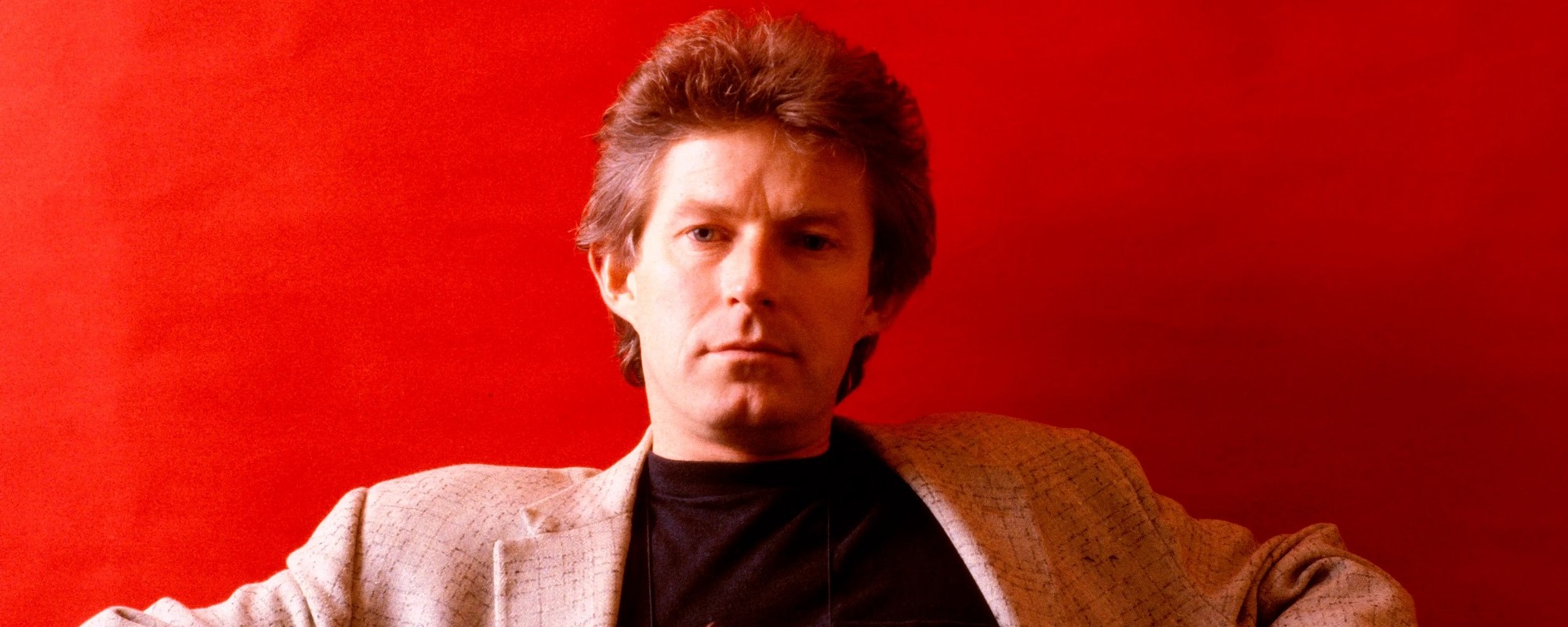
Beautiful "the Dark Underbelly": The Album Don Henley Wanted To Tear Down The American Dream Capture Illustration
Explore this high-quality "the dark underbelly": the album don henley wanted to tear down the american dream image, perfect for enhancing your desktop or mobile wallpaper.

Amazing "the Dark Underbelly": The Album Don Henley Wanted To Tear Down The American Dream Artwork Digital Art
Transform your screen with this vivid "the dark underbelly": the album don henley wanted to tear down the american dream artwork, a true masterpiece of digital design.

Breathtaking "the Dark Underbelly": The Album Don Henley Wanted To Tear Down The American Dream Capture Digital Art
Transform your screen with this vivid "the dark underbelly": the album don henley wanted to tear down the american dream artwork, a true masterpiece of digital design.

Spectacular "the Dark Underbelly": The Album Don Henley Wanted To Tear Down The American Dream Image Collection
This gorgeous "the dark underbelly": the album don henley wanted to tear down the american dream photo offers a breathtaking view, making it a perfect choice for your next wallpaper.

Mesmerizing "the Dark Underbelly": The Album Don Henley Wanted To Tear Down The American Dream Wallpaper for Your Screen
Transform your screen with this vivid "the dark underbelly": the album don henley wanted to tear down the american dream artwork, a true masterpiece of digital design.

Beautiful "the Dark Underbelly": The Album Don Henley Wanted To Tear Down The American Dream Capture in 4K
Discover an amazing "the dark underbelly": the album don henley wanted to tear down the american dream background image, ideal for personalizing your devices with vibrant colors and intricate designs.

Beautiful "the Dark Underbelly": The Album Don Henley Wanted To Tear Down The American Dream Image Nature
Experience the crisp clarity of this stunning "the dark underbelly": the album don henley wanted to tear down the american dream image, available in high resolution for all your screens.
Download these "the dark underbelly": the album don henley wanted to tear down the american dream wallpapers for free and use them on your desktop or mobile devices.