Embryo fossil found in South Africa is world's oldest proof that mammal ancestors laid eggs
Unearthing the Origins: World’s Oldest Embryo Fossil in South Africa Proves Mammal Ancestors Laid Eggs
In a groundbreaking discovery that has sent ripples through the global scientific community, paleontologists have identified what is now considered the world’s oldest embryo fossil of a mammal ancestor. Found in the fossil-rich sedimentary layers of South Africa, this remarkably preserved specimen provides the most definitive evidence to date that the ancient precursors to modern mammals—creatures that lived millions of years before the first humans—were egg-layers. This discovery not only reshapes our understanding of mammalian evolution but also highlights South Africa's status as a premier global hub for paleontological research.
The transition from reptilian-like ancestors to the diverse array of mammals we see today is one of the most complex chapters in the history of life on Earth. For decades, scientists have debated the exact timing and nature of when our ancestors began to exhibit mammalian traits such as fur, warm-bloodedness, and live birth. While modern monotremes like the platypus and echidna still lay eggs, they are the rare exceptions. This new fossil find takes us back over 200 million years to the Early Jurassic period, offering a literal "window into the womb" of a species that bridged the gap between reptiles and mammals.
The Significance of the South African Fossil Find
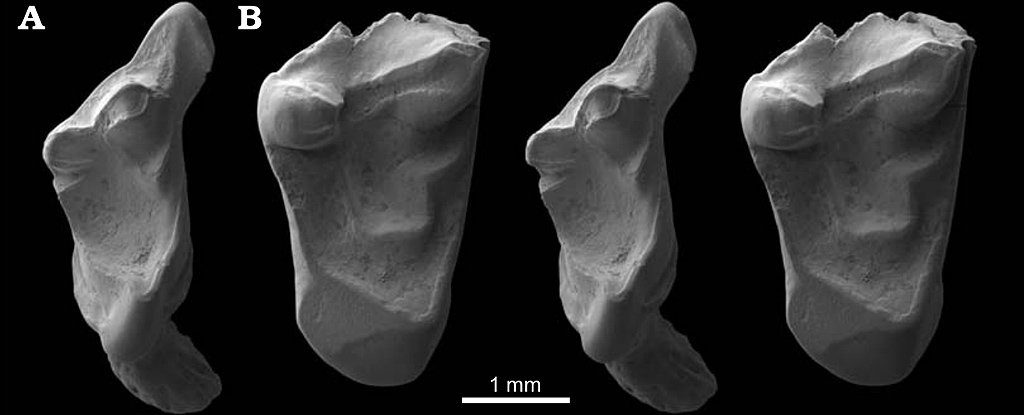
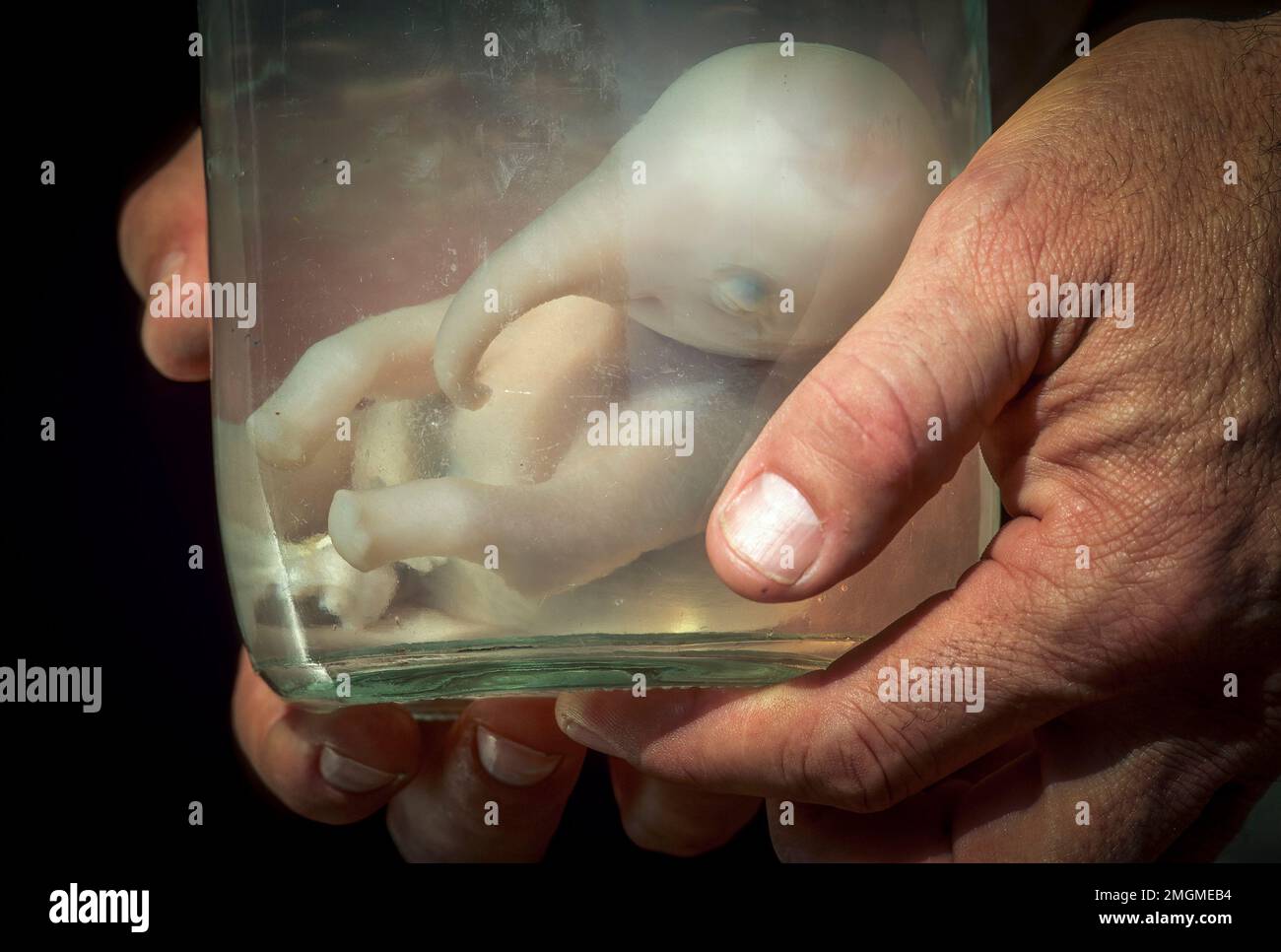
The fossil was unearthed in the Karoo Basin, a geological marvel known for its extensive record of terrestrial life spanning from the Permian to the Jurassic periods. The discovery involves the embryonic remains of a cynodont, a group of synapsids that are the direct ancestors of all living mammals. What makes this find so extraordinary is the preservation of the delicate embryonic skeleton nestled within the remnants of an eggshell structure.
Embryos are notoriously difficult to find in the fossil record. Because embryonic bones are largely composed of cartilage and are not yet fully mineralized, they rarely survive the rigorous process of fossilization. The fact that this specimen remained intact for approximately 200 million years is a testament to the unique preservation conditions of the South African soil during the Triassic-Jurassic transition. This discovery provides physical proof of a reproductive strategy that was previously only inferred through phylogenetic modeling.
Understanding Cynodonts: The Bridge Between Two Worlds
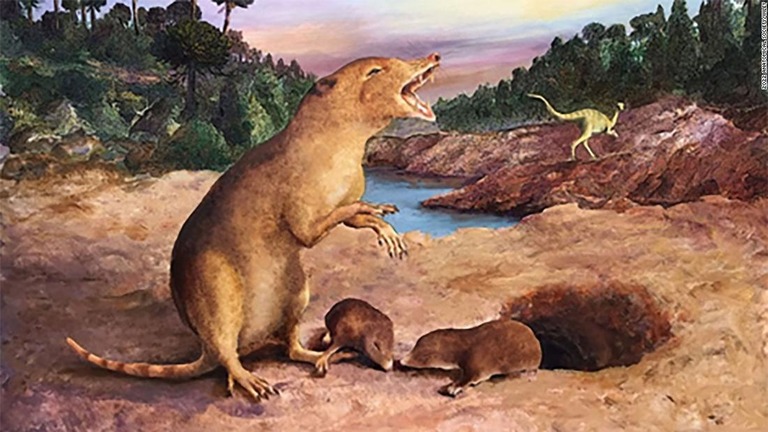
To understand the importance of this embryo, one must understand the creatures known as cynodonts. These were not quite mammals, but they were certainly no longer "standard" reptiles. Cynodonts appeared in the Late Permian and diversified following the Great Dying (the Permian-Triassic extinction event). They exhibited several mammalian hallmarks, including specialized teeth, secondary palates (allowing them to eat and breathe simultaneously), and potentially even whiskers or fur.
The South African embryo belongs to a lineage that shows the transition from the sprawling gait of lizards to the more upright posture of mammals. However, their reproductive system remained primitive. By analyzing the fossilized embryo, researchers have confirmed that these mammal-like reptiles were still utilizing leather-shelled eggs, similar to those laid by modern-day lizards and turtles, rather than the hard-shelled eggs of birds or the placental birth of modern mammals.
| Feature/Aspect | Description |
|---|---|
| Fossil Age | Approximately 190 to 200 Million Years (Early Jurassic). |
| Location Found | Golden Gate Highlands National Park, Karoo Basin, South Africa. |
| Species Group | Non-mammalian Cynodonts (Ancestors of Mammals). |
| Reproductive Evidence | Confirmation of egg-laying (oviparity) in mammalian lineages. |
| Scientific Impact | Oldest direct evidence of embryonic development in mammal ancestors. |
| Technology Used | Synchrotron X-ray imaging and high-resolution 3D CT scanning. |
The Evolution of Mammalian Reproduction
Why is it so important that mammal ancestors laid eggs? This discovery helps scientists map the timeline of the "mammalian toolkit." Evolution rarely happens all at once. Instead, it is a mosaic of traits appearing at different times. We now know that the "mammalian" skull and dental structure evolved long before the "mammalian" reproductive system of live birth.
The journey from egg-laying (oviparity) to live birth (viviparity) involved several intermediate stages. Early ancestors likely laid soft-shelled eggs that required a moist environment. As mammals evolved, some lineages developed the placenta, a complex organ that allows for nutrient exchange between mother and fetus. The South African embryo confirms that even as our ancestors were becoming more "mammal-like" in their anatomy and metabolism, they held onto the ancient reptilian tradition of egg-laying for tens of millions of years.
The Role of Advanced Technology in the Discovery
The identification of the embryo would have been impossible without modern imaging technology. The fossil was encased in hard rock, and traditional mechanical preparation (using tiny chisels and needles) would have likely destroyed the fragile bones. Instead, the research team utilized high-powered Synchrotron X-ray scanning.
This technology, which uses particle accelerators to produce intense X-ray beams, allowed scientists to peer inside the rock and visualize the embryo in 3D without ever touching the specimen. The scans revealed the tiny skull, the delicate ribs, and the curled limbs of the developing cynodont. This non-invasive technique is revolutionizing paleontology, allowing for the study of fossils that were previously thought to be "hidden" within their matrix.
South Africa: A Cradle of Evolutionary History
The discovery underscores the importance of the Karoo Basin in South Africa. This region is one of the few places on Earth where there is a continuous geological record of the transition from the "Age of Reptiles" to the "Age of Mammals." South African researchers and international collaborators have spent decades scouring these badlands, finding everything from early dinosaurs like Massospondylus to the complex synapsids that eventually gave rise to us.
This specific embryo find provides a much-needed data point in the Southern Hemisphere's fossil record. Historically, much of our knowledge of early mammalian evolution came from the Northern Hemisphere. However, the South African find suggests that the Southern Hemisphere (then part of the supercontinent Gondwana) was a major laboratory for evolutionary experimentation during the Mesozoic Era.
Implications for the History of Life
By studying this 200-million-year-old embryo, scientists can draw parallels between the development of ancient species and modern ones. The growth patterns observed in the fossil—such as the rate of bone ossification—give clues about whether these creatures were fast-growing (like modern mammals) or slow-growing (like modern reptiles). Initial findings suggest that even at this early stage, cynodonts were beginning to show accelerated growth rates, a precursor to the high-metabolism lifestyle of modern mammals.
Conclusion
The discovery of the world’s oldest mammal ancestor embryo in South Africa is a monumental achievement in the field of evolutionary biology. It provides the definitive missing link in our understanding of how reproduction evolved, proving that the road to being a mammal was paved with millions of years of egg-laying. This tiny, fossilized life form, frozen in time for 200 million years, reminds us of the long and winding path that life has taken on Earth. As technology continues to improve, we can only imagine what other secrets are still buried beneath the South African soil, waiting to tell us more about our own origins.
Frequently Asked Questions (FAQ)
1. Why is this embryo fossil so significant?
It is the oldest direct evidence that the ancestors of mammals laid eggs. While it was long suspected based on modern monotremes (like the platypus), this fossil provides the actual physical proof from the Early Jurassic period, about 200 million years ago.
2. What kind of animal was the embryo?
The embryo belongs to a group called cynodonts. These were "mammal-like reptiles" that lived during the Triassic and Jurassic periods. They are the direct evolutionary ancestors of all modern mammals, including humans.
3. Where in South Africa was it found?
The fossil was discovered in the Karoo Basin, specifically within the Golden Gate Highlands National Park. This area is world-renowned for its rich deposits of fossils from the Mesozoic Era.
4. How did the scientists see the embryo without breaking the rock?
They used advanced Synchrotron X-ray imaging. This technology allows researchers to create high-resolution 3D models of the inside of a rock, revealing the fragile bones of the embryo without causing any physical damage to the specimen.
5. Do any mammals still lay eggs today?
Yes, a small group of mammals called monotremes still lay eggs. This group includes the platypus and several species of echidna (spiny anteaters), both found in Australia and New Guinea. This new fossil shows that this was once the standard for all mammal ancestors.
Embryo fossil found in South Africa is world's oldest proof that mammal ancestors laid eggs
Embryo fossil found in South Africa is world's oldest proof that mammal ancestors laid eggs Wallpapers
Collection of embryo fossil found in south africa is world's oldest proof that mammal ancestors laid eggs wallpapers for your desktop and mobile devices.

Dynamic Embryo Fossil Found In South Africa Is World's Oldest Proof That Mammal Ancestors Laid Eggs Image Illustration
Immerse yourself in the stunning details of this beautiful embryo fossil found in south africa is world's oldest proof that mammal ancestors laid eggs wallpaper, designed for a captivating visual experience.
Gorgeous Embryo Fossil Found In South Africa Is World's Oldest Proof That Mammal Ancestors Laid Eggs Artwork in HD
Immerse yourself in the stunning details of this beautiful embryo fossil found in south africa is world's oldest proof that mammal ancestors laid eggs wallpaper, designed for a captivating visual experience.

Captivating Embryo Fossil Found In South Africa Is World's Oldest Proof That Mammal Ancestors Laid Eggs Wallpaper for Your Screen
A captivating embryo fossil found in south africa is world's oldest proof that mammal ancestors laid eggs scene that brings tranquility and beauty to any device.

Lush Embryo Fossil Found In South Africa Is World's Oldest Proof That Mammal Ancestors Laid Eggs Image Nature
Immerse yourself in the stunning details of this beautiful embryo fossil found in south africa is world's oldest proof that mammal ancestors laid eggs wallpaper, designed for a captivating visual experience.

Spectacular Embryo Fossil Found In South Africa Is World's Oldest Proof That Mammal Ancestors Laid Eggs Picture for Mobile
Find inspiration with this unique embryo fossil found in south africa is world's oldest proof that mammal ancestors laid eggs illustration, crafted to provide a fresh look for your background.

Gorgeous Embryo Fossil Found In South Africa Is World's Oldest Proof That Mammal Ancestors Laid Eggs View Illustration
A captivating embryo fossil found in south africa is world's oldest proof that mammal ancestors laid eggs scene that brings tranquility and beauty to any device.

Lush Embryo Fossil Found In South Africa Is World's Oldest Proof That Mammal Ancestors Laid Eggs Landscape Illustration
This gorgeous embryo fossil found in south africa is world's oldest proof that mammal ancestors laid eggs photo offers a breathtaking view, making it a perfect choice for your next wallpaper.

Vivid Embryo Fossil Found In South Africa Is World's Oldest Proof That Mammal Ancestors Laid Eggs Artwork in 4K
Explore this high-quality embryo fossil found in south africa is world's oldest proof that mammal ancestors laid eggs image, perfect for enhancing your desktop or mobile wallpaper.

Vibrant Embryo Fossil Found In South Africa Is World's Oldest Proof That Mammal Ancestors Laid Eggs Background Nature
Discover an amazing embryo fossil found in south africa is world's oldest proof that mammal ancestors laid eggs background image, ideal for personalizing your devices with vibrant colors and intricate designs.

Serene Embryo Fossil Found In South Africa Is World's Oldest Proof That Mammal Ancestors Laid Eggs Landscape Nature
Experience the crisp clarity of this stunning embryo fossil found in south africa is world's oldest proof that mammal ancestors laid eggs image, available in high resolution for all your screens.
Artistic Embryo Fossil Found In South Africa Is World's Oldest Proof That Mammal Ancestors Laid Eggs Photo Nature
Immerse yourself in the stunning details of this beautiful embryo fossil found in south africa is world's oldest proof that mammal ancestors laid eggs wallpaper, designed for a captivating visual experience.
Vivid Embryo Fossil Found In South Africa Is World's Oldest Proof That Mammal Ancestors Laid Eggs Background for Your Screen
Transform your screen with this vivid embryo fossil found in south africa is world's oldest proof that mammal ancestors laid eggs artwork, a true masterpiece of digital design.
Captivating Embryo Fossil Found In South Africa Is World's Oldest Proof That Mammal Ancestors Laid Eggs Photo Art
Find inspiration with this unique embryo fossil found in south africa is world's oldest proof that mammal ancestors laid eggs illustration, crafted to provide a fresh look for your background.

Lush Embryo Fossil Found In South Africa Is World's Oldest Proof That Mammal Ancestors Laid Eggs Wallpaper Collection
Find inspiration with this unique embryo fossil found in south africa is world's oldest proof that mammal ancestors laid eggs illustration, crafted to provide a fresh look for your background.

Vibrant Embryo Fossil Found In South Africa Is World's Oldest Proof That Mammal Ancestors Laid Eggs Picture Illustration
Explore this high-quality embryo fossil found in south africa is world's oldest proof that mammal ancestors laid eggs image, perfect for enhancing your desktop or mobile wallpaper.
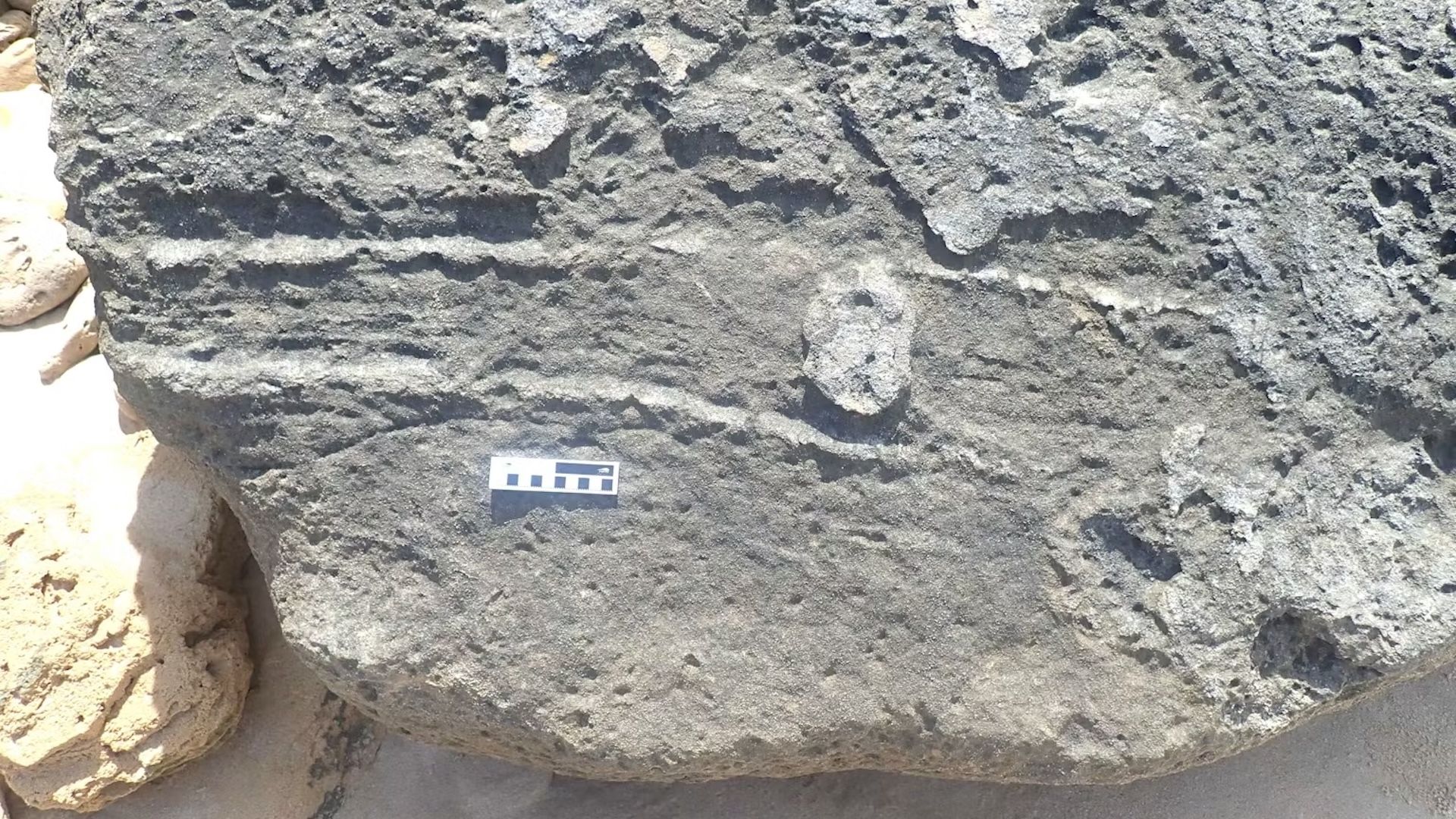
Exquisite Embryo Fossil Found In South Africa Is World's Oldest Proof That Mammal Ancestors Laid Eggs Capture for Your Screen
Immerse yourself in the stunning details of this beautiful embryo fossil found in south africa is world's oldest proof that mammal ancestors laid eggs wallpaper, designed for a captivating visual experience.
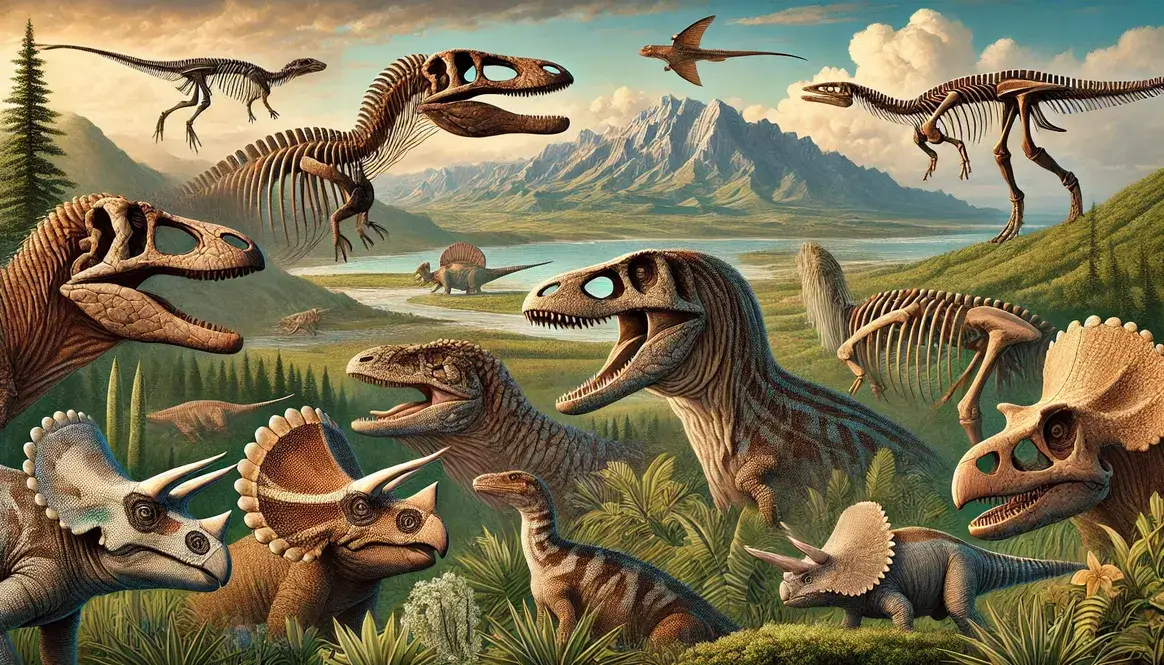
Detailed Embryo Fossil Found In South Africa Is World's Oldest Proof That Mammal Ancestors Laid Eggs Artwork for Desktop
Explore this high-quality embryo fossil found in south africa is world's oldest proof that mammal ancestors laid eggs image, perfect for enhancing your desktop or mobile wallpaper.
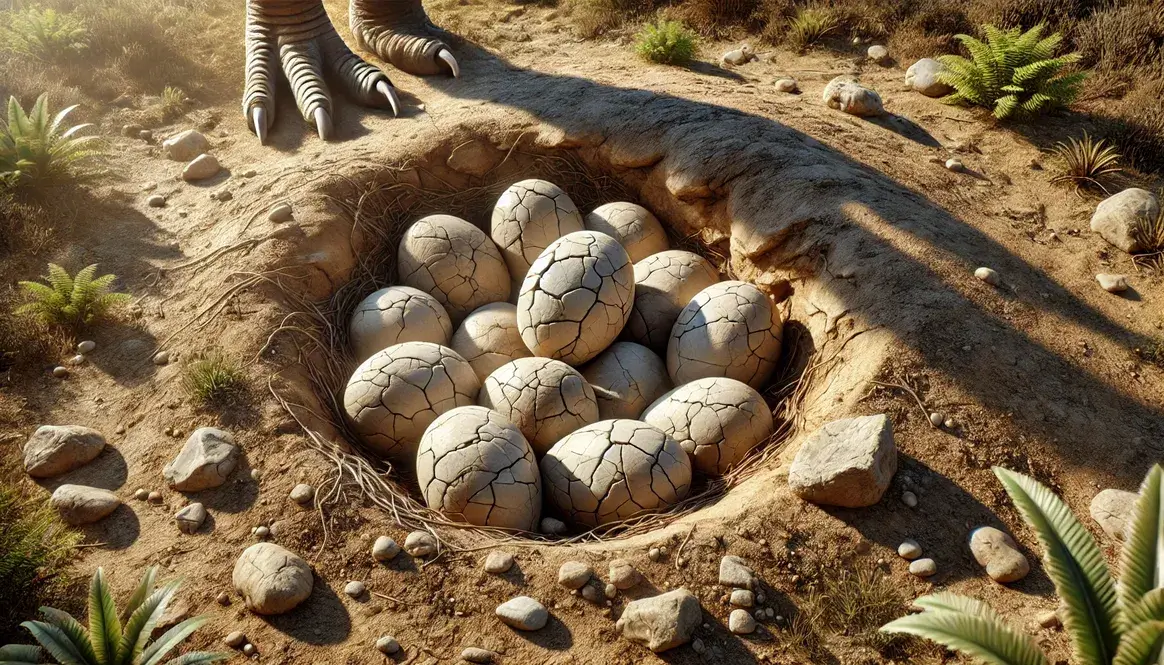
Mesmerizing Embryo Fossil Found In South Africa Is World's Oldest Proof That Mammal Ancestors Laid Eggs Photo Digital Art
Discover an amazing embryo fossil found in south africa is world's oldest proof that mammal ancestors laid eggs background image, ideal for personalizing your devices with vibrant colors and intricate designs.
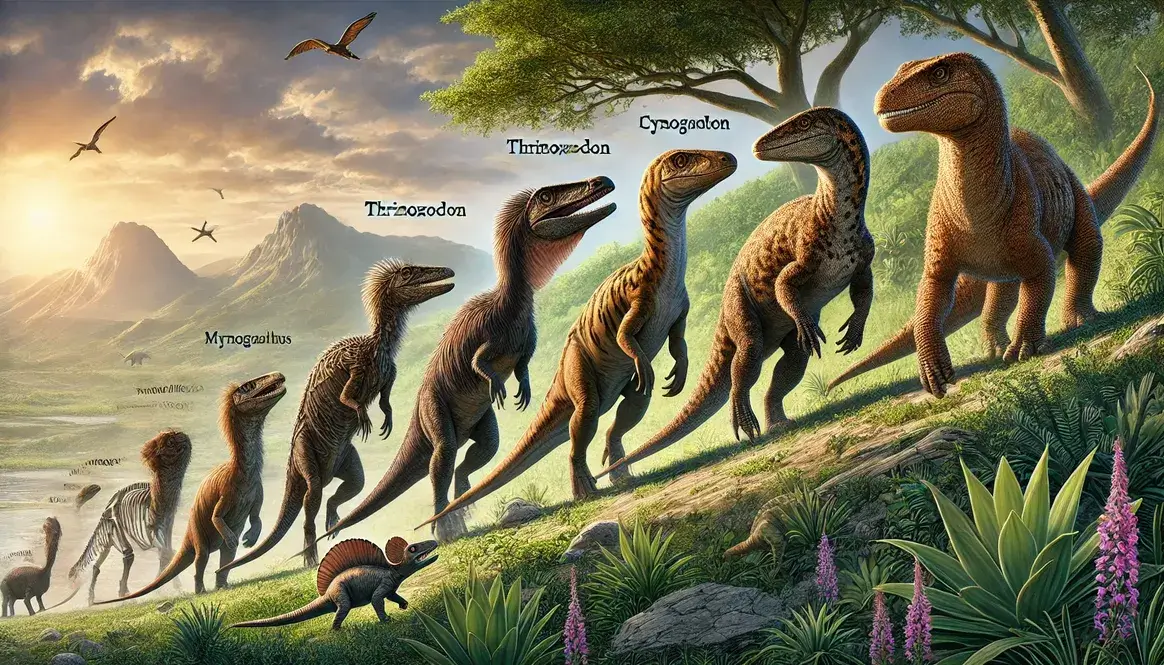
Spectacular Embryo Fossil Found In South Africa Is World's Oldest Proof That Mammal Ancestors Laid Eggs Landscape for Your Screen
A captivating embryo fossil found in south africa is world's oldest proof that mammal ancestors laid eggs scene that brings tranquility and beauty to any device.

Stunning Embryo Fossil Found In South Africa Is World's Oldest Proof That Mammal Ancestors Laid Eggs Capture Photography
Immerse yourself in the stunning details of this beautiful embryo fossil found in south africa is world's oldest proof that mammal ancestors laid eggs wallpaper, designed for a captivating visual experience.
Download these embryo fossil found in south africa is world's oldest proof that mammal ancestors laid eggs wallpapers for free and use them on your desktop or mobile devices.