Iran’s Defenses Have Been Struck, but They Can Still Fire Missiles and Drones
Iran’s Defenses Have Been Struck, but They Can Still Fire Missiles and Drones
The landscape of Middle Eastern warfare shifted dramatically overnight. For decades, the "shadow war" between major powers in the region was fought through proxies, cyberattacks, and covert assassinations. However, the veil has been lifted. Recent surgical strikes have targeted Iran’s sophisticated air defense networks, leaving craters where radar installations once stood. Yet, military analysts warn that a wounded lion is often the most dangerous. Despite the tactical degradation of its defensive shield, Tehran’s offensive "sword"—a massive arsenal of ballistic missiles and suicide drones—remains largely unsheathed and ready for deployment.
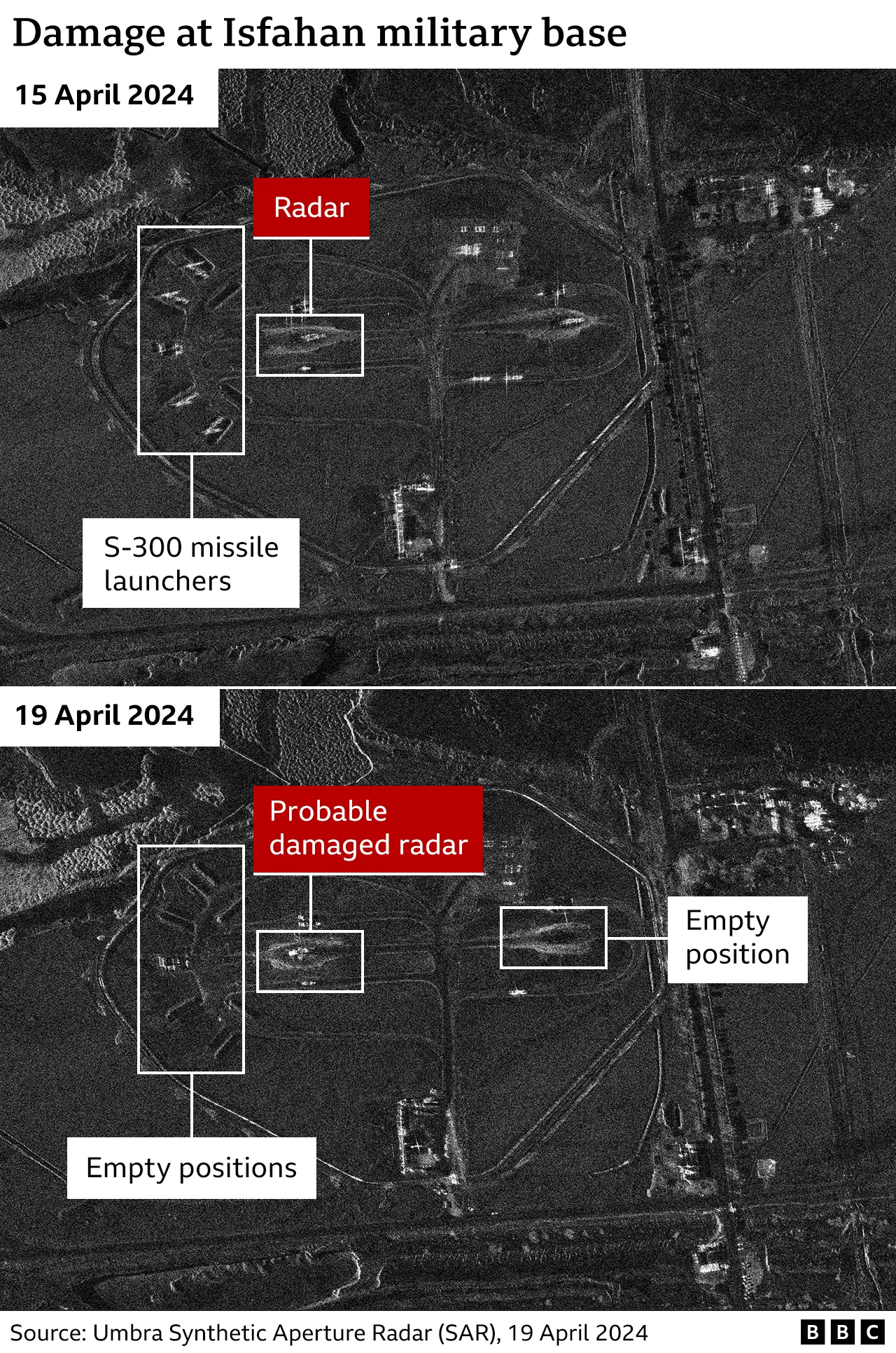
In the early hours of a recent Tuesday, residents near the city of Isfahan reported hearing rhythmic booms that rattled windows and lit up the horizon. These weren't the sounds of standard military exercises. They were the sounds of precision-guided munitions neutralizing Russian-made S-300 surface-to-air missile systems. For the Iranian leadership, the message was clear: your skies are no longer sovereign. But for the rest of the world, the question remains: does a compromised defense make Iran more likely to retreat, or more likely to strike back with everything it has left?
The Aftermath of the Precision Strikes: Assessing the Damage to the Shield
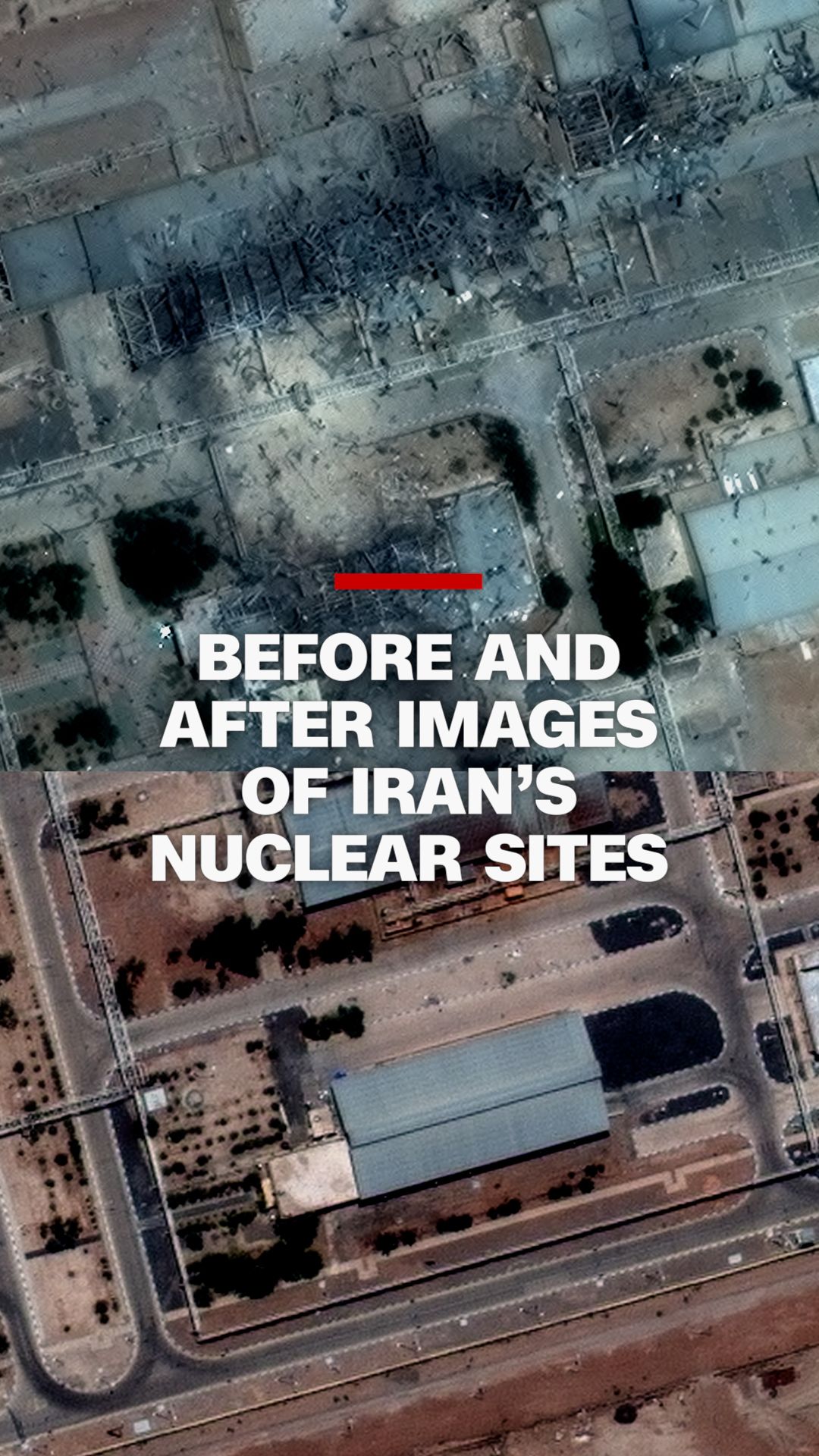
The primary objective of the recent strikes was the degradation of Iran’s Integrated Air Defense System (IADS). Specifically, intelligence reports suggest that the radar arrays associated with the S-300 batteries—Tehran’s most advanced defensive assets—were the primary targets. By blinding these "eyes in the sky," an adversary can operate with relative impunity in the stratosphere. However, neutralizing a radar site is not the same as neutralizing a nation’s will to fight.
The damage, while strategically significant, is localized. Iran is a vast, mountainous country with a geography designed for defense-in-depth. Military experts point out that while key nodes near nuclear facilities like Natanz may have been hit, the Islamic Revolutionary Guard Corps (IRGC) has spent years diversifying and hiding its mobile radar units. These units can be deployed, activated for minutes to scan the horizon, and then relocated before a counter-strike can be launched.
- S-300 Vulnerabilities: The Russian-made systems, while potent, have shown susceptibility to modern electronic warfare and stealth technology.
- Strategic Blinding: By targeting long-range radars, attackers have created "corridors" of vulnerability that limit Tehran's early warning capabilities.
- Internal Displacement: The IRGC is reportedly moving its remaining air defense assets into civilian-adjacent areas to deter further bombardment, a tactic known as "human shielding" in international law.
Despite these setbacks, the Iranian military doctrine has never relied solely on a "hard shell" defense. Instead, they have perfected the art of asymmetric warfare. If they cannot stop an incoming jet, they intend to make the cost of launching that jet so high that the enemy hesitates. This leads us to the most critical component of the current tension: the offensive arsenal that remains hidden in "missile cities" deep beneath the Zagros Mountains.
The Resilient Arsenal: Why Iran’s Offensive Reach Remains Intact
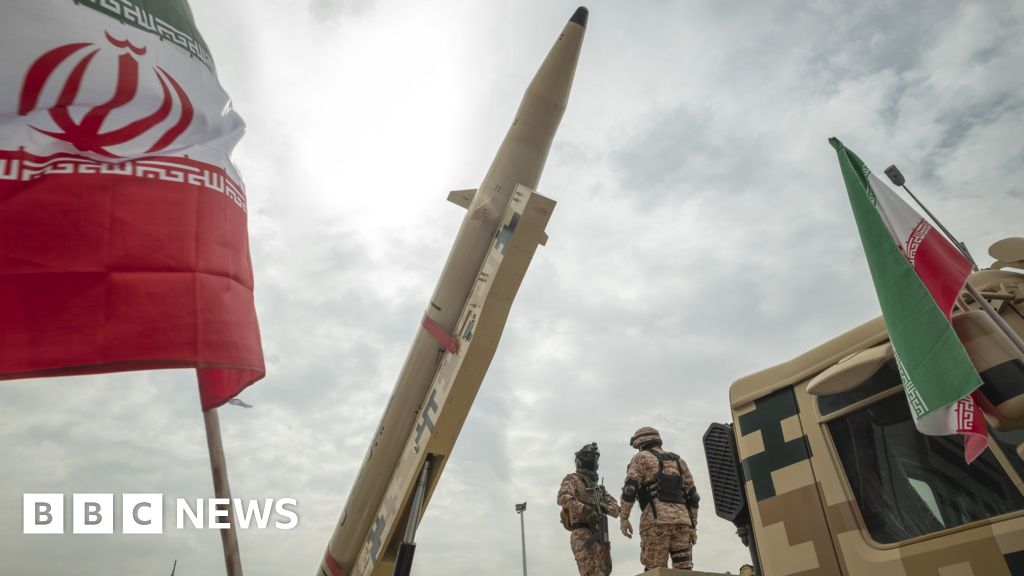
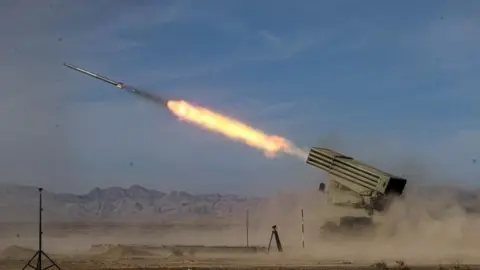
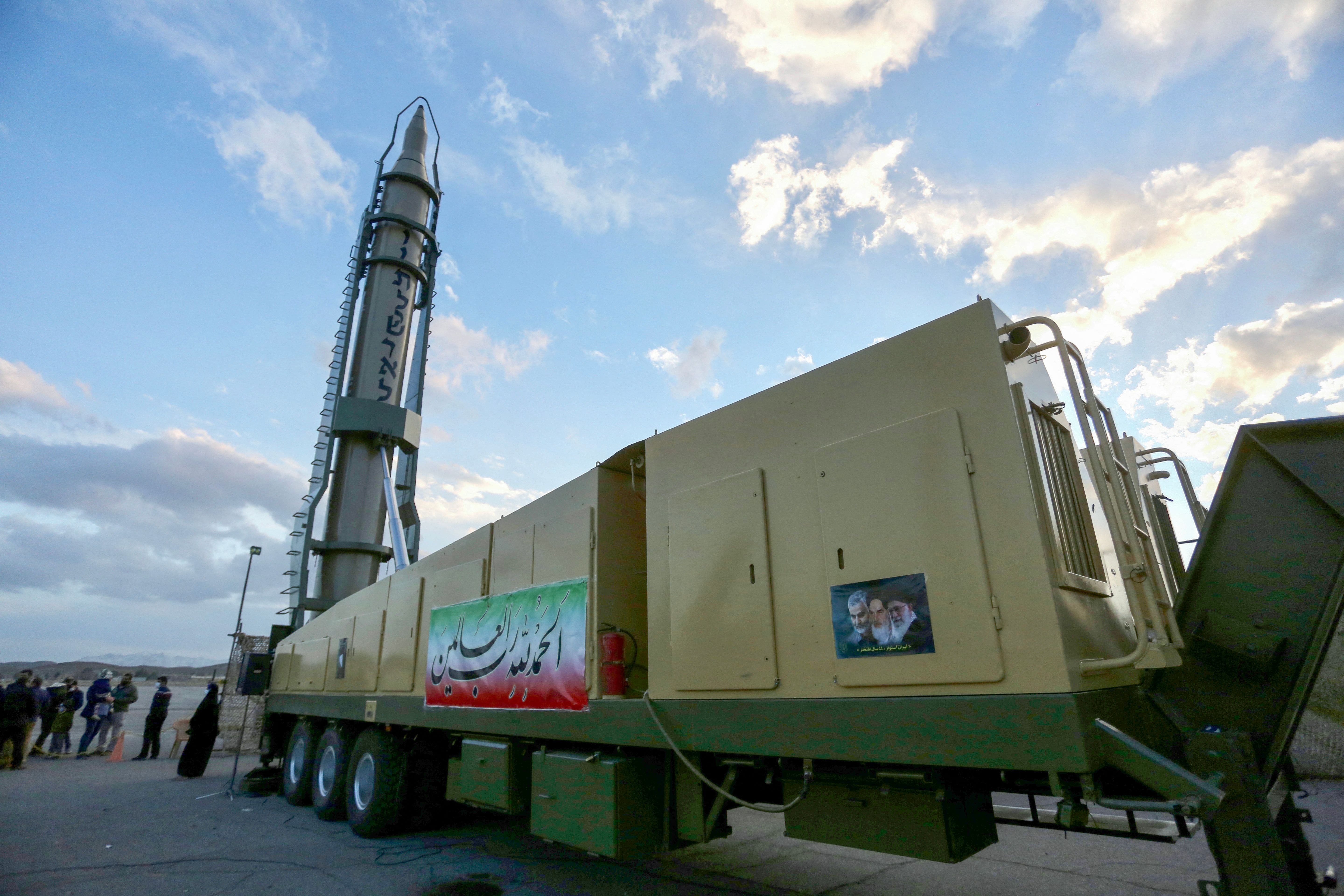
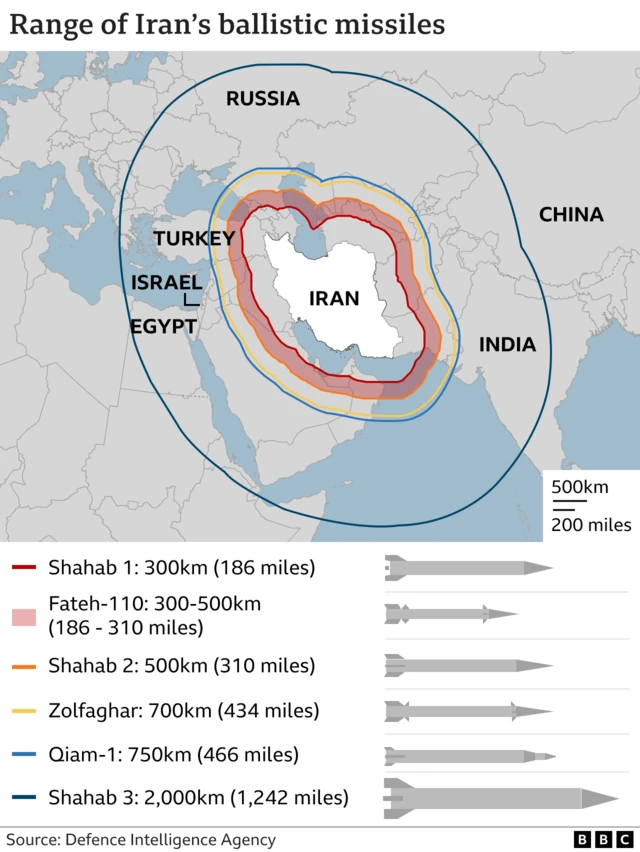
Imagine a subterranean labyrinth stretching for miles, filled with rows of "Shahab" and "Khyber Shekan" missiles, fueled and pre-programmed with coordinates of regional capitals. This is not the plot of a spy thriller; it is the reality of Iran’s "Missile Cities." The recent strikes focused on the shield (defense), not the sword (offense). Iran’s ability to launch a massive, coordinated barrage of missiles and drones remains effectively untouched.
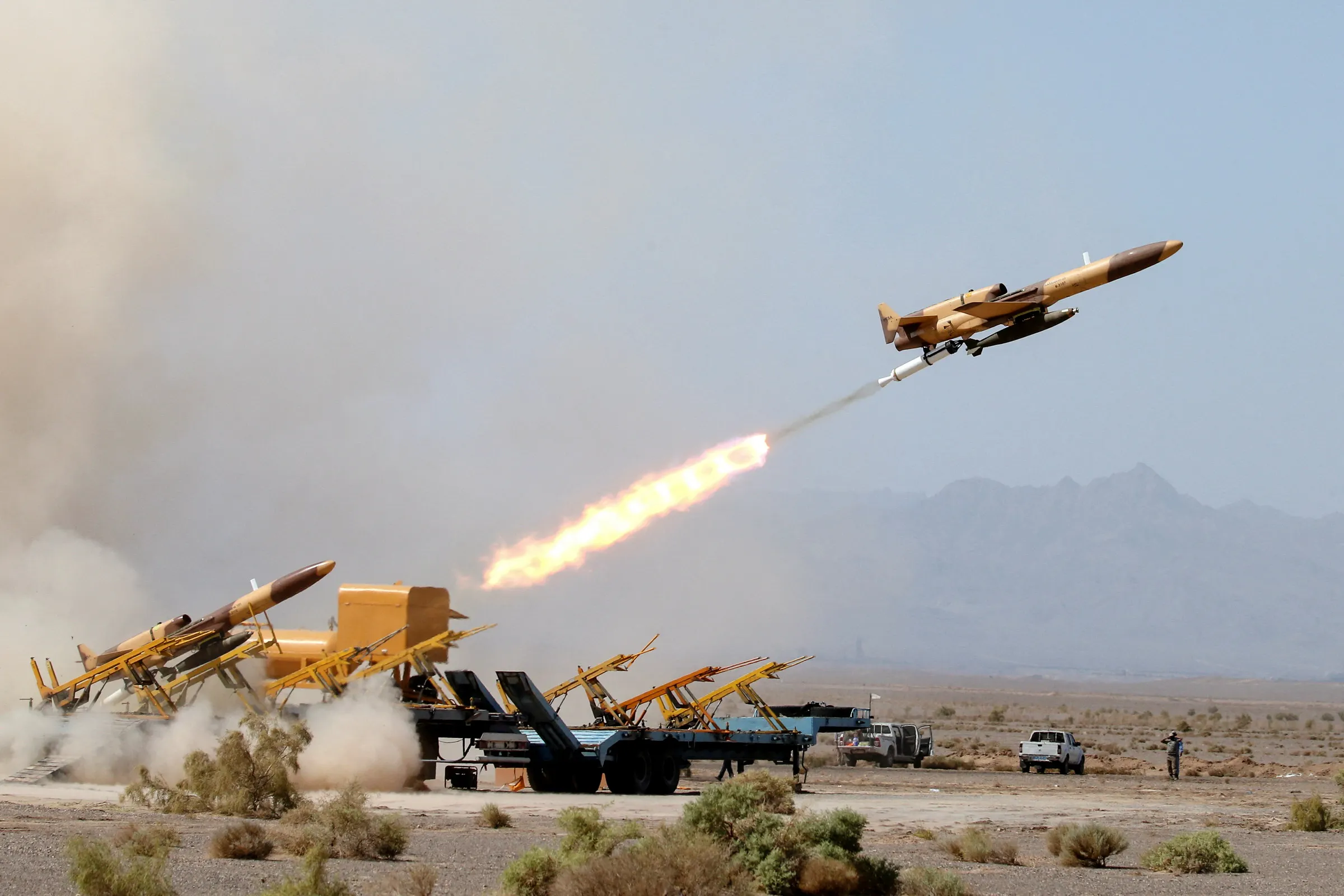
The sheer volume of Iran’s inventory is its primary strength. Estimates suggest that the IRGC possesses over 3,000 ballistic missiles of various ranges. Even more concerning for regional security is the proliferation of the Shahed-136 "suicide" drones. These low-cost, low-altitude loitering munitions are designed to overwhelm sophisticated defense systems through "swarming" tactics. If you fire one missile, it can be intercepted. If you fire 300 drones simultaneously, the statistics favor the attacker.
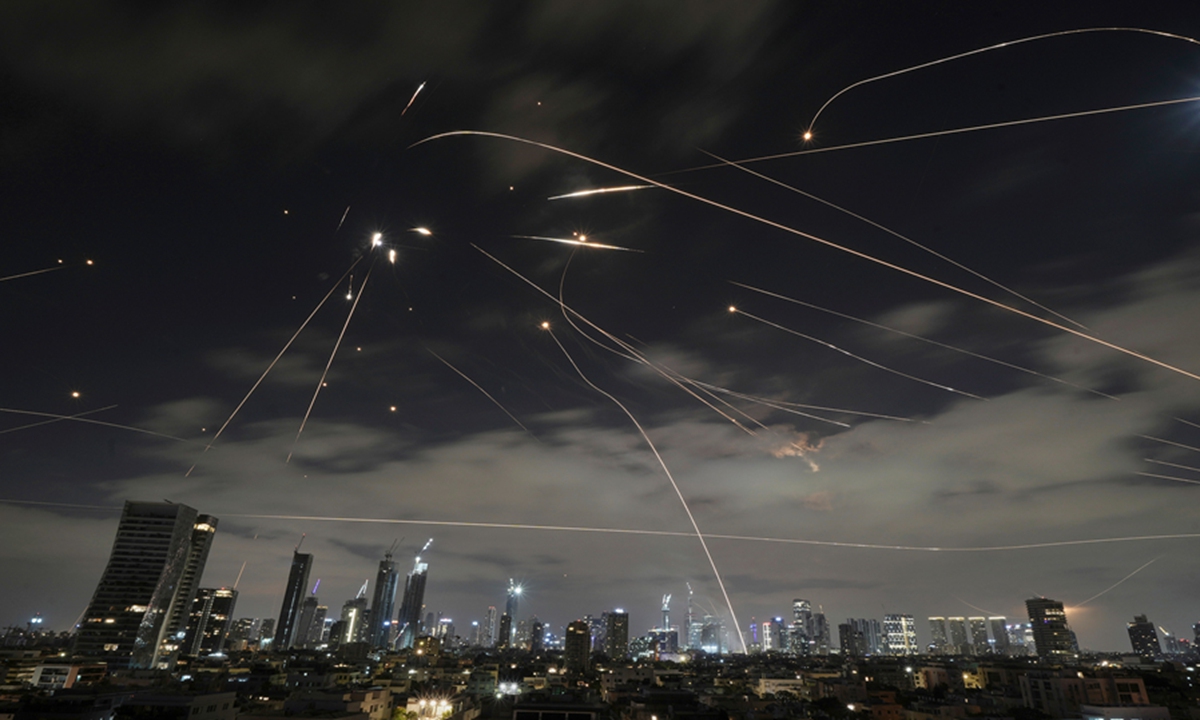
Consider the psychological impact on a soldier operating a multi-million dollar Iron Dome or Patriot battery. On the radar screen, a swarm of Shahed drones looks like a cloud of locusts. Each interceptor missile costs hundreds of thousands of dollars, while a single drone costs less than a used sedan. This economic asymmetry is a core pillar of Iran's strategy. They don't need to win a dogfight in the air; they only need to exhaust the enemy's ammunition and patience.
- Hypersonic Ambitions: Recent claims regarding the "Fattah" hypersonic missile suggest Iran is seeking weapons that can bypass even the most modern Western defenses.
- Mobile Launch Platforms: Unlike fixed silos, Iran’s mobile launchers can be hidden in commercial trucks or tunnels, making them nearly impossible to eliminate in a single "pre-emptive" strike.
- Satellite Guidance: Despite international sanctions, Iran has successfully launched domestic satellites, improving the mid-course guidance of its long-range projectiles.
The reality is that while Iran’s air defenses have been struck, the machinery of its offensive capability is humming at full speed. For a commander in Tehran, the loss of an S-300 battery is a manageable tactical setback. The retention of the missile fleet is a strategic necessity that ensures they remain a dominant player in the Middle Eastern power dynamic.
A Regional Game of Chess: Proxy Networks and the "Ring of Fire"
To understand why a strike on Iranian soil doesn't immediately end the threat, one must look beyond Iran’s borders. Tehran has spent decades cultivating what military analysts call the "Axis of Resistance." This is a "Ring of Fire" strategy that surrounds its adversaries with proxy forces—Hezbollah in Lebanon, the Houthis in Yemen, and various militias in Iraq and Syria.
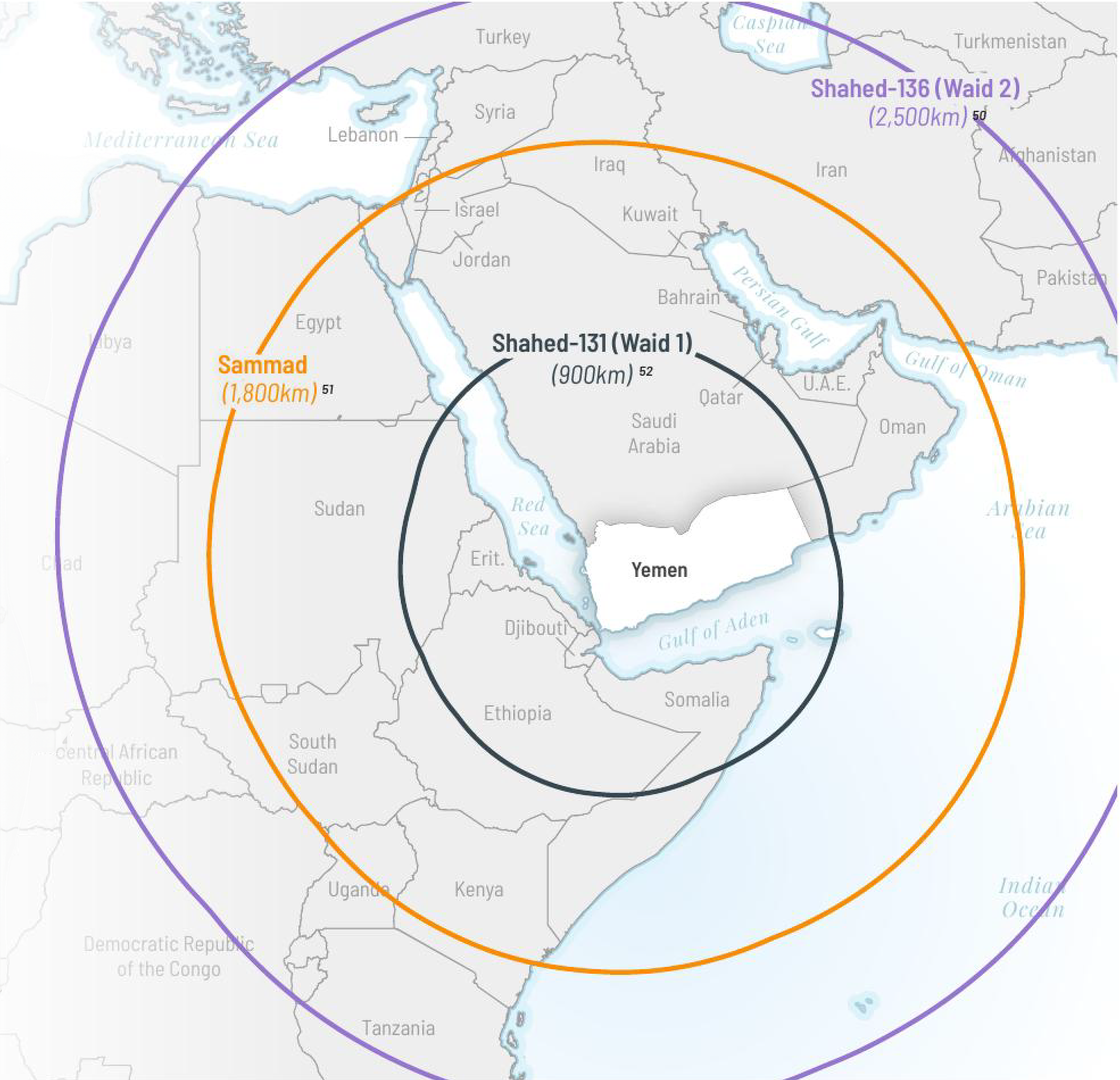
When Iran’s internal defenses are pressured, it often signals its proxies to increase the heat. We saw this recently with the Houthi rebels in the Red Sea. Using Iranian-provided technology, they have effectively disrupted global shipping, forcing the world's largest navies to expend enormous resources protecting trade routes. This is "offensive defense" at its most effective. By striking a tanker in the Gulf of Aden, Iran reminds its attackers that the price of escalation will be felt in the global economy, specifically at the gas pump.
Storytelling in this context often involves the "silent commanders"—men like the late Qasem Soleimani, whose legacy continues to dictate how these proxy networks operate. They don't wait for a direct order for every skirmish. They operate on a standing doctrine of "proportional harassment." If Tehran feels vulnerable at home, Hezbollah may launch a drone toward a sensitive installation in northern Israel, or a militia in Iraq might fire rockets at a Western military base. This creates a multi-front dilemma that prevents any single adversary from focusing entirely on degrading Iran's core defenses.
Furthermore, the technology transfer has become a one-way street of escalation. Hezbollah now possesses precision-guided kits that can turn "dumb" rockets into surgical tools. The Houthis are launching medium-range ballistic missiles that can reach as far as Eilat. Iran has successfully exported its "sword" to every corner of the region, ensuring that even if the heart is struck, the limbs can still strike back with lethal force.
The Path Forward: Diplomacy or All-Out Conflict?
The current situation is a volatile stalemate. Iran knows its air defenses are porous, which makes it feel insecure. History teaches us that insecure regimes often act more aggressively to project strength. Conversely, its adversaries now know that Iran’s "red lines" can be crossed without immediately triggering a nuclear-level catastrophe. However, this "new normal" is incredibly dangerous.
The risk of a "miscalculation" is at an all-time high. If a stray Iranian drone hits a high-value target or causes significant civilian casualties, the response will likely target the "Missile Cities" themselves. This would be a point of no return. Once the offensive arsenal is directly threatened, the IRGC may feel they have a "use it or lose it" scenario, leading to a full-scale regional war that would involve thousands of missiles being launched in a matter of hours.
International diplomats are working behind the scenes to establish "de-escalation corridors." The goal is to allow both sides to "claim victory" and retreat to a state of cold war. But with the technological gap closing and the rhetoric heating up, the window for diplomacy is narrowing. The world is watching the skies over the Middle East, knowing that while the shields may be cracked, the missiles are still in their tubes, and the drones are fueled for flight.
In conclusion, the strikes on Iran’s defenses have exposed vulnerabilities, but they have not disarmed the nation. The strategic calculus remains the same: Iran’s power lies not in its ability to hide, but in its ability to hit back. As long as the "missile cities" remain intact and the "swarms" of drones are ready for launch, the regional balance of power will remain on a knife's edge. The "shadow war" may have ended, but the era of open, high-stakes deterrence has just begun.
- Key Takeaway 1: Air defense degradation does not equal offensive neutralization.
- Key Takeaway 2: Drone technology has fundamentally changed the cost-benefit analysis of modern warfare.
- Key Takeaway 3: Proxy networks provide Iran with a "second strike" capability that is difficult to target directly.
As we look toward the coming months, the focus will likely shift from kinetic strikes to electronic warfare and cyber-sabotage. If you can't blow up a missile silo, perhaps you can hack the software that tells it where to aim. In the modern Middle East, the battlefield is everywhere—from the deep tunnels of the IRGC to the digital infrastructure of the global financial system. One thing is certain: the strikes on Iran's defenses were a chapter, not the finale, of this ongoing geopolitical saga.
Iran’s Defenses Have Been Struck, but They Can Still Fire Missiles and Drones
Iran’s Defenses Have Been Struck, but They Can Still Fire Missiles and Drones Wallpapers
Collection of iran’s defenses have been struck, but they can still fire missiles and drones wallpapers for your desktop and mobile devices.

Amazing Iran’s Defenses Have Been Struck, But They Can Still Fire Missiles And Drones Abstract for Desktop
Discover an amazing iran’s defenses have been struck, but they can still fire missiles and drones background image, ideal for personalizing your devices with vibrant colors and intricate designs.
Artistic Iran’s Defenses Have Been Struck, But They Can Still Fire Missiles And Drones Moment Collection
This gorgeous iran’s defenses have been struck, but they can still fire missiles and drones photo offers a breathtaking view, making it a perfect choice for your next wallpaper.
Breathtaking Iran’s Defenses Have Been Struck, But They Can Still Fire Missiles And Drones Image Concept
Discover an amazing iran’s defenses have been struck, but they can still fire missiles and drones background image, ideal for personalizing your devices with vibrant colors and intricate designs.
Gorgeous Iran’s Defenses Have Been Struck, But They Can Still Fire Missiles And Drones Scene for Desktop
This gorgeous iran’s defenses have been struck, but they can still fire missiles and drones photo offers a breathtaking view, making it a perfect choice for your next wallpaper.
Dynamic Iran’s Defenses Have Been Struck, But They Can Still Fire Missiles And Drones Moment Concept
Find inspiration with this unique iran’s defenses have been struck, but they can still fire missiles and drones illustration, crafted to provide a fresh look for your background.
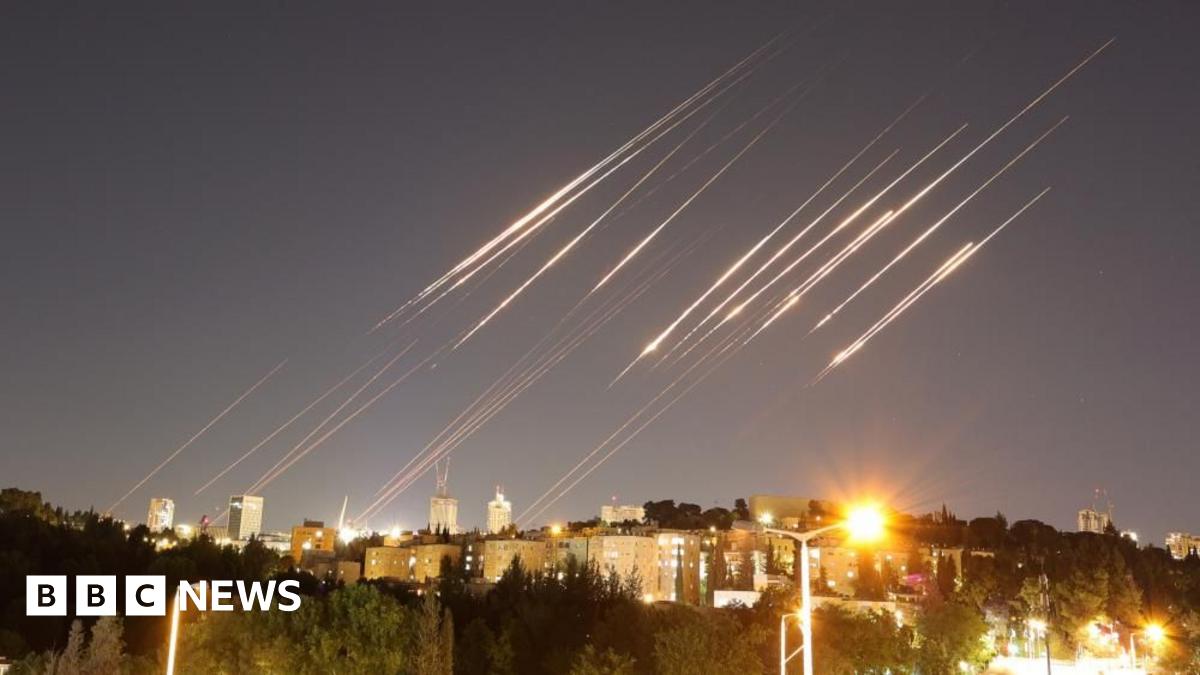
Gorgeous Iran’s Defenses Have Been Struck, But They Can Still Fire Missiles And Drones Scene Illustration
A captivating iran’s defenses have been struck, but they can still fire missiles and drones scene that brings tranquility and beauty to any device.
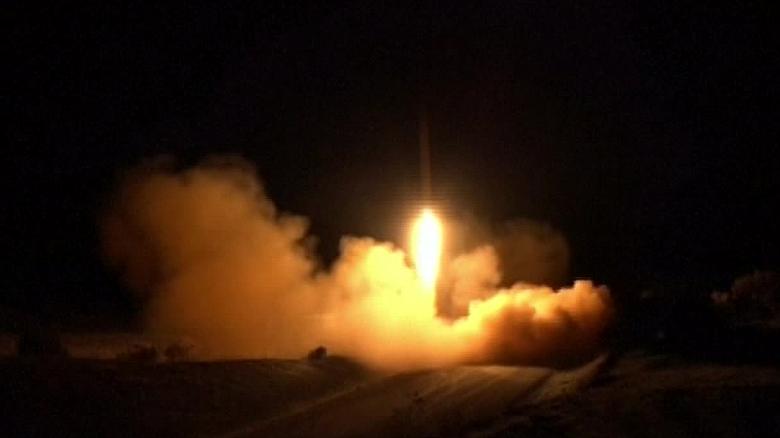
Dynamic Iran’s Defenses Have Been Struck, But They Can Still Fire Missiles And Drones Background in HD
A captivating iran’s defenses have been struck, but they can still fire missiles and drones scene that brings tranquility and beauty to any device.
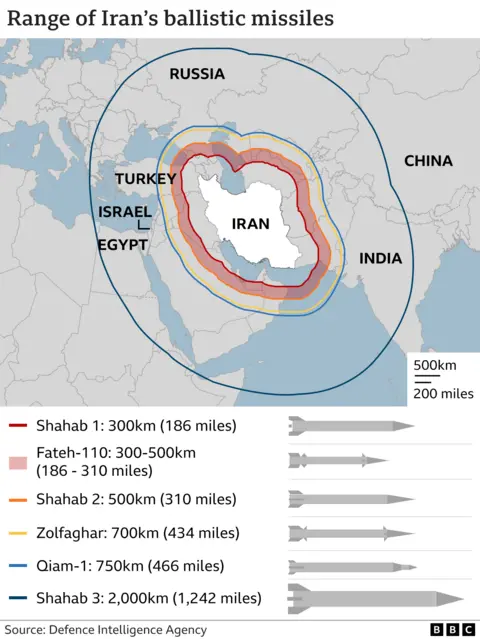
Lush Iran’s Defenses Have Been Struck, But They Can Still Fire Missiles And Drones Abstract Illustration
This gorgeous iran’s defenses have been struck, but they can still fire missiles and drones photo offers a breathtaking view, making it a perfect choice for your next wallpaper.
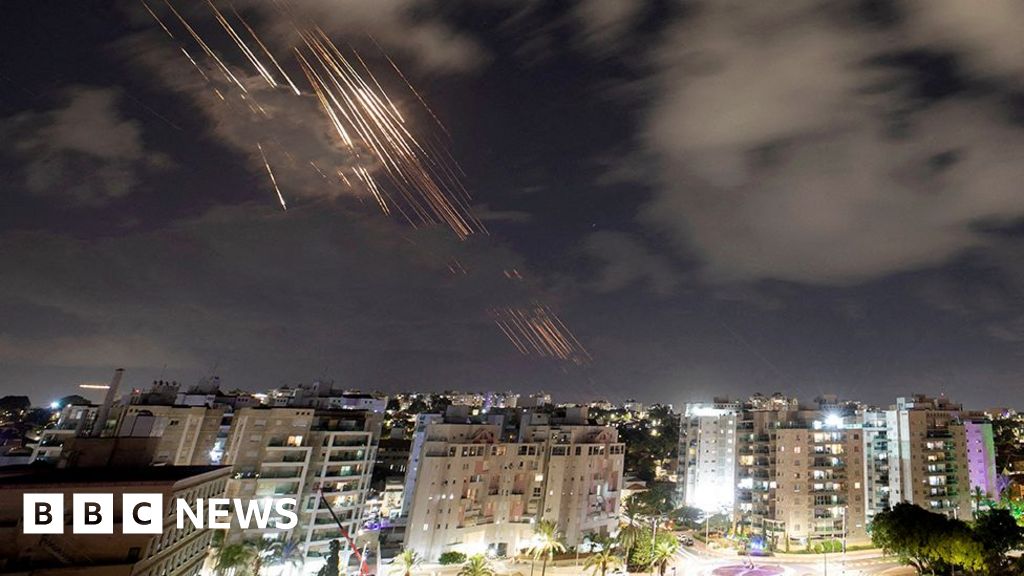
Mesmerizing Iran’s Defenses Have Been Struck, But They Can Still Fire Missiles And Drones Background Art
Experience the crisp clarity of this stunning iran’s defenses have been struck, but they can still fire missiles and drones image, available in high resolution for all your screens.
High-Quality Iran’s Defenses Have Been Struck, But They Can Still Fire Missiles And Drones Wallpaper for Desktop
Transform your screen with this vivid iran’s defenses have been struck, but they can still fire missiles and drones artwork, a true masterpiece of digital design.
Lush Iran’s Defenses Have Been Struck, But They Can Still Fire Missiles And Drones Photo for Desktop
Immerse yourself in the stunning details of this beautiful iran’s defenses have been struck, but they can still fire missiles and drones wallpaper, designed for a captivating visual experience.

Beautiful Iran’s Defenses Have Been Struck, But They Can Still Fire Missiles And Drones Photo Digital Art
Discover an amazing iran’s defenses have been struck, but they can still fire missiles and drones background image, ideal for personalizing your devices with vibrant colors and intricate designs.

Gorgeous Iran’s Defenses Have Been Struck, But They Can Still Fire Missiles And Drones Abstract in 4K
Find inspiration with this unique iran’s defenses have been struck, but they can still fire missiles and drones illustration, crafted to provide a fresh look for your background.
Exquisite Iran’s Defenses Have Been Struck, But They Can Still Fire Missiles And Drones Background Digital Art
Find inspiration with this unique iran’s defenses have been struck, but they can still fire missiles and drones illustration, crafted to provide a fresh look for your background.
Captivating Iran’s Defenses Have Been Struck, But They Can Still Fire Missiles And Drones Picture Digital Art
Immerse yourself in the stunning details of this beautiful iran’s defenses have been struck, but they can still fire missiles and drones wallpaper, designed for a captivating visual experience.
Spectacular Iran’s Defenses Have Been Struck, But They Can Still Fire Missiles And Drones Capture Concept
This gorgeous iran’s defenses have been struck, but they can still fire missiles and drones photo offers a breathtaking view, making it a perfect choice for your next wallpaper.
High-Quality Iran’s Defenses Have Been Struck, But They Can Still Fire Missiles And Drones View for Desktop
Explore this high-quality iran’s defenses have been struck, but they can still fire missiles and drones image, perfect for enhancing your desktop or mobile wallpaper.

Captivating Iran’s Defenses Have Been Struck, But They Can Still Fire Missiles And Drones View Nature
Find inspiration with this unique iran’s defenses have been struck, but they can still fire missiles and drones illustration, crafted to provide a fresh look for your background.

Captivating Iran’s Defenses Have Been Struck, But They Can Still Fire Missiles And Drones Moment Digital Art
Immerse yourself in the stunning details of this beautiful iran’s defenses have been struck, but they can still fire missiles and drones wallpaper, designed for a captivating visual experience.

Beautiful Iran’s Defenses Have Been Struck, But They Can Still Fire Missiles And Drones Capture in 4K
Experience the crisp clarity of this stunning iran’s defenses have been struck, but they can still fire missiles and drones image, available in high resolution for all your screens.
Download these iran’s defenses have been struck, but they can still fire missiles and drones wallpapers for free and use them on your desktop or mobile devices.