Ken Burns’ visions of America
Exploring Ken Burns’ Visions of America: A Deep Dive into the Soul of a Nation
In the pantheon of American storytellers, few figures loom as large or as influential as Ken Burns. For over four decades, Burns has acted as a primary chronicler of the American experience, stitching together the disparate threads of history, culture, and conflict into a cohesive narrative tapestry. When we speak of "Ken Burns’ visions of America," we are not merely discussing a collection of documentaries; we are examining a philosophical inquiry into what it means to be an American. From the blood-soaked fields of Gettysburg to the rhythmic syncopation of New Orleans jazz clubs, his work serves as a mirror reflecting the nation’s highest ideals and its most profound failures.
Today, as the United States navigates a complex socio-political landscape, Burns’ work feels more relevant than ever. His "visions" are characterized by a meticulous attention to detail, a deep empathy for individual voices, and an unwavering belief that history is a living, breathing entity. By utilizing his signature stylistic techniques, he has managed to make the past feel immediate, transforming dusty archival photographs into emotional gateways for millions of viewers. This article explores the depth of his contribution to American media, the recurring themes that define his "visions," and how his storytelling continues to shape our national identity.
The Master Architect of National Memory
Ken Burns’ visions of America are built upon a foundation of exhaustive research and narrative elegance. Unlike traditional historical programs that rely on dry academic analysis, Burns prioritizes the "story" in history. He often quotes the late historian Arthur Schlesinger Jr., who suggested that history is to a nation what memory is to an individual. Without memory, an individual is lost; without history, a nation loses its way. Burns sees himself as a restorer of that national memory.
His breakthrough 1990 series, The Civil War, redefined the documentary genre. It wasn't just the facts that captivated audiences; it was the way Burns utilized personal letters, diary entries, and haunting music to humanize the statistics of war. Through this lens, the "vision of America" became one of a family divided, a tragedy of epic proportions that nonetheless forged a new, albeit fragile, unity. This project established the template for all his future work: the "bottom-up" approach to history where the voices of soldiers, slaves, and everyday citizens carry as much weight as those of generals and presidents.
Over the years, this architectural approach has expanded to cover nearly every facet of American life. Whether he is documenting the history of baseball, the intricacies of the Vietnam War, or the majesty of the National Parks, Burns consistently looks for the "American-ness" of the subject. He searches for the tensions between our stated creeds—freedom, equality, and justice—and the lived reality of the American people. This honesty is what gives his visions such staying power; he does not shy away from the shadows, believing that only by acknowledging them can we truly appreciate the light.
The Aesthetic of 'Visions of America': The Ken Burns Effect and Beyond
To understand Ken Burns’ visions of America, one must understand his visual language. Most famously, the "Ken Burns Effect"—a technique of slowly panning and zooming across still photographs—was developed to breathe life into an era before the advent of motion pictures. By focusing on a specific face in a crowd or a detail in a landscape, Burns forces the viewer to connect emotionally with the person in the frame. This isn't just a technical trick; it is a manifestation of his vision that every individual in history matters.
Furthermore, his use of the "talking head" interview has become legendary. By consulting with experts like Shelby Foote, Wynton Marsalis, or Doris Kearns Goodwin, he provides a bridge between academic rigor and public accessibility. These commentators don't just provide facts; they provide soul. They help articulate the "visions" that Burns is trying to project—visions of a country that is constantly reinventing itself through struggle and triumph.
The musical scores of his films are equally vital. Whether it is the melancholy "Ashokan Farewell" or the vibrant horns of a jazz ensemble, the music acts as the emotional heartbeat of his documentaries. It guides the viewer through the narrative, evoking nostalgia, sorrow, or pride at exactly the right moments. This multi-sensory approach ensures that his visions are not just seen or heard, but felt. This emotional resonance is a key reason why his work is often cited as the gold standard for historical storytelling in the digital age.
| Aspect of Vision | Description and Impact |
|---|---|
| Archival Synthesis | Combining thousands of photographs, film clips, and documents to create a cohesive visual narrative of the past. |
| Narrative Voice | The use of first-person accounts (letters, diaries) to provide an intimate, "bottom-up" perspective on historical events. |
| Thematic Continuity | A focus on recurring American themes: race, democracy, individual versus collective rights, and the meaning of freedom. |
| Cultural Iconography | Exploring American identity through its passions, such as Baseball, Jazz, Country Music, and the National Parks. |
Chronicling Conflict and the Search for Unity
A recurring theme in Ken Burns’ visions of America is the presence of conflict as a catalyst for growth. Burns posits that America is a country founded on an idea—an experiment in self-governance that is perpetually tested. His documentaries on The Vietnam War and The Second World War (The War) illustrate this beautifully. He doesn't just chronicle the battles; he chronicles the psychological toll these conflicts take on the American psyche.
In his vision, war is often the ultimate test of the American character. It reveals the capacity for immense bravery and self-sacrifice, but also the potential for devastating error and moral ambiguity. By presenting these stories in all their complexity, Burns invites the audience to grapple with the difficult questions of patriotism and dissent. His 18-hour epic on Vietnam, in particular, was praised for its balance, giving voice to American veterans, protesters, and Vietnamese soldiers alike. This "polyphonic" vision—allowing multiple, sometimes conflicting, perspectives to coexist—is perhaps his greatest contribution to contemporary discourse.
This focus on conflict extends to social issues, most notably race. Burns has often said that race is the "central theme" of American history. From The Civil War to Jackie Robinson and Muhammad Ali, his visions consistently highlight the struggle for civil rights as the most significant ongoing chapter in the American story. He views the history of Black Americans not as a separate narrative, but as the very heart of the American experiment. Without the struggle for equality, the "vision of America" would be incomplete and dishonest.
Cultural Pillars: How Art and Sport Shape the Vision
While war and politics are central to his work, Ken Burns’ visions of America are equally defined by the country's cultural achievements. He understands that a nation is not just defined by its laws, but by its soul—and the soul is found in its art and pastimes. His series Jazz and Country Music are masterful explorations of how American music reflects the diversity and resilience of its people.
Jazz, in Burns’ vision, is the ultimate American art form because it mirrors the democratic process: individual improvisation within a collective framework. It is a story of migration, urban life, and the breaking of racial barriers. Similarly, Baseball is presented not just as a game, but as a mirror of American society over the course of two centuries. It chronicles the rise of cities, the integration of immigrants, and the long, painful road toward racial integration with the story of Jackie Robinson.
These cultural documentaries serve to remind us that the American vision is one of creativity and joy, even in the face of hardship. By focusing on these "secular cathedrals," as he calls them, Burns provides a sense of shared heritage that transcends political divisions. His vision suggests that while we may disagree on policy, we can find common ground in the stories of our artists, athletes, and innovators. This focus on "what brings us together" is a crucial element of his professional legacy.
Ken Burns in the Digital Age: Future Visions
As we move further into the 21st century, the way we consume history is changing, yet Ken Burns remains a steady presence. His "visions of America" are now reaching new generations through streaming platforms and educational initiatives. His commitment to long-form, slow-burn storytelling is a deliberate counterpoint to the rapid-fire, often superficial nature of social media. In a world of "alternative facts," Burns’ reliance on primary sources and peer-reviewed history acts as a vital anchor for truth.
Upcoming projects, such as his exploration of the American Revolution and the life of Leonardo da Vinci, suggest that his curiosity is far from exhausted. While he may occasionally look abroad, his primary focus remains the American experiment. He continues to ask: "Who are we? Where have we been? Where are we going?" These questions are the engine of his career and the reason his visions remain so compelling.
The "News Update Today" perspective on his work suggests a renewed interest in his documentaries as tools for civic education. In a polarized era, Burns’ films are being used in classrooms and town halls across the country to foster dialogue and understanding. His vision of America is one that requires active participation; it is not a finished product, but a "work in progress" that requires every citizen to engage with the past to build a better future.
Frequently Asked Questions (FAQ)
1. What is the "Ken Burns Effect"?
The Ken Burns Effect is a film technique that uses panning and zooming across still images to create a sense of motion and emotional depth. It was popularized by Ken Burns to make historical photographs more engaging for modern audiences.
2. Why are Ken Burns’ documentaries so long?
Burns believes in "deep-dive" storytelling. To truly understand a subject like the Civil War or Jazz, he feels it is necessary to explore the nuances, personal stories, and complex historical contexts that a standard two-hour film would miss. His goal is to provide a definitive, comprehensive account.
3. Does Ken Burns have a political bias?
While critics occasionally debate his interpretations, Burns strives for "radical empathy" and a multi-perspective approach. He often consults historians from across the political spectrum and emphasizes archival evidence to ensure his "visions of America" are grounded in factual history rather than partisan rhetoric.
4. What is Ken Burns' most famous work?
While he has many acclaimed series, The Civil War (1990) remains his most famous and influential work, having drawn over 40 million viewers during its initial broadcast on PBS.
Conclusion: The Enduring Legacy of an American Visionary
Ken Burns’ visions of America are more than just historical records; they are a profound contribution to our national identity. By combining technical innovation with deep human empathy, he has created a body of work that challenges us to see our history not as a series of dates, but as a series of choices made by people much like ourselves. His documentaries remind us that the American story is one of constant struggle between our ideals and our realities, but they also offer a sense of hope—a vision of a nation that is capable of learning, growing, and ultimately, striving for a "more perfect union."
In an age of distraction, Ken Burns reminds us of the power of the long view. He teaches us that by looking backward with honesty and compassion, we can find the clarity needed to move forward. As long as there are stories to tell about the American spirit, Ken Burns will likely be there, camera in hand, helping us see the "visions of America" that define who we are and who we might become. His work remains a vital, SEO-friendly, and deeply professional exploration of the American soul, proving that history, when told well, is the most powerful story of all.
Ken Burns’ visions of America
Ken Burns’ visions of America Wallpapers
Collection of ken burns’ visions of america wallpapers for your desktop and mobile devices.

Amazing Ken Burns’ Visions Of America View Nature
Explore this high-quality ken burns’ visions of america image, perfect for enhancing your desktop or mobile wallpaper.

Vivid Ken Burns’ Visions Of America Picture Concept
Experience the crisp clarity of this stunning ken burns’ visions of america image, available in high resolution for all your screens.

Crisp Ken Burns’ Visions Of America Artwork in 4K
This gorgeous ken burns’ visions of america photo offers a breathtaking view, making it a perfect choice for your next wallpaper.

Captivating Ken Burns’ Visions Of America Background Digital Art
Immerse yourself in the stunning details of this beautiful ken burns’ visions of america wallpaper, designed for a captivating visual experience.

Artistic Ken Burns’ Visions Of America Design Digital Art
Immerse yourself in the stunning details of this beautiful ken burns’ visions of america wallpaper, designed for a captivating visual experience.

Stunning Ken Burns’ Visions Of America Image for Desktop
A captivating ken burns’ visions of america scene that brings tranquility and beauty to any device.

Beautiful Ken Burns’ Visions Of America Wallpaper for Desktop
Transform your screen with this vivid ken burns’ visions of america artwork, a true masterpiece of digital design.

Crisp Ken Burns’ Visions Of America Moment for Your Screen
This gorgeous ken burns’ visions of america photo offers a breathtaking view, making it a perfect choice for your next wallpaper.

Stunning Ken Burns’ Visions Of America Artwork for Mobile
Immerse yourself in the stunning details of this beautiful ken burns’ visions of america wallpaper, designed for a captivating visual experience.

Artistic Ken Burns’ Visions Of America Design Nature
Find inspiration with this unique ken burns’ visions of america illustration, crafted to provide a fresh look for your background.

Vivid Ken Burns’ Visions Of America Abstract in 4K
Transform your screen with this vivid ken burns’ visions of america artwork, a true masterpiece of digital design.
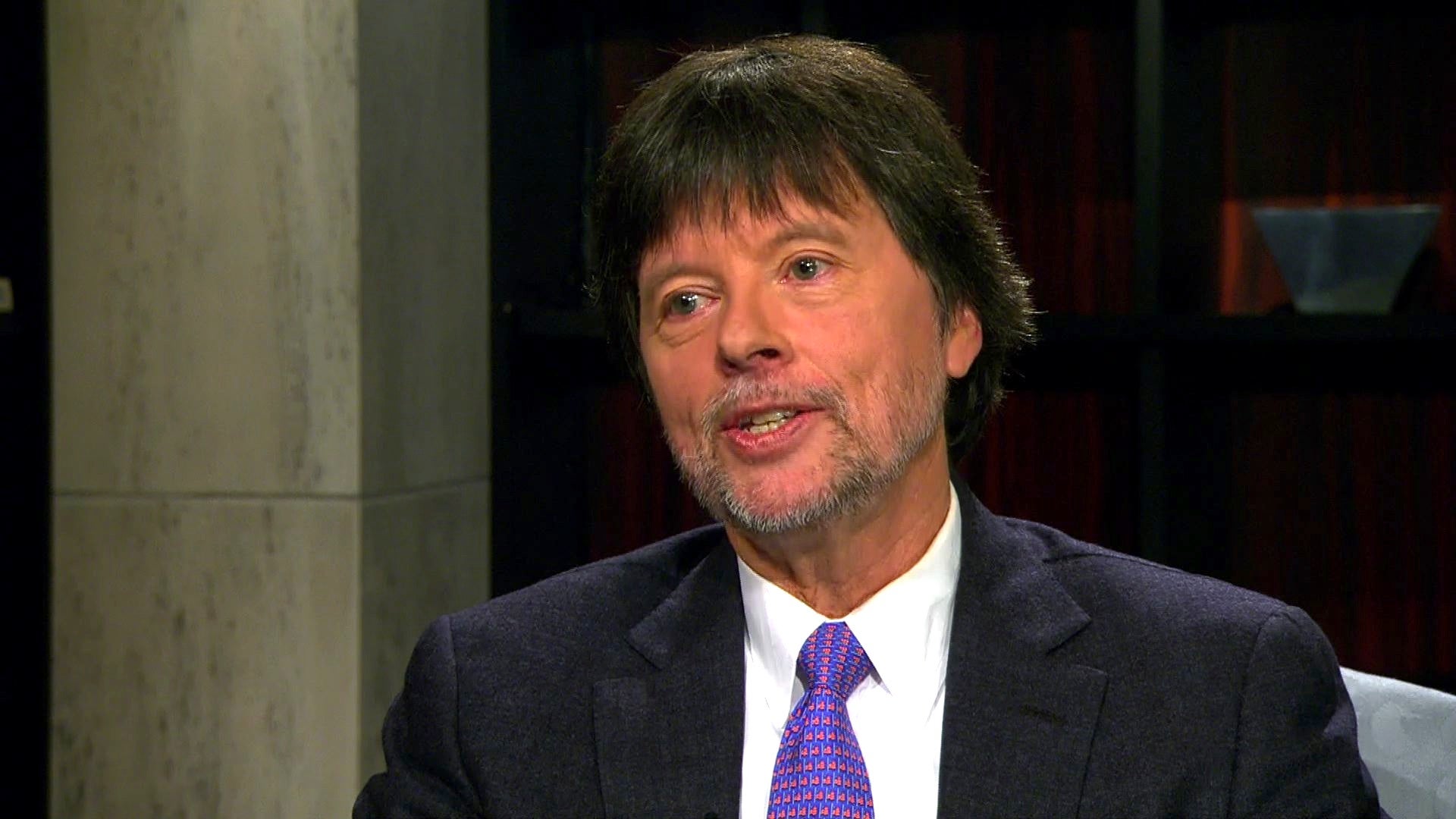
High-Quality Ken Burns’ Visions Of America Landscape Art
Explore this high-quality ken burns’ visions of america image, perfect for enhancing your desktop or mobile wallpaper.

Vivid Ken Burns’ Visions Of America Photo for Your Screen
Transform your screen with this vivid ken burns’ visions of america artwork, a true masterpiece of digital design.

Vivid Ken Burns’ Visions Of America Design for Your Screen
Explore this high-quality ken burns’ visions of america image, perfect for enhancing your desktop or mobile wallpaper.
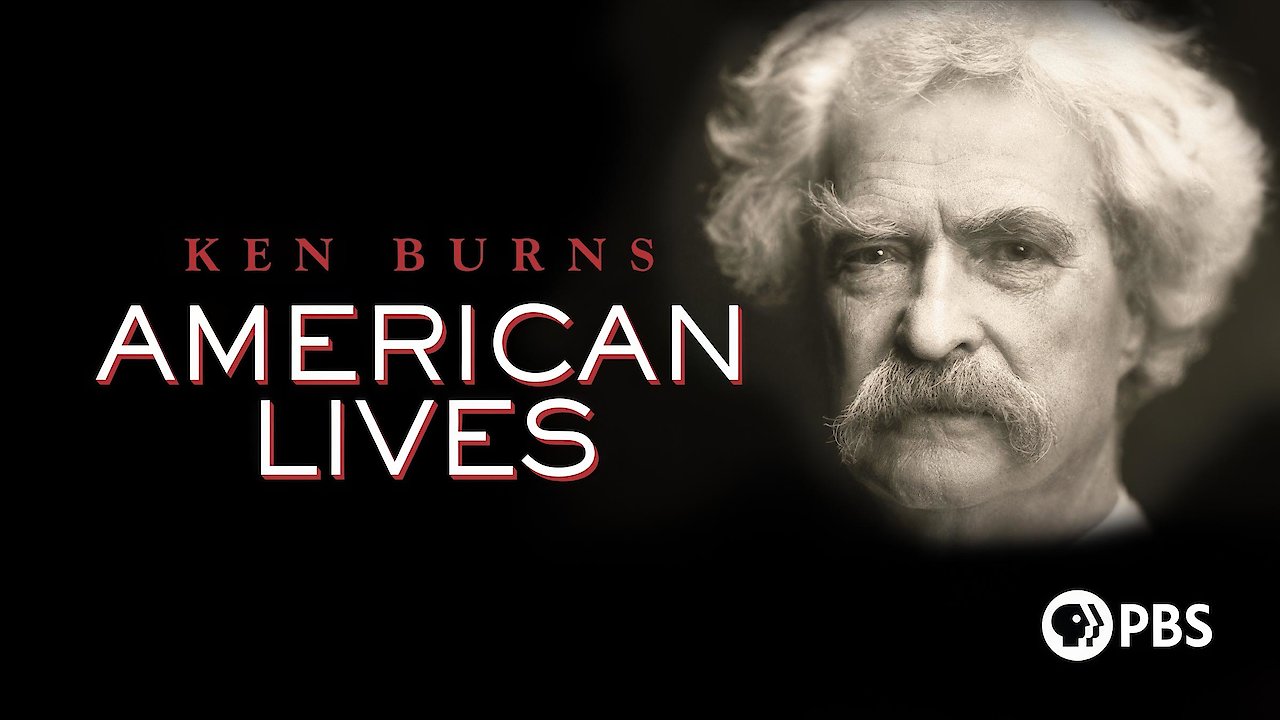
Artistic Ken Burns’ Visions Of America Wallpaper Photography
Immerse yourself in the stunning details of this beautiful ken burns’ visions of america wallpaper, designed for a captivating visual experience.

Beautiful Ken Burns’ Visions Of America Design Illustration
Explore this high-quality ken burns’ visions of america image, perfect for enhancing your desktop or mobile wallpaper.
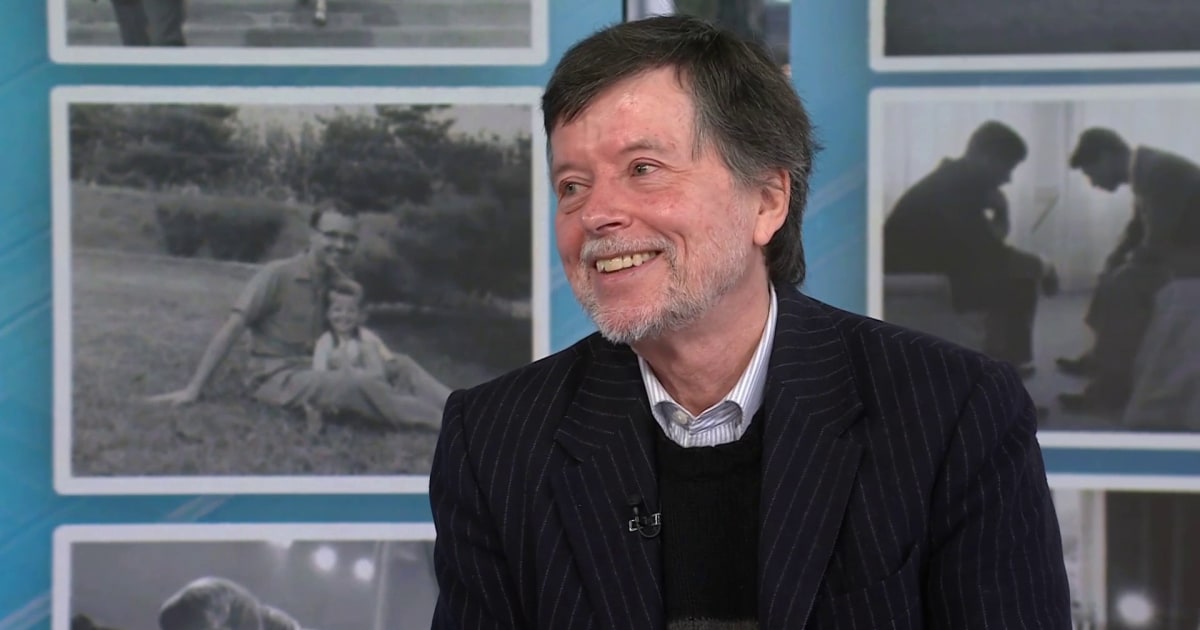
Beautiful Ken Burns’ Visions Of America Photo Illustration
Explore this high-quality ken burns’ visions of america image, perfect for enhancing your desktop or mobile wallpaper.
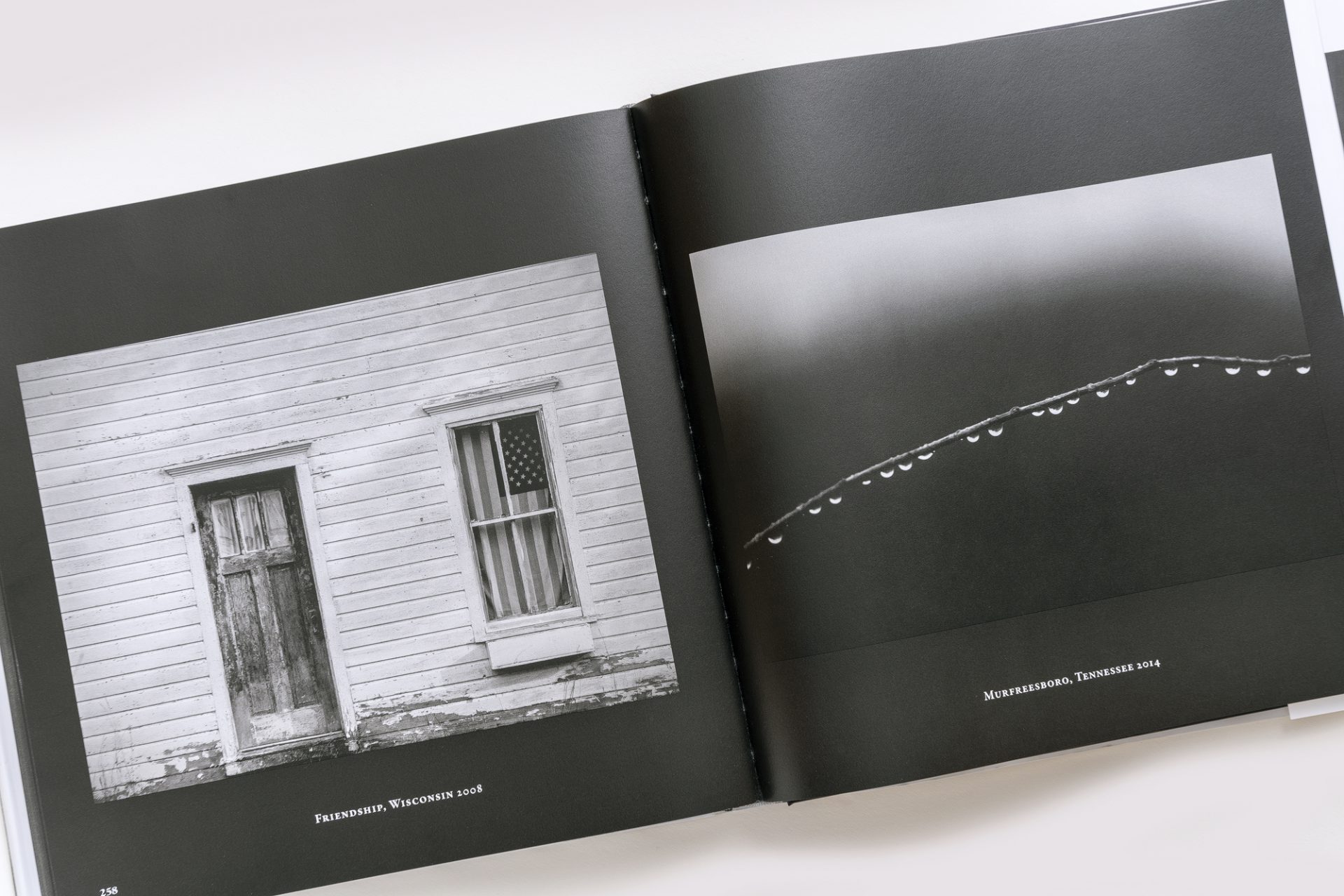
High-Quality Ken Burns’ Visions Of America Image in HD
Transform your screen with this vivid ken burns’ visions of america artwork, a true masterpiece of digital design.
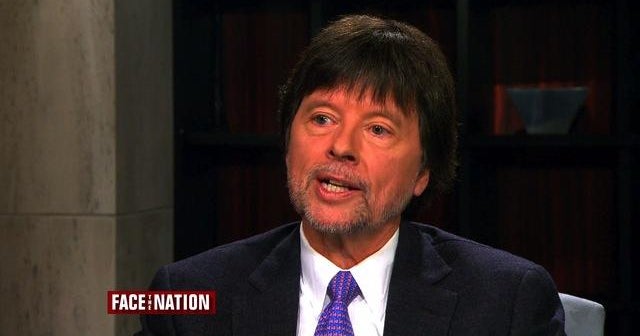
Dynamic Ken Burns’ Visions Of America Artwork Illustration
This gorgeous ken burns’ visions of america photo offers a breathtaking view, making it a perfect choice for your next wallpaper.
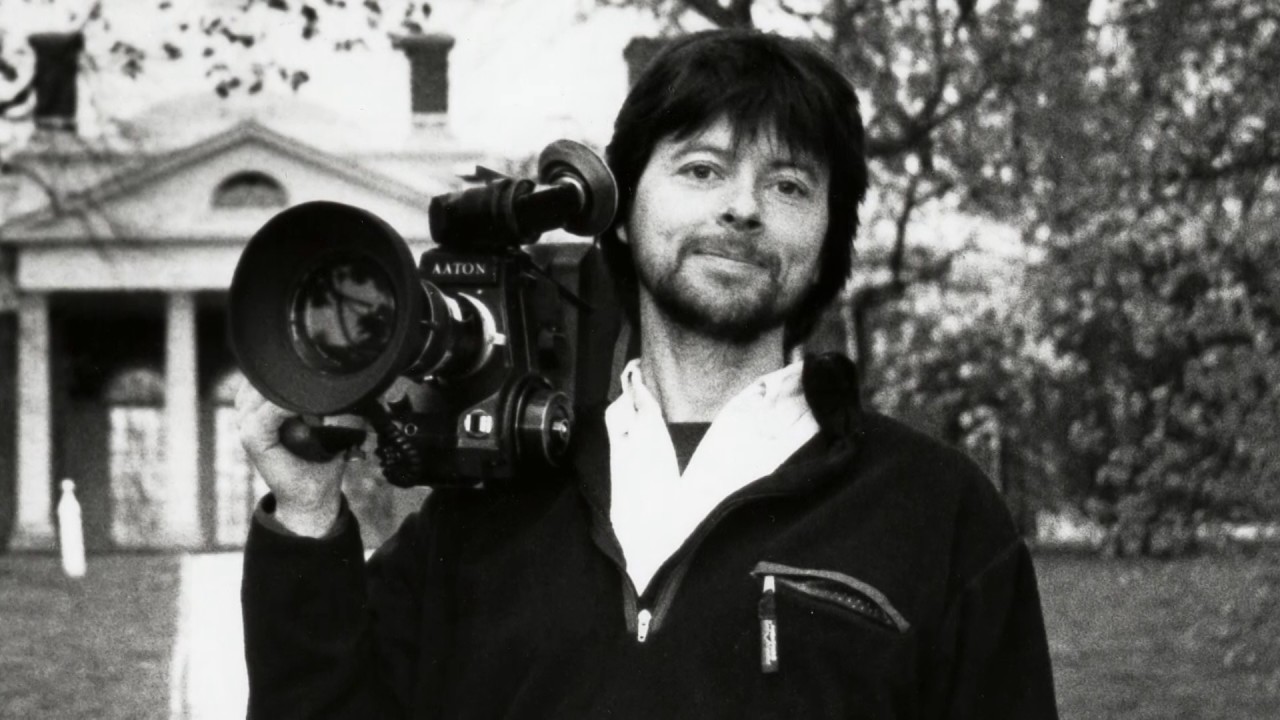
Lush Ken Burns’ Visions Of America Image for Mobile
A captivating ken burns’ visions of america scene that brings tranquility and beauty to any device.
Download these ken burns’ visions of america wallpapers for free and use them on your desktop or mobile devices.