Why do Earth's colors appear muted in new photos from Artemis II?
Why do Earth's colors appear muted in new photos from Artemis II?
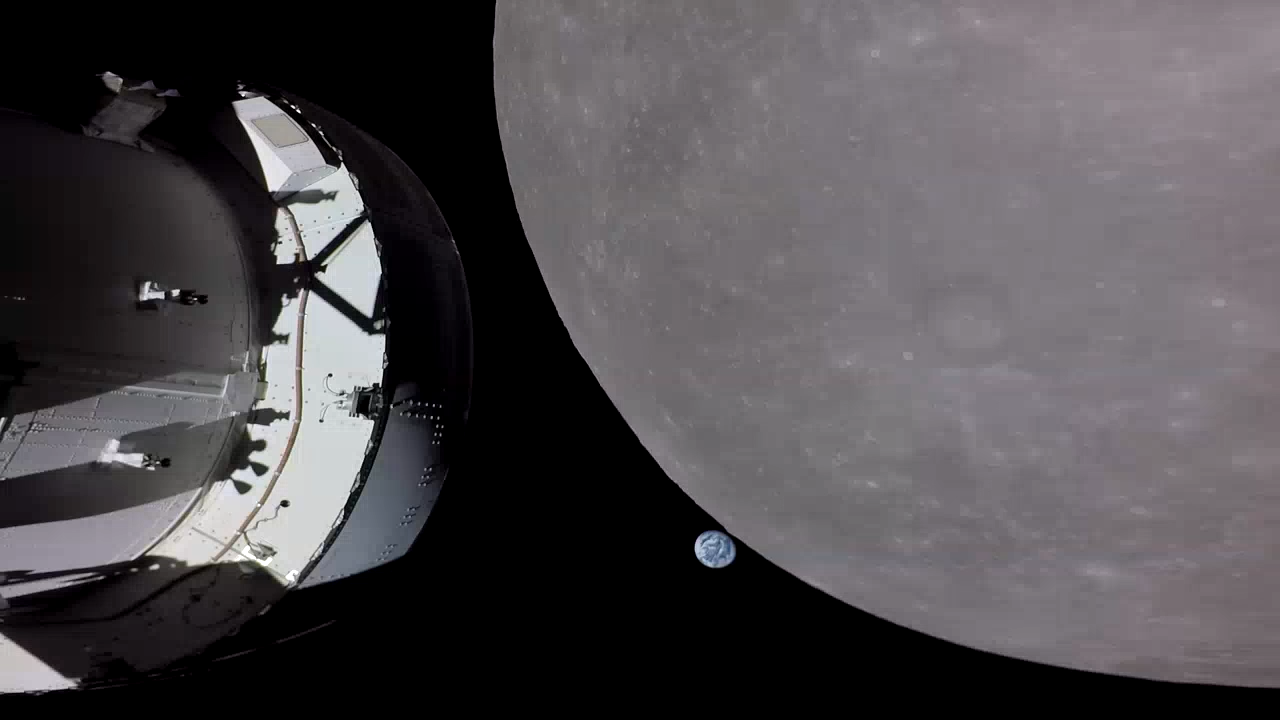
As humanity prepares to return to the lunar vicinity, the excitement surrounding NASA's Artemis II mission is reaching a fever pitch. With the Orion spacecraft slated to carry four astronauts around the Moon, the preliminary imagery and test shots released by NASA have sparked a fascinating debate among enthusiasts and experts alike. A common observation has emerged: Why do Earth's colors appear muted in new photos from Artemis II compared to the vibrant, high-saturation "Blue Marble" images we have grown accustomed to over the decades?
In the digital age, where smartphone filters and AI-enhanced photography dominate our visual consumption, the raw reality of deep space photography can be jarring. The perceived "dullness" of our planet from the perspective of the Orion capsule isn't a flaw in the mission's hardware. Instead, it is a complex intersection of physics, camera sensor technology, and the uncompromising nature of the lunar environment. This article delves deep into the scientific and technical reasons why Earth appears as a delicate, muted sapphire rather than a neon-bright orb in the latest Artemis mission data.
The Physics of Light and Atmospheric Scattering
To understand why Earth’s colors appear "muted" from the distance of the Artemis II trajectory, we must first understand how light behaves across the vast vacuum of space. On Earth, our atmosphere scatters sunlight in a way that often enhances certain colors—this is known as Rayleigh scattering, which gives us our blue skies. However, when viewing Earth from 240,000 miles away, the light reflected from our planet must travel through the vacuum of space before hitting the sensors of the Orion spacecraft.
The "muted" appearance is largely due to the lack of atmospheric contrast provided by a nearby observer. From deep space, the Earth is seen against the absolute, velvety blackness of the cosmos. This extreme contrast creates a phenomenon where the planet’s brightness is so intense that the camera’s sensors must be "stopped down" or underexposed to capture any detail at all. This reduction in exposure naturally leads to colors that appear less saturated to the human eye, which is used to seeing processed, high-vibrance images of our world.
Furthermore, the Earth is shrouded in a thick layer of atmosphere that reflects a significant amount of white light from clouds. From a distance, this white light often "washes out" the deep blues of the oceans and the rich greens of the continents, leading to a more pastel or muted palette. What we are seeing in the Artemis II photos is the true, unfiltered reflection of sunlight off a world that is nearly 70% covered in water and clouds.
Technical Specifications: Scientific Sensors vs. Commercial Cameras
One of the primary reasons for the visual difference in Artemis II photography lies in the hardware itself. The cameras onboard the Orion spacecraft are not off-the-shelf DSLRs designed to take "pretty" photos for social media. They are highly specialized scientific instruments designed for navigation, structural monitoring, and technical data collection.
These sensors are often calibrated for a high dynamic range (HDR) to ensure that both the bright surface of the Earth and the darker details of the spacecraft's hull can be seen in the same frame. When a camera is calibrated for scientific accuracy, it avoids "clipping" colors or artificially boosting saturation. The result is a "flat" or "muted" color profile that contains more raw data but looks less "exciting" than a processed image. This raw data is vital for engineers who need to analyze the thermal protection system or the deployment of solar arrays.
| Fitur/Aspek | Deskripsi |
|---|---|
| Sensor Type | Industrial-grade CMOS sensors optimized for radiation hardening and vacuum stability. |
| Color Calibration | Linear color response designed for scientific measurement rather than aesthetic appeal. |
| Exposure Control | Strictly controlled to prevent sensor blooming from the intense sun-lit Earth. |
| Post-Processing | Minimal to zero "beautification" to maintain the integrity of the mission data. |
| Atmospheric Effect | High albedo from cloud cover creates a "haze" effect that desaturates colors. |
Raw Data vs. Aesthetic Post-Processing: The NASA Standard
For decades, many of the iconic space images we've seen from NASA have undergone significant post-processing. Missions like the Hubble Space Telescope or the James Webb Space Telescope capture data in grayscale using various filters. To make these images understandable and visually appealing to the public, scientists assign colors to specific wavelengths of light. This is often called "representative color."
In the case of Artemis II, the images released in the early stages of the mission are often "raw" or "unprocessed" frames. In professional photography, raw files look flat and lack contrast. This is because they preserve the maximum amount of information in the highlights and shadows. NASA often releases these raw frames to the public as they come in, providing a "real-time" look at the mission. Because these frames haven't been "color-corrected" to match what a human eye might perceive from a closer distance, they appear significantly more muted than the iconic Apollo-era photos, many of which were captured on Ektachrome film—a medium known for its high contrast and vivid color reproduction.
The Contrast with the Apollo Era
It is important to note that the Apollo missions used film cameras, specifically Hasselblads. Film has a very different way of handling light and color compared to digital CMOS sensors. The chemicals in the film used during Apollo tended to "punch up" colors, particularly blues and whites, creating that legendary "marble" look. Transitioning to modern digital sensors means we are seeing a more "honest" representation of the planet's luminosity, even if it feels less "cinematic."
The Impact of Distance and the "Overview Effect"
The trajectory of Artemis II takes the spacecraft far beyond the Low Earth Orbit (LEO) where the International Space Station (ISS) resides. Most "vibrant" photos of Earth are taken from the ISS, which is only about 250 miles above the surface. At that proximity, the camera can capture the deep saturation of the Amazon rainforest or the turquoise waters of the Bahamas with incredible clarity.
As Artemis II moves toward the Moon, it reaches a distance where the Earth occupies a smaller and smaller portion of the field of view. The massive amount of reflected sunlight from the entire disk of the planet enters the lens simultaneously. This global "albedo" (reflectivity) is dominated by clouds and ice, which are essentially white. When 50% or more of the planet's visible surface is reflecting bright white light, the overall color balance shifts toward the desaturated end of the spectrum. This is a physical reality of viewing a planet from a deep-space perspective.
The Psychology of Space Photography
There is also a psychological component to our perception. We want the Earth to look like a vibrant home. Seeing it as a pale, muted orb reminds us of its fragility in the vastness of space—a core component of the "Overview Effect" described by astronauts. The muted colors reinforce the reality that Earth is a small, atmospheric-protected oasis in a harsh, dark environment. The lack of "filter-like" saturation makes the imagery more haunting and authentic.
Future Imaging: What to Expect from Artemis II and III
While the initial test photos may appear muted, NASA has confirmed that the Artemis II mission will carry advanced high-definition camera systems dedicated specifically to public engagement and outreach. These systems will be capable of capturing 4K and potentially 8K video. Once the mission is underway, we can expect a mix of two types of imagery:
- Technical Imagery: Muted, high-data-rate images used for engineering and safety.
- Public Outreach Imagery: Processed, color-corrected photos and videos that will more closely resemble the vibrant Earth we expect to see.
The difference lies entirely in the "pipeline" of the image. As the mission progresses, professional imaging teams at Johnson Space Center will likely apply color-grading techniques to the raw feeds to compensate for the desaturating effects of the vacuum and sensor flat-profiles, bringing back the "true-to-life" vibrance that reflects how the human eye would see Earth if an astronaut were looking out the window of the Orion capsule.
FAQ Section
Frequently Asked Questions
1. Are the Artemis II cameras lower quality than those on the ISS?
No, they are actually more advanced. However, they are designed for different purposes. ISS cameras are often high-end commercial DSLRs used by astronauts for hobbyist-style photography. Orion's cameras are integrated into the spacecraft for mission-critical monitoring and must withstand extreme radiation and temperature shifts, which affects their sensor design.
2. Why did the Apollo photos look so much more colorful?
Apollo photos were taken on physical film (Ektachrome). Film has inherent chemical properties that produce high contrast and saturated colors. Additionally, many Apollo photos were heavily color-corrected for print in magazines like National Geographic and LIFE.
3. Will the astronauts see muted colors with their own eyes?
To the human eye, Earth will still look incredibly bright and blue, but the intensity of the sun's reflection will be the most striking feature. Astronauts often describe the Earth as "glowing" or "luminous," which can sometimes overwhelm the perception of deep color, making it look more like a brilliant gemstone than a flat map.
Conclusion
The "muted" colors of Earth in new photos from Artemis II are not a sign of technological failure, but rather a testament to the raw, unvarnished reality of deep space exploration. Between the technical requirements of CMOS sensors, the physics of light scattering across 240,000 miles, and the high reflectivity of our atmosphere, the Earth presents itself as a delicate and subtle masterpiece rather than a high-saturation digital graphic.
As we move forward with the Artemis program, these images serve as a vital reminder of the distance we are traveling and the harsh environments our technology must survive. While we will eventually see the high-definition, color-corrected versions of these journeys, there is a unique beauty in the raw, muted frames—they show us our world exactly as it appears to the mechanical eyes of the brave new vessels carrying us back to the stars. In the quest for scientific truth, "muted" is often more accurate than "vivid," and in the case of Artemis II, it is the true color of our home in the deep dark of the void.
Why do Earth's colors appear muted in new photos from Artemis II?
Why do Earth's colors appear muted in new photos from Artemis II? Wallpapers
Collection of why do earth's colors appear muted in new photos from artemis ii? wallpapers for your desktop and mobile devices.

Exquisite Why Do Earth's Colors Appear Muted In New Photos From Artemis Ii? Background in 4K
This gorgeous why do earth's colors appear muted in new photos from artemis ii? photo offers a breathtaking view, making it a perfect choice for your next wallpaper.

Spectacular Why Do Earth's Colors Appear Muted In New Photos From Artemis Ii? Image Concept
This gorgeous why do earth's colors appear muted in new photos from artemis ii? photo offers a breathtaking view, making it a perfect choice for your next wallpaper.

Exquisite Why Do Earth's Colors Appear Muted In New Photos From Artemis Ii? View for Mobile
Find inspiration with this unique why do earth's colors appear muted in new photos from artemis ii? illustration, crafted to provide a fresh look for your background.

Stunning Why Do Earth's Colors Appear Muted In New Photos From Artemis Ii? Capture Photography
Immerse yourself in the stunning details of this beautiful why do earth's colors appear muted in new photos from artemis ii? wallpaper, designed for a captivating visual experience.
Beautiful Why Do Earth's Colors Appear Muted In New Photos From Artemis Ii? Background for Desktop
Experience the crisp clarity of this stunning why do earth's colors appear muted in new photos from artemis ii? image, available in high resolution for all your screens.

Crisp Why Do Earth's Colors Appear Muted In New Photos From Artemis Ii? View Digital Art
This gorgeous why do earth's colors appear muted in new photos from artemis ii? photo offers a breathtaking view, making it a perfect choice for your next wallpaper.

Stunning Why Do Earth's Colors Appear Muted In New Photos From Artemis Ii? Moment Nature
This gorgeous why do earth's colors appear muted in new photos from artemis ii? photo offers a breathtaking view, making it a perfect choice for your next wallpaper.
Artistic Why Do Earth's Colors Appear Muted In New Photos From Artemis Ii? Image Nature
Find inspiration with this unique why do earth's colors appear muted in new photos from artemis ii? illustration, crafted to provide a fresh look for your background.

Artistic Why Do Earth's Colors Appear Muted In New Photos From Artemis Ii? Capture Collection
This gorgeous why do earth's colors appear muted in new photos from artemis ii? photo offers a breathtaking view, making it a perfect choice for your next wallpaper.
Crisp Why Do Earth's Colors Appear Muted In New Photos From Artemis Ii? Abstract for Mobile
This gorgeous why do earth's colors appear muted in new photos from artemis ii? photo offers a breathtaking view, making it a perfect choice for your next wallpaper.

Spectacular Why Do Earth's Colors Appear Muted In New Photos From Artemis Ii? Background Digital Art
Find inspiration with this unique why do earth's colors appear muted in new photos from artemis ii? illustration, crafted to provide a fresh look for your background.

Beautiful Why Do Earth's Colors Appear Muted In New Photos From Artemis Ii? Artwork for Mobile
Explore this high-quality why do earth's colors appear muted in new photos from artemis ii? image, perfect for enhancing your desktop or mobile wallpaper.
Lush Why Do Earth's Colors Appear Muted In New Photos From Artemis Ii? View Digital Art
Find inspiration with this unique why do earth's colors appear muted in new photos from artemis ii? illustration, crafted to provide a fresh look for your background.
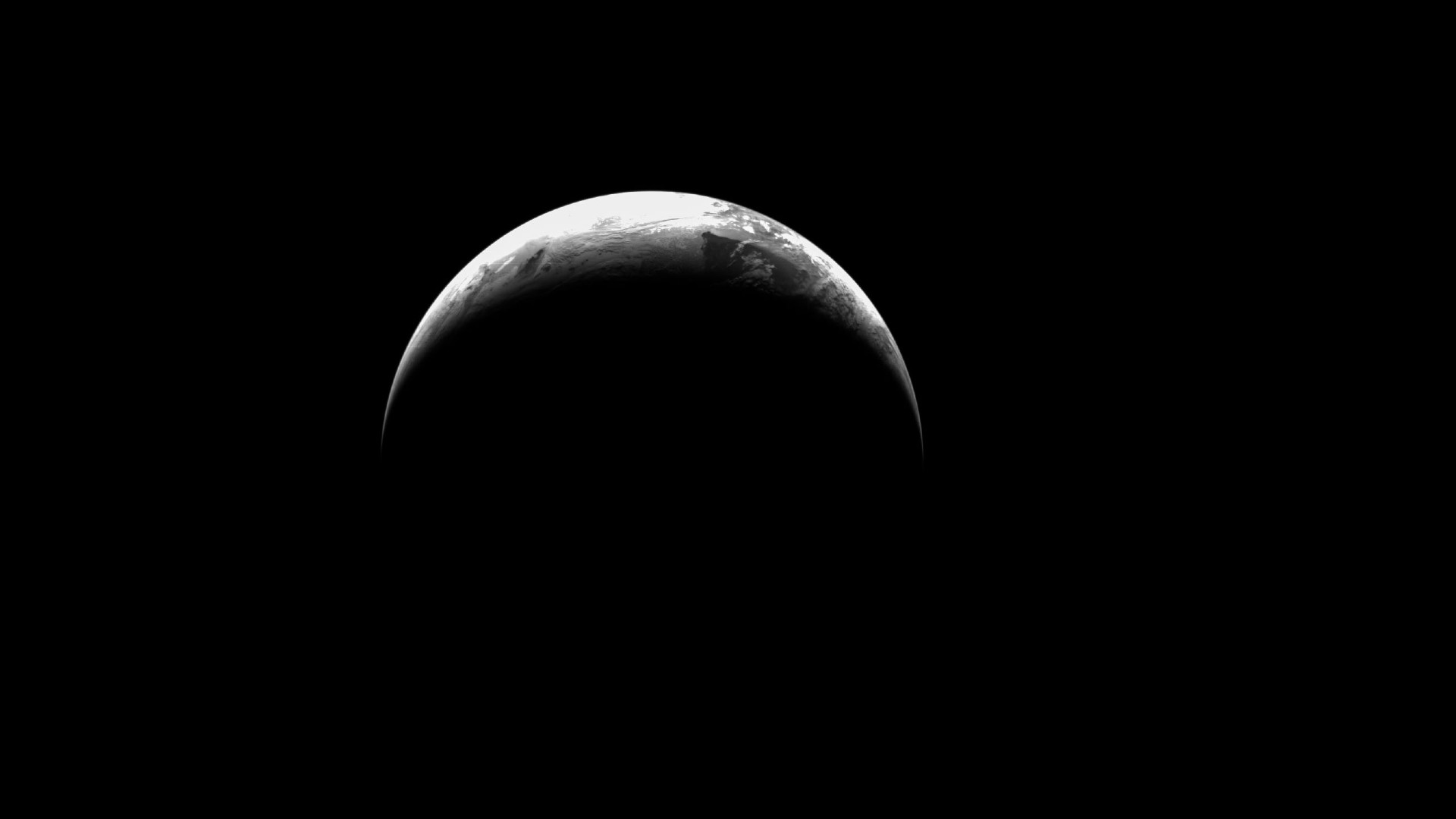
Stunning Why Do Earth's Colors Appear Muted In New Photos From Artemis Ii? Artwork Illustration
Find inspiration with this unique why do earth's colors appear muted in new photos from artemis ii? illustration, crafted to provide a fresh look for your background.

Mesmerizing Why Do Earth's Colors Appear Muted In New Photos From Artemis Ii? Picture for Mobile
Explore this high-quality why do earth's colors appear muted in new photos from artemis ii? image, perfect for enhancing your desktop or mobile wallpaper.

Beautiful Why Do Earth's Colors Appear Muted In New Photos From Artemis Ii? Abstract Digital Art
Discover an amazing why do earth's colors appear muted in new photos from artemis ii? background image, ideal for personalizing your devices with vibrant colors and intricate designs.

Beautiful Why Do Earth's Colors Appear Muted In New Photos From Artemis Ii? Background in HD
Experience the crisp clarity of this stunning why do earth's colors appear muted in new photos from artemis ii? image, available in high resolution for all your screens.

Mesmerizing Why Do Earth's Colors Appear Muted In New Photos From Artemis Ii? Capture for Mobile
Experience the crisp clarity of this stunning why do earth's colors appear muted in new photos from artemis ii? image, available in high resolution for all your screens.
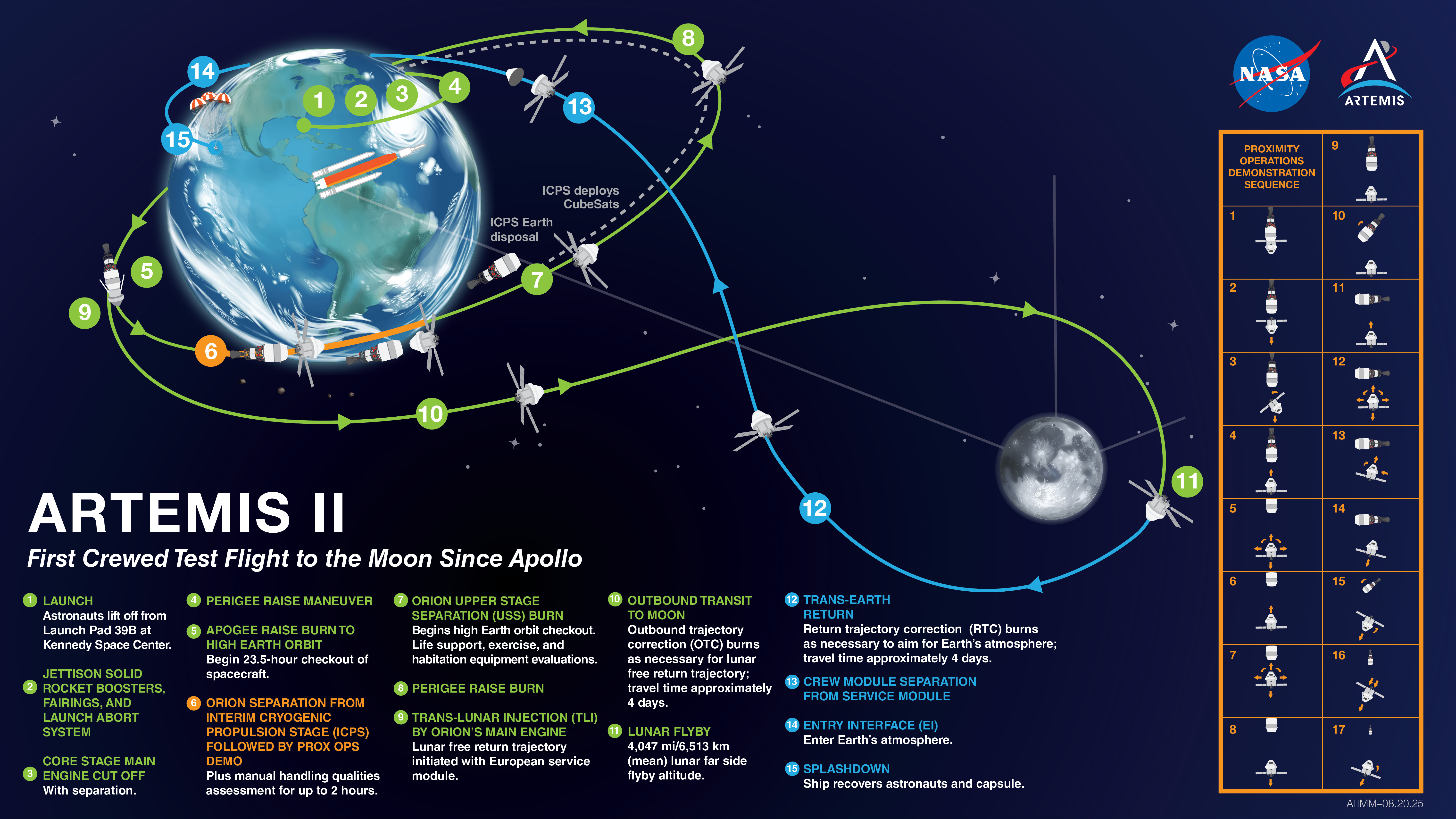
Amazing Why Do Earth's Colors Appear Muted In New Photos From Artemis Ii? Landscape Nature
Experience the crisp clarity of this stunning why do earth's colors appear muted in new photos from artemis ii? image, available in high resolution for all your screens.
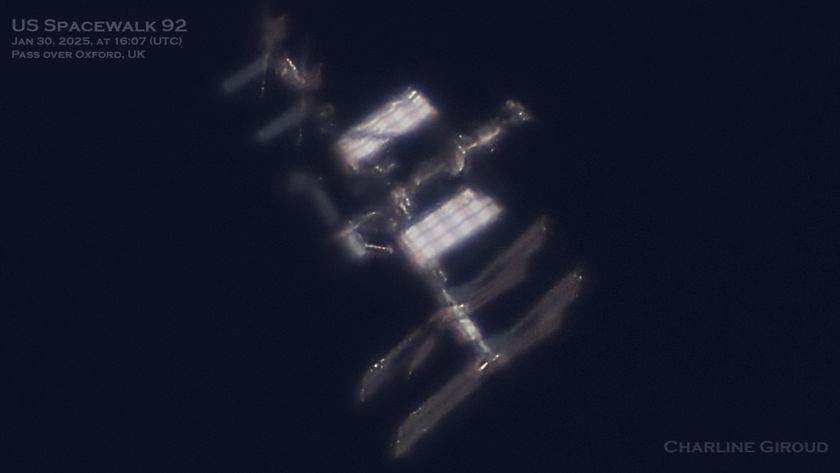
Dynamic Why Do Earth's Colors Appear Muted In New Photos From Artemis Ii? Artwork Illustration
Immerse yourself in the stunning details of this beautiful why do earth's colors appear muted in new photos from artemis ii? wallpaper, designed for a captivating visual experience.
Download these why do earth's colors appear muted in new photos from artemis ii? wallpapers for free and use them on your desktop or mobile devices.